
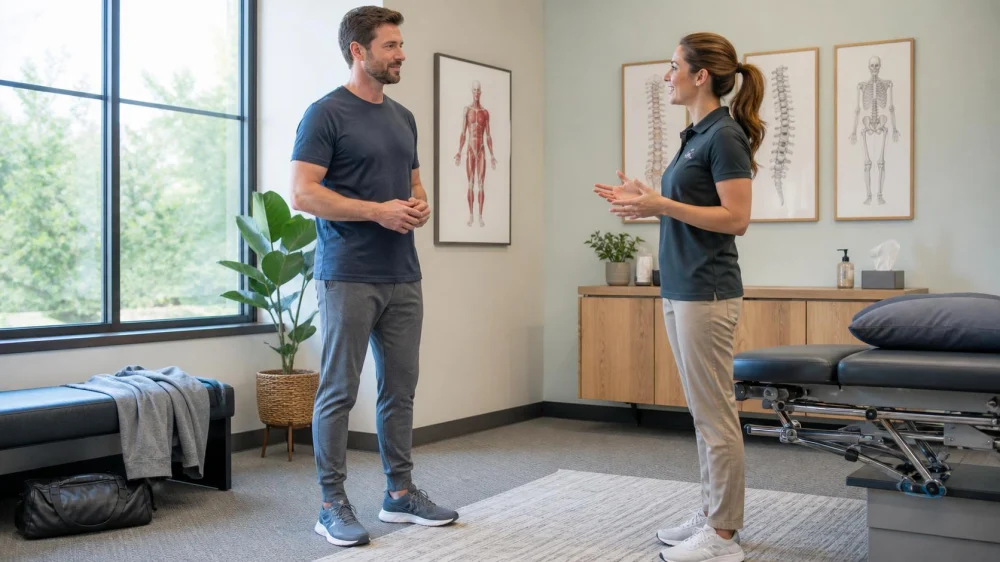
What to Wear to a Chiropractic Visit: Comfort and Access
On this page
Quick answer
Wear clean, flexible clothing that lets you sit, walk, bend, and raise your arms without restriction. Athletic pants or shorts and a comfortable shirt usually work well. Avoid bulky belts, hard buttons, heavy jewelry, and garments that hide movement or press into treatment surfaces. Bring braces, orthotics, and the shoes linked to your symptoms. Ask the clinic before changing clothes, and request privacy, a gown, draping, or a chaperone when needed.
Visit clothing should support examination and comfort without requiring unnecessary exposure. The right choice depends on the body area, planned services, mobility, culture, and personal boundaries.
Choose practical clothing
- stretch pants, joggers, or comfortable shorts;
- a shirt that allows shoulder and trunk movement;
- supportive everyday shoes that are easy to remove when requested;
- layers that can be adjusted for room temperature;
- undergarments that remain comfortable during movement.
For a first visit, call ahead and ask whether the appointment includes examination only, imaging, exercise, or possible manual care. Plans can change after assessment.
What to avoid
- rigid denim or very tight clothing that limits movement;
- skirts or dresses unless the clinic can provide appropriate draping or alternatives;
- large zippers, studs, buckles, belts, or thick wallet items;
- dangling jewelry and unsecured hair accessories;
- strong fragrance in a shared clinic;
- slippery socks for standing balance or exercise.
Do not remove medically required compression, braces, dressings, or devices without clinical guidance.
Special situations
Work injury: bring the footwear and protective equipment relevant to the task, but change out of contaminated clothing.
Running or sport concern: bring usual shoes, orthotics, and clean sport clothing for movement assessment.
Pregnancy, ostomy, insulin pump, implanted device, wound, or recent surgery: tell the clinic before the visit and ask how clothing and positioning will be handled.
Mobility or sensory needs: request extra changing time, accessible space, temperature accommodation, or a support person under clinic policy.
Privacy and consent
You can ask why access to an area is needed and what alternatives exist. Clothing should not be moved or removed without explanation and consent. Request a gown, drape, private changing area, clinician of a preferred gender when available, or chaperone. You may pause or decline a procedure, though the clinician should explain how that affects assessment.
What else to bring
- photo identification and insurance information when applicable;
- medication, surgery, injury, and diagnosis list;
- relevant imaging reports and visit summaries;
- braces, canes, orthotics, or devices you use;
- a short symptom timeline and questions.
Do not bring valuables when secure storage is unavailable.
Important notes
This is general visit-preparation information, not medical advice. Clinic policies and examinations vary. New weakness, bowel or bladder changes, major trauma, fever with spinal pain, chest pain, or stroke-like symptoms require medical triage rather than clothing preparation for routine care.
Evidence notes
The guidance reflects common clinical preparation: allow observation of movement, avoid hard objects, preserve privacy, and bring relevant equipment and records. The clinic is the primary source for its examination, gown, imaging, and chaperone policies.
FAQ
Can I wear jeans?
You can ask, but rigid jeans may limit movement and create pressure from seams or hardware.
Will I need to change?
Not always. Ask what the planned examination requires and what privacy options are available.
Should I wear my usual shoes?
Yes when gait, standing, or activity symptoms matter. Bring specialized shoes too.
Can I keep a brace on?
Tell the clinician and follow medical guidance; do not remove a prescribed device casually.
Can I request a chaperone?
Ask when scheduling. Availability and policy vary.
Next steps
Call the clinic, confirm planned activities, and choose clean flexible layers without bulky hardware. Pack relevant shoes, devices, and records. At the visit, ask for explanation, privacy, and consent before clothing is moved or an examination begins.

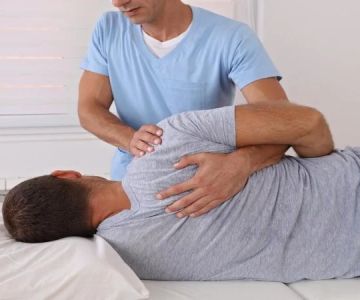

 Atlas Chiropractic of Denver4.0 (63 reviews)
 Karin Kim, DC0.0 (0 reviews)
 Dr. Gregori S. Pasqua, Chiropractor4.0 (19 reviews)
 Elevate Wellness5.0 (158 reviews)
 Serve Chiropractic, LLC0.0 (0 reviews)
 Ross L. Mckay, DC5.0 (2 reviews)
 Best Chiropractic Treatments for Chiropractic Insurance Coverage According to Experts
 Best Chiropractic Treatments for Headaches According to Experts
 How Chiropractic Adjustments Can Improve TMJ and Chiropractic
 The Connection Between Chiropractic Adjustments and Improved Mood
 How Chiropractic Adjustments Relieved My Chronic Groin Pain
 Chiropractic Care for Managing Symptoms of Stress and Tension: A Natural Path to Relief