
- 1. What is TMJ and How Can Chiropractic Help?
- 2. How Chiropractic Adjustments Address TMJ
- 3. Benefits of Chiropractic Adjustments for TMJ Relief
- 4. Real-Life Examples of TMJ Treatment Through Chiropractic
- 5. How to Start Chiropractic Treatment for TMJ
1. What is TMJ and How Can Chiropractic Help?
Temporomandibular Joint (TMJ) disorder refers to a range of conditions affecting the jaw and the muscles controlling its movements. People with TMJ often experience pain, clicking sounds, and difficulty moving their jaw, which can interfere with everyday activities such as speaking and eating. The disorder may result from stress, poor posture, teeth grinding, or injury, and its symptoms can range from mild discomfort to intense pain.
Chiropractic care has been shown to be a highly effective treatment for TMJ, focusing on correcting misalignments in the spine and jaw that may contribute to the disorder. By targeting the root cause of the problem, chiropractic adjustments help reduce pain, improve jaw mobility, and restore proper function to the jaw muscles and joints.
2. How Chiropractic Adjustments Address TMJ
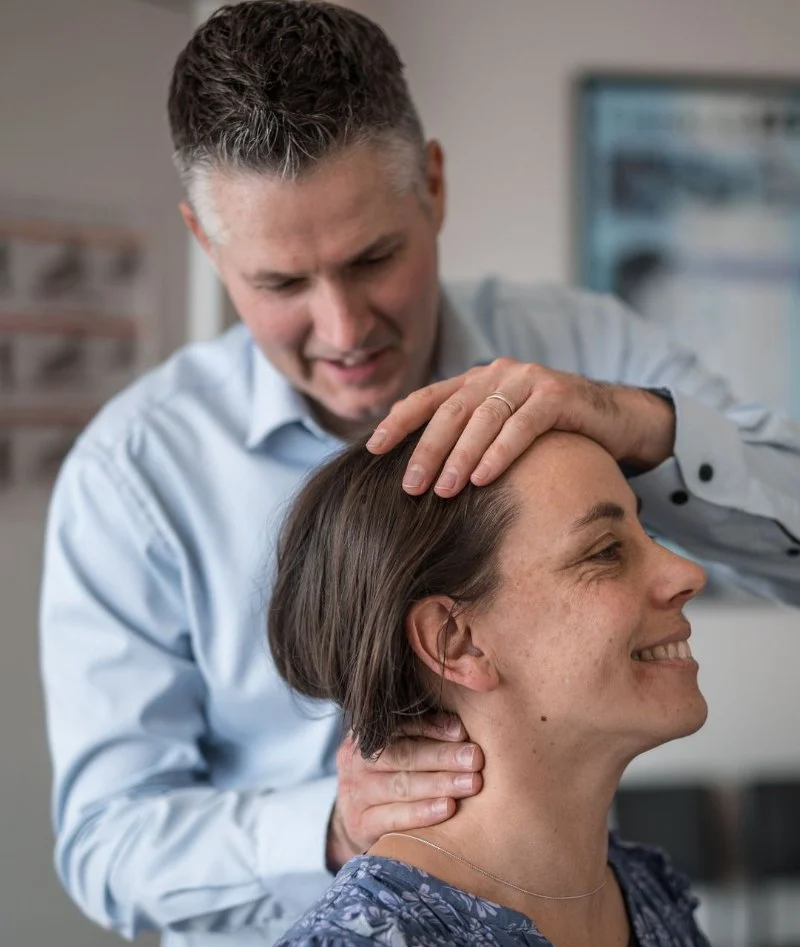
Chiropractic adjustments for TMJ focus on realigning the spine, neck, and jaw to relieve pressure on the temporomandibular joint. Chiropractors use gentle, controlled spinal manipulations to restore proper alignment to the jaw and the surrounding muscles. These adjustments can significantly reduce the pain and discomfort associated with TMJ disorders.
One of the key areas that chiropractors target is the cervical spine (neck). Misalignments in the neck can lead to increased muscle tension in the jaw, which contributes to TMJ pain. By adjusting the cervical spine, chiropractors relieve pressure in the neck, which helps reduce stress on the jaw muscles.
In addition to spinal adjustments, chiropractors may also use specific techniques, such as soft tissue therapy and jaw mobilization, to treat the muscles around the jaw. These techniques help improve blood flow, reduce inflammation, and promote muscle relaxation, which aids in the healing process of the temporomandibular joint.
3. Benefits of Chiropractic Adjustments for TMJ Relief
Chiropractic care offers a variety of benefits for individuals suffering from TMJ disorders. Here are some of the main advantages:
- Pain Relief: Chiropractic adjustments help alleviate jaw pain and reduce muscle tension around the jaw, providing lasting relief from TMJ discomfort.
- Improved Mobility: By realigning the jaw and spine, chiropractic care restores proper jaw movement, allowing patients to open their mouths wider and chew more comfortably.
- Reduction in Headaches: Many individuals with TMJ also suffer from frequent headaches. Chiropractic care addresses the underlying causes of these headaches by relieving pressure and improving posture.
- Non-Invasive Treatment: Unlike surgical procedures or medication, chiropractic care is a natural and non-invasive treatment option that avoids the risks and side effects of more aggressive treatments.
- Prevention of Further Damage: By correcting misalignments and improving jaw function, chiropractic adjustments can help prevent further degeneration of the TMJ and reduce the likelihood of future flare-ups.
4. Real-Life Examples of TMJ Treatment Through Chiropractic
Many individuals have found relief from TMJ pain and discomfort through chiropractic care. Here are a few real-life examples of how chiropractic treatments can improve TMJ symptoms:
- Case 1: Sarah, a 35-year-old woman, had been experiencing chronic jaw pain, headaches, and difficulty chewing for several years. After visiting a chiropractor, she received spinal adjustments and jaw mobilization therapy. Over the course of a few weeks, her symptoms significantly improved, and she was able to eat without pain.
- Case 2: John, a 42-year-old man, suffered from frequent neck pain that led to increased jaw tension and TMJ issues. His chiropractor focused on adjusting his cervical spine and performing soft tissue therapy. Within a month, John reported a noticeable reduction in jaw pain and better range of motion in his neck.
- Case 3: Emily, a 50-year-old office worker, had developed TMJ symptoms due to poor posture and stress. After a series of chiropractic adjustments targeting her neck and jaw, Emily experienced significant relief from headaches, jaw tightness, and muscle tension.
5. How to Start Chiropractic Treatment for TMJ
If you're experiencing TMJ symptoms and are considering chiropractic care, here’s how to get started:
- Consult a Chiropractor: Begin by scheduling an appointment with a chiropractor who specializes in TMJ disorders. They will perform an initial assessment, which may include an examination of your posture, spine, and jaw.
- Understand the Treatment Plan: Your chiropractor will develop a personalized treatment plan tailored to your specific needs. This may include spinal adjustments, jaw mobilization, and soft tissue therapy.
- Commit to Consistency: Chiropractic treatment for TMJ typically requires multiple sessions to see significant results. Be patient and follow your chiropractor's recommendations for the best outcomes.
- Incorporate Self-Care: In addition to chiropractic treatments, your chiropractor may suggest exercises or lifestyle changes to help manage stress and improve posture, which can further alleviate TMJ symptoms.
Chiropractic care offers a holistic approach to treating TMJ disorders, addressing the root cause of the pain while providing long-term relief. If you're suffering from TMJ symptoms, consider visiting ChiroScope to find a chiropractor who can help you restore balance and function to your jaw.






 Jonathan Nou, DC0.0 (0 reviews)
 Taffuri Integrated Wellness Centers5.0 (48 reviews)
 Functional Health Centers of Prosper5.0 (96 reviews)
 Foundation Chiropractic5.0 (7 reviews)
 NeuroActive Health5.0 (5 reviews)
 Anodyne of South Denver4.0 (30 reviews)
 How to Relieve Pain with Chiropractic Techniques Without Medication – Chiropractor Approved
 How Chiropractic Adjustments Can Improve Natural Pain Relief
 10 Things You Should Know About Chiropractic Adjustment
 10 Things You Should Know About Chiropractic Side Effects
 Chiropractic Solutions for Managing Neck and Shoulder Pain | ChiroScope
 Is Back Pain Relief Affecting Your Daily Life? Here's How a Chiropractor Can Help