
- 1. What is Spinal Alignment and Why Is It Important?
- 2. Common Spinal Alignment Issues and Their Symptoms
- 3. Chiropractor-Approved Techniques to Relieve Spinal Alignment Issues
- 4. Lifestyle Changes to Support Healthy Spinal Alignment
- 5. Real-Life Stories of Spinal Relief Without Medication
- 6. How to Choose a Chiropractor for Spinal Health
- 7. Why ChiroScope is Your Go-To for Spinal Health Solutions
1. What is Spinal Alignment and Why Is It Important?
Spinal alignment refers to the proper positioning of the spine’s vertebrae, which should align in a natural, straight line when viewed from the back or side. Maintaining good spinal alignment is crucial for overall health as it directly impacts your posture, nervous system function, and overall mobility. Misalignment can lead to pain, discomfort, and even long-term health issues, including poor digestion, nerve compression, and muscle tension.
Understanding spinal alignment is key to addressing and preventing these issues. Chiropractors often focus on realigning the spine to restore balance and alleviate pain without relying on medication. In this article, we'll explore how you can relieve spinal alignment issues naturally, with techniques endorsed by chiropractic professionals.
2. Common Spinal Alignment Issues and Their Symptoms
Misalignment in the spine can manifest in a variety of ways, and different types of misalignments can cause specific symptoms. Here are a few common issues:
- Scoliosis: A sideways curvature of the spine often visible in childhood or adolescence, leading to uneven shoulders or hips and back pain.
- Lordosis: Excessive inward curvature of the lower back, which can cause discomfort and put pressure on the spine’s discs.
- Kypnosis: Abnormal forward rounding of the upper back that leads to a hunched posture, stiffness, and pain in the neck or upper back.
- Forward Head Posture: This occurs when the head is positioned too far forward, typically due to poor posture from looking down at screens or poor ergonomics. It can result in neck, shoulder, and back pain.
If you experience any of these symptoms, it may be time to explore non-medication treatments to restore your spinal alignment and improve your quality of life.
3. Chiropractor-Approved Techniques to Relieve Spinal Alignment Issues
Chiropractors use a range of techniques to correct spinal misalignment and improve posture. Below are some effective chiropractor-approved methods to relieve spinal alignment issues:
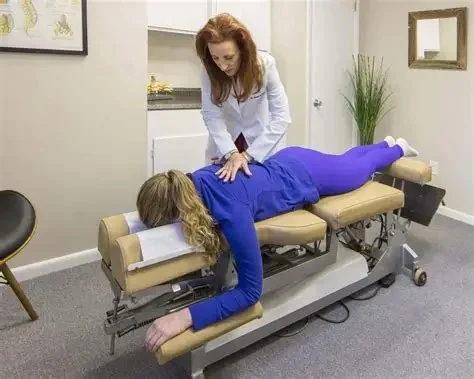
- Spinal Adjustments: Chiropractors often perform spinal adjustments, also known as spinal manipulations, to realign vertebrae. This technique helps to reduce pain, improve mobility, and restore proper alignment.
- Stretching and Strengthening Exercises: Specific exercises that target the muscles surrounding the spine can help support proper alignment and prevent further misalignments. These exercises can strengthen weak muscles, stretch tight ones, and improve flexibility.
- Posture Correction: A chiropractor can teach you how to adjust your posture in daily activities, which helps maintain spinal alignment. Proper posture can prevent strain on the spine and reduce the risk of developing alignment problems.
- Massage Therapy: Chiropractic massage therapy can alleviate muscle tension, reduce pain, and improve circulation, all of which are beneficial for spinal health. Therapeutic massage helps relieve muscle tightness that may be contributing to spinal misalignment.
These non-invasive, drug-free methods focus on correcting the root cause of misalignment rather than simply masking the pain. A chiropractor will tailor a treatment plan specific to your needs, helping you regain balance and ease discomfort naturally.
4. Lifestyle Changes to Support Healthy Spinal Alignment
Beyond chiropractic treatments, certain lifestyle changes can greatly support spinal health. Here are some daily habits to incorporate into your routine to maintain optimal spinal alignment:
- Ergonomics: Ensure that your workspace, whether at a desk or standing, is ergonomically friendly. Adjust your chair, computer screen, and keyboard to reduce strain on your neck and back.
- Stay Active: Regular physical activity, such as walking, swimming, or yoga, can keep your spine strong and flexible. Avoid prolonged sitting or standing in one position for too long.
- Sleep on a Good Mattress: The quality of your mattress can impact your spinal alignment while you sleep. Choose a mattress that offers adequate support and alignment for your back.
- Maintain a Healthy Weight: Excess weight can put additional strain on your spine. A balanced diet and regular exercise can help you maintain an ideal weight and reduce pressure on the spine.
By making small, sustainable changes to your daily habits, you can improve spinal health and reduce the likelihood of misalignment in the future.
5. Real-Life Stories of Spinal Relief Without Medication
Many individuals have found significant relief from spinal issues without relying on medication. Here are a couple of real-life cases where people improved their spinal health through chiropractic care and lifestyle changes:
Case 1: Sarah, a 45-year-old office worker, had been experiencing chronic neck and back pain due to long hours spent sitting at her desk. After a few chiropractic adjustments and implementing ergonomic changes at work, she noticed a significant reduction in pain and an improvement in her posture.
Case 2: Mark, a 55-year-old runner, developed lower back pain from misalignment caused by overuse. His chiropractor recommended a combination of spinal adjustments, stretching exercises, and strength training. Within weeks, Mark’s back pain was greatly reduced, and he was able to resume his regular running routine without discomfort.
These stories highlight the effectiveness of non-medication treatments in addressing spinal misalignments and alleviating pain. Many people have successfully improved their spinal health through a natural, holistic approach.
6. How to Choose a Chiropractor for Spinal Health
When seeking a chiropractor for spinal health, it’s essential to choose a licensed and experienced professional. Look for a chiropractor who:
- Has good reviews and testimonials from previous patients.
- Specializes in spinal adjustments and posture correction.
- Provides a tailored treatment plan that aligns with your specific needs.
- Uses a holistic, non-invasive approach to care.
Take the time to consult with a chiropractor, ask questions about their methods, and ensure that you feel comfortable with their approach before committing to a treatment plan.
7. Why ChiroScope is Your Go-To for Spinal Health Solutions
If you're looking for professional spinal care, ChiroScope offers expert chiropractic services to help you relieve spinal misalignment naturally. Our experienced chiropractors provide personalized care that focuses on improving your spinal health and overall well-being. We specialize in spinal adjustments, posture correction, and non-invasive treatments designed to reduce pain and enhance mobility.
Visit our website to learn more about how we can help you achieve optimal spinal alignment and live pain-free.






 Integrity Family Chiropractic5.0 (49 reviews)
 Cliffside Park Chiro LLC5.0 (1 reviews)
 Body & Spine Solutions4.0 (152 reviews)
 Spine By Design Chiropractic Center5.0 (108 reviews)
 St. Augustine Spine Center5.0 (51 reviews)
 Mandel Chiropractic and Wellness Center4.0 (8 reviews)
 The Science Behind Chiropractic and Ergonomics and Spinal Health Relief | ChiroScope
 Can Chiropractic Care Solve Your Chiropractic and Sleep Problem?
 The Science Behind Chiropractic and Chiropractic for Athletes Relief
 The Link Between Chiropractic Care and Better Sleep Quality: How Chiropractic Treatments Can Improve Your Sleep
 Understanding the Benefits of Pediatric Chiropractic Care for Children
 How Chiropractors Help with Vertigo and Balance Disorders: Solutions for Better Health