
- 1 - What Is Sciatica?
- 2 - What Causes Sciatica?
- 3 - Common Symptoms of Sciatica
- 4 - How Chiropractors Treat Sciatica
- 5 - Other Treatment Options for Sciatica
1. What Is Sciatica?
Sciatica is a condition that refers to pain, numbness, or tingling that radiates along the path of the sciatic nerve. The sciatic nerve runs from the lower back, through the hips, buttocks, and down each leg. It typically affects one side of the body. Sciatica is not a medical condition itself, but a symptom of an underlying medical issue, often a herniated disc or bone spur pressing on the nerve.
2. What Causes Sciatica?
There are several potential causes of sciatica, with the most common being pressure on the sciatic nerve due to a variety of conditions. These include:
- Herniated Disc: When a disc in the spine slips or bulges, it can compress the sciatic nerve, leading to pain.
- Degenerative Disc Disease: Age-related changes in the spine can cause the discs to wear down and put pressure on the nerve.
- Spondylolisthesis: This occurs when one vertebra slips over another, causing compression of the nerve.
- Spinal Stenosis: Narrowing of the spinal column can pinch the sciatic nerve, leading to pain and discomfort.
- Muscle Spasms: Tight muscles in the lower back or hips may irritate the sciatic nerve, causing pain.
3. Common Symptoms of Sciatica
The symptoms of sciatica can vary depending on the severity of the condition, but common symptoms include:
- Pain: The most common symptom is a sharp, burning pain that travels along the path of the sciatic nerve, often starting in the lower back and radiating down one leg.
- Numbness: You may experience a feeling of numbness or weakness in the affected leg.
- Tingling or "Pins and Needles": Some people with sciatica report a tingling sensation in the leg or foot.
- Difficulty Moving: In more severe cases, sciatica can make it difficult to move or stand up straight due to the intense pain or discomfort.
4. How Chiropractors Treat Sciatica
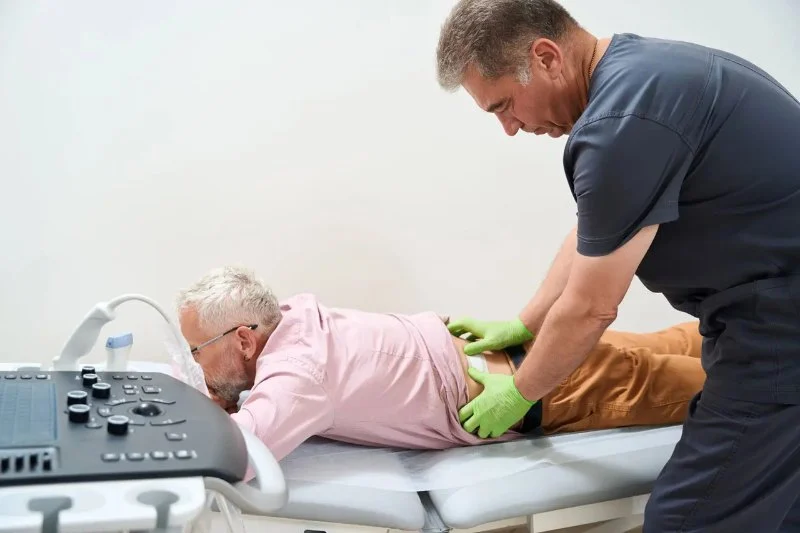
Chiropractors are well-equipped to help treat sciatica through non-invasive, drug-free methods. Here are a few ways chiropractors treat sciatica:
- Spinal Manipulation: Chiropractors use spinal adjustments to realign the spine, which can alleviate pressure on the sciatic nerve caused by misalignments or herniated discs.
- Stretching Exercises: Chiropractors may recommend specific exercises to stretch and strengthen the lower back and hip muscles, which can reduce pressure on the sciatic nerve.
- Massage Therapy: Soft tissue massage can help reduce muscle tension and promote better circulation, which may alleviate some of the discomfort associated with sciatica.
- Cold and Heat Therapy: Chiropractors may use hot or cold compresses to relieve inflammation and muscle spasms, which can help with sciatica pain.
Many patients with sciatica experience significant relief from chiropractic care. Regular visits can also prevent the condition from recurring by addressing underlying issues with posture and spinal alignment.
5. Other Treatment Options for Sciatica
In addition to chiropractic care, several other treatments can help alleviate sciatica symptoms, including:
- Physical Therapy: A physical therapist can teach you exercises to strengthen your core and improve flexibility, which can help relieve pressure on the sciatic nerve.
- Medications: Over-the-counter pain medications, such as ibuprofen or acetaminophen, can help manage the pain. For more severe cases, a doctor may prescribe muscle relaxants or nerve pain medications.
- Surgery: If other treatments fail, and the pain is debilitating, surgery may be considered to remove the herniated disc or correct other spinal problems that are causing the sciatica.
- Lifestyle Changes: Maintaining a healthy weight, practicing good posture, and avoiding prolonged sitting can help prevent or reduce sciatica pain.
It’s important to consult with a healthcare professional to determine the best course of treatment for your specific condition.






 Lebanon Chiropractic & Fitness4.0 (75 reviews)
 John Rubino, DC5.0 (2 reviews)
 Stuart T. Martin, D.C.5.0 (5 reviews)
 Gates Chiropractic Office5.0 (25 reviews)
 East Allen Chiropractic Center5.0 (13 reviews)
 Y-Strap Doc Tampa4.0 (139 reviews)
 Chiropractic vs Physical Therapy: Which Is Better for Your Spine?
 The Link Between Chiropractic Care and Better Sleep Quality: How Chiropractic Treatments Can Improve Your Sleep
 Can Chiropractic Help in Managing Symptoms of Fibromyalgia?
 How Chiropractic Treatment Can Help With Stress-Induced Conditions
 Top Questions About Frozen Shoulder Relief Answered by Chiropractors
 Chiropractic Adjustments for Releasing Tension and Promoting Relaxation