

- Understanding-Chiropractic-and-Osteopathic-Manual-Medicine
- History-and-Philosophy-of-Chiropractic-Care
- History-and-Approach-of-Osteopathic-Manual-Medicine
- Key-Differences-Between-Chiropractic-and-Osteopathic-Manual-Medicine
- Comparing-Treatment-Techniques-and-Methods
- Conditions-That-May-Benefit-From-Each-Approach
- How-to-Choose-Between-Chiropractic-and-Osteopathic-Care
- Modern-Manual-Medicine-and-ChiroScope-Health-Solutions
Understanding Chiropractic and Osteopathic Manual Medicine
Many people searching for natural approaches to pain relief eventually ask an important question: What is the difference between chiropractic and osteopathic manual medicine? Both fields focus on the relationship between the body's structure and function, and both commonly use hands-on techniques to address musculoskeletal problems.
Because the two approaches often look similar from the outside, it is easy to confuse them. A person experiencing back pain, neck stiffness, sports injuries, or movement limitations may hear recommendations for either chiropractic care or osteopathic manual medicine without fully understanding how they differ.
The main difference is not simply the techniques used during a treatment session. The distinction comes from their historical foundations, education models, clinical philosophies, and the way practitioners evaluate the entire body.
Both approaches have evolved significantly over time. Modern practitioners often combine traditional concepts with current research on biomechanics, rehabilitation, and patient-centered care.
Why People Confuse These Two Health Approaches
The confusion usually happens because chiropractors and osteopathic practitioners may both use manual techniques such as joint mobilization, soft tissue work, and movement assessments.
For example, someone with recurring lower back pain might visit a chiropractor who evaluates spinal movement and performs adjustments. Another person with the same complaint might visit an osteopathic physician who examines posture, muscle balance, joint mobility, and overall health patterns.
The goals may overlap, but the pathway to reaching those goals can be different.
History and Philosophy of Chiropractic Care
Chiropractic care began in the United States in the late 19th century. The profession was founded around the idea that proper alignment and movement of the spine can influence nervous system function and overall health.
Modern chiropractic has expanded beyond its early roots and now includes a wide range of evidence-informed approaches focused mainly on the musculoskeletal system.
The Main Focus of Chiropractic Treatment
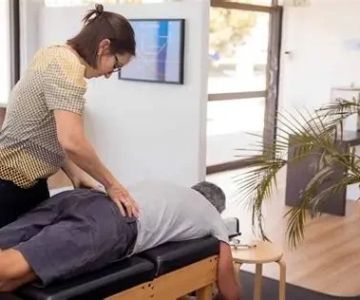
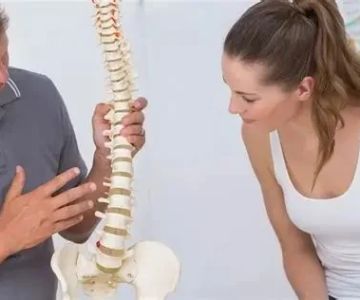
Chiropractors typically focus on the relationship between the spine, joints, muscles, and nervous system. They often assess how restricted movement or mechanical stress may contribute to discomfort.
A typical chiropractic evaluation may include:
- Posture assessment
- Spinal movement evaluation
- Joint mobility testing
- Muscle and soft tissue examination
- Discussion of lifestyle and movement habits
Treatment plans may involve spinal manipulation, mobilization techniques, exercise recommendations, and ergonomic advice.
How Chiropractic Care Has Changed Over Time
Chiropractic care today is much broader than the simple idea of a spinal adjustment. Many chiropractors incorporate rehabilitation exercises, stretching programs, injury prevention strategies, and lifestyle recommendations.
A common example is an office worker experiencing chronic neck tension. Instead of only addressing the immediate discomfort, many modern chiropractors evaluate desk posture, movement patterns, muscle strength, and daily habits that may contribute to the problem.
History and Approach of Osteopathic Manual Medicine
Osteopathic medicine was also developed in the United States, beginning in the late 19th century. It was created with the belief that the body functions as an interconnected system and that improving structure and mobility can support natural healing processes.
Today, osteopathic physicians are fully licensed medical doctors in the United States who receive additional training in osteopathic principles and practices.
The Whole-Body Perspective of Osteopathic Care
One of the defining ideas behind osteopathic manual medicine is that the body should be evaluated as a complete system rather than focusing only on one painful area.
An osteopathic practitioner may consider:
- Musculoskeletal alignment
- Movement restrictions
- Postural patterns
- Medical history
- Overall physical function
This approach often combines manual techniques with broader medical knowledge, especially when practiced by osteopathic physicians.
Osteopathic Manual Medicine Techniques
Osteopathic manual medicine may include techniques such as:
- Soft tissue treatment
- Joint mobilization
- Muscle energy techniques
- Gentle stretching approaches
- Myofascial release
The practitioner may use these methods to improve mobility, reduce tension, and support functional movement.
Key Differences Between Chiropractic and Osteopathic Manual Medicine
When exploring What is the difference between chiropractic and osteopathic manual medicine?, the answer comes down to several important distinctions.
1. Difference in Professional Training
Chiropractors and osteopathic physicians follow different educational paths.
Chiropractors attend chiropractic colleges where they study anatomy, physiology, biomechanics, diagnostic skills, and chiropractic techniques.
Osteopathic physicians attend medical schools that provide full physician training, including diagnosis, medication management, surgery options, and osteopathic principles.
This difference affects how each professional approaches patient care.
2. Difference in Treatment Focus
Chiropractic care traditionally emphasizes spinal health, joint mechanics, and nervous system relationships.
Osteopathic manual medicine often emphasizes whole-body function, including how muscles, joints, connective tissues, and body systems interact.
Neither approach is automatically better for every person. The best option depends on the individual's condition, preferences, and healthcare goals.
3. Difference in Clinical Approach
A chiropractor may focus heavily on identifying areas of restricted spinal or joint movement. An osteopathic physician may combine manual assessment with broader medical evaluation.
For example, a patient with back discomfort may receive a movement-focused evaluation from a chiropractor, while an osteopathic physician may also consider medical history, lifestyle factors, and possible underlying conditions.
Comparing Treatment Techniques and Methods
Although there are differences, both fields use hands-on care designed to improve physical function.
Spinal Manipulation and Adjustments
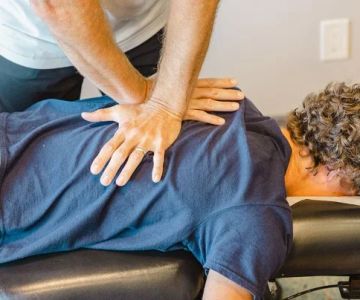
Spinal adjustments are commonly associated with chiropractic care. These techniques involve controlled movements applied to specific joints to improve mobility.
Some osteopathic practitioners may also use similar techniques, although the style and reasoning behind treatment may differ.
Gentle Manual Techniques
Osteopathic manual medicine often includes gentle techniques designed to influence muscles, fascia, and joint mobility.
These approaches may appeal to patients who prefer slower, more comprehensive evaluations.
Rehabilitation and Exercise Support
Both professions increasingly recognize the importance of active care. Exercises, strengthening programs, and movement education are often used alongside hands-on treatment.
A person recovering from a sports injury, for example, may benefit from combining manual treatment with targeted exercises that restore strength and prevent future problems.
Conditions That May Benefit From Each Approach
People seek chiropractic and osteopathic manual medicine for many similar concerns, especially those involving muscles, joints, and movement.
Conditions Commonly Addressed Through Chiropractic Care
- Lower back discomfort
- Neck stiffness
- Headaches related to muscle tension
- Sports-related injuries
- Joint mobility concerns
Conditions Commonly Addressed Through Osteopathic Manual Medicine
- Musculoskeletal pain
- Movement restrictions
- Postural issues
- Recovery support after injuries
- Functional mobility concerns
Real-Life Example of Choosing the Right Approach
Consider a recreational runner who develops persistent hip and lower back discomfort. A chiropractor may evaluate spinal and joint mechanics to identify movement restrictions. An osteopathic physician may also examine muscle balance, previous injuries, and overall physical health factors.
The most suitable choice depends on what the person needs from their care experience.
How to Choose Between Chiropractic and Osteopathic Care
Choosing between chiropractic and osteopathic manual medicine starts with understanding your personal health goals.
1. Consider Your Specific Condition
If your primary concern involves joint movement, posture, or spinal mechanics, chiropractic care may be worth exploring.
If you prefer a broader medical approach that includes whole-body evaluation, osteopathic care may be a better fit.
2. Look for Qualified Professionals
Experience, education, communication style, and treatment philosophy all matter.
A good practitioner should explain your condition clearly, answer questions, and create a treatment plan that matches your needs.
3. Combine Professional Care With Healthy Habits
Manual treatment is often most effective when combined with healthy movement habits, proper exercise, and lifestyle improvements.
Long-term results usually come from addressing both symptoms and the habits that contribute to physical stress.
Modern Manual Medicine and ChiroScope Health Solutions
As interest in natural and movement-focused healthcare continues to grow, more people are looking for reliable information and supportive products that complement their wellness routines.
Understanding What is the difference between chiropractic and osteopathic manual medicine? helps individuals make more informed choices about their health journey.
At ChiroScope, people interested in chiropractic wellness, manual therapy support, and musculoskeletal health resources can explore carefully selected solutions designed to support everyday comfort and mobility.
Making an Informed Choice for Your Body
Chiropractic and osteopathic manual medicine share a common goal: helping people improve movement, comfort, and quality of life. However, their training, philosophy, and treatment approaches create meaningful differences.
Whether you choose chiropractic care, osteopathic manual medicine, or another healthcare approach, the most important step is finding a qualified professional who understands your individual needs.
Explore more wellness resources and supportive products through ChiroScope to discover options that can help you maintain better movement, comfort, and long-term musculoskeletal health.



 Bellflower Injury & Rehabilitation Center4.0 (8 reviews)
 Total Healing & Wellness5.0 (48 reviews)
 Dr. Jill Chiropractic5.0 (44 reviews)
 Hah Chiropractic5.0 (43 reviews)
 Dr. Nadina M. de Souza, D.C.5.0 (52 reviews)
 CareMore Chiropractic Centers4.0 (101 reviews)
 How Chiropractic Adjustments Can Improve How Chiropractors Treat Migraines
 Benefits of Chiropractic Care for Improving Mobility in the Elderly
 Understanding the Link Between Desk Job Posture and Your Spine
 Expert Tips for Managing Chiropractor Benefits Naturally with Chiropractic Care
 Top Questions About Spinal Alignment Answered by Chiropractors
 How Often Should You Visit a Chiropractor? Recommendations and Benefits