
- 1-locked-sacroiliac-joint-basics
- 2-causes-and-symptoms-of-si-joint-locking
- 3-what-is-a-chiropractic-adjustment-for-a-locked-si-joint
- 4-how-a-chiropractic-adjustment-feels
- 5-what-happens-before-the-adjustment
- 6-benefits-of-chiropractic-care-for-si-joint-dysfunction
- 7-real-life-si-joint-recovery-story
- 8-how-many-visits-might-you-need
- 9-choosing-the-right-chiropractic-care
1. Understanding a Locked Sacroiliac Joint
The sacroiliac joint, commonly called the SI joint, is one of the most important but often overlooked structures in the lower back and pelvis. Located where the sacrum connects with the left and right sides of the pelvis, this joint helps transfer movement and weight between the upper body and legs. Every time you walk, climb stairs, stand up, or rotate your body, the SI joints help create stability and controlled motion.
When people describe having a “locked sacroiliac joint,” they are usually referring to a feeling that the joint is not moving normally. The joint may feel stiff, restricted, painful, or as if something is “stuck.” Although the SI joint does not actually lock like a door hinge, muscle tension, inflammation, joint irritation, or altered movement patterns can create a sensation of being blocked.
Many people searching for answers ask: What is a chiropractic adjustment for a locked sacroiliac joint and how does it feel? A chiropractic adjustment is a hands-on technique designed to restore normal joint motion, reduce mechanical stress, and improve how the pelvis and surrounding muscles work together.
2. Common Causes and Signs of SI Joint Problems
2.1 Why the SI Joint Can Become Restricted
The SI joint is designed to handle significant pressure, but certain activities and lifestyle factors can place extra stress on this area. Athletes, office workers, parents carrying children, and people recovering from injuries may all experience SI joint irritation.
Common contributors include:
1. Sudden twisting movements
Activities such as lifting while rotating, playing sports, or falling awkwardly can strain the ligaments surrounding the SI joint.
2. Long periods of sitting
Modern lifestyles often involve hours of sitting. Extended sitting can reduce hip mobility and increase stress on the pelvis and lower back.
3. Muscle imbalance
Tight hip flexors, weak glute muscles, or uneven movement patterns can change how forces travel through the pelvis.
4. Athletic training demands
Runners, weightlifters, golfers, and athletes involved in rotational sports may place repeated stress on the SI joint.
5. Pregnancy-related changes
During pregnancy, hormonal changes can increase ligament flexibility, which may affect pelvic stability and contribute to SI joint discomfort.
2.2 Symptoms People Often Notice
A restricted SI joint may create different symptoms depending on the person. Some individuals experience a sharp pain near one side of the lower back, while others notice discomfort deep in the buttock area.
Common signs include:
• Pain on one side of the lower back
• Discomfort near the dimples above the buttocks
• Difficulty standing after sitting for a long time
• Pain while climbing stairs
• A feeling that one side of the pelvis is uneven
• Reduced ability to rotate or bend comfortably
Because SI joint symptoms can overlap with other conditions, including lumbar spine problems and hip issues, proper evaluation is important before beginning any treatment approach.
3. What Is a Chiropractic Adjustment for a Locked Sacroiliac Joint?
A chiropractic adjustment for a locked sacroiliac joint is a specialized manual technique that focuses on improving movement within the SI joint and restoring better coordination between the pelvis, spine, and surrounding muscles.
During an adjustment, a chiropractor uses controlled force directed toward a specific area of restricted motion. The goal is not to “force” the joint into place but to encourage normal movement and reduce mechanical stress.
3.1 How Chiropractors Approach SI Joint Adjustments
A qualified chiropractor typically considers several factors before performing an adjustment:
1. Joint mobility
The chiropractor evaluates whether one side of the pelvis appears restricted compared with the other side.
2. Muscle tension
Tight muscles around the hips, glutes, and lower back can influence SI joint movement.
3. Movement patterns
Walking, standing posture, and functional movements provide information about how the body is compensating.
4. Previous injuries
A history of falls, sports injuries, or repetitive strain can influence treatment decisions.
The adjustment is usually part of a larger care plan that may include mobility exercises, strengthening, posture changes, and lifestyle recommendations.
4. How Does an SI Joint Chiropractic Adjustment Feel?
One of the biggest questions people have before treatment is what the experience will feel like. The sensation varies from person to person, but many patients describe the process as controlled, quick, and less dramatic than they expected.
4.1 During the Adjustment
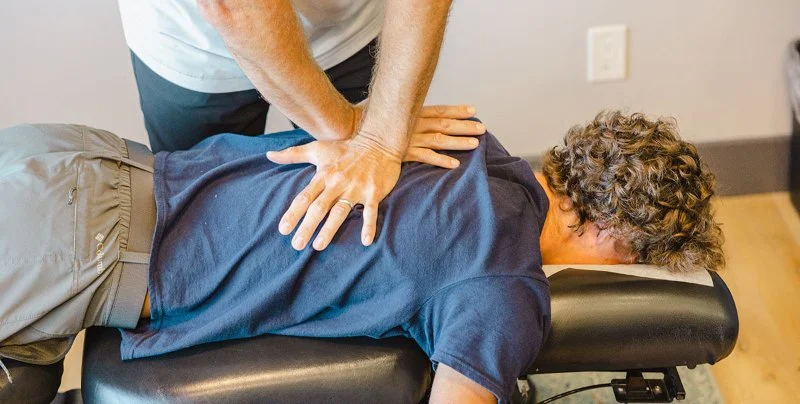
Many SI joint adjustments involve the patient lying on a treatment table while the chiropractor positions the body carefully. The chiropractor may apply a brief, precise movement to the restricted area.
Some people feel:
• A quick pressure sensation
• A small popping or clicking sound
• A feeling of movement returning to a stiff area
• Immediate relaxation of surrounding muscles
The popping sound that sometimes occurs is caused by gas changes within the joint fluid. It is not the bones rubbing together or the joint being damaged.
4.2 After the Adjustment
After an adjustment, some people notice immediate improvement in comfort and mobility. Others experience mild soreness, similar to what happens after using muscles that have not been active for a while.
Possible short-term sensations may include:
• Feeling lighter or less restricted
• Improved range of motion
• Mild tenderness around the adjusted area
• Temporary muscle fatigue
Results vary depending on the cause of the SI joint problem, overall health, activity level, and whether contributing movement patterns are addressed.
5. What Happens Before Receiving SI Joint Chiropractic Care?
A responsible chiropractic visit begins with assessment rather than immediate treatment. Understanding why the joint feels restricted helps create a safer and more personalized approach.
5.1 Consultation and Evaluation
The chiropractor may ask questions about:
• When the pain started
• Activities that increase discomfort
• Previous injuries
• Exercise habits
• Work posture and daily routines
Physical evaluation may include observing posture, checking movement, and assessing areas around the pelvis and spine.
5.2 Personalized Treatment Planning
Not every person with SI joint discomfort requires the same approach. Some people may benefit from gentle techniques, while others may require a combination of adjustments and rehabilitation exercises.
At ChiroScope, patients can explore chiropractic care options designed around individual needs rather than a one-size-fits-all approach.
6. Potential Benefits of Chiropractic Care for SI Joint Dysfunction
Chiropractic care for SI joint problems focuses on improving function and reducing discomfort caused by movement restrictions.
6.1 Improved Mobility
When the pelvis is moving more efficiently, everyday activities such as walking, bending, and exercising may become easier.
6.2 Reduced Mechanical Stress
Improving joint movement may help distribute forces more evenly throughout the lower back, hips, and pelvis.
6.3 Better Body Awareness
Many patients discover that habits such as uneven standing, poor lifting techniques, or limited hip mobility contribute to recurring discomfort.
6.4 Supporting Long-Term Movement Health
Successful care often involves more than temporary symptom relief. Learning proper movement strategies can help people maintain better function over time.
7. A Real-Life Style SI Joint Recovery Story
Consider the experience of a recreational runner named Mike. After increasing his weekly mileage, he began feeling sharp discomfort on one side of his lower back and buttock. He initially assumed he had a typical muscle strain, but the discomfort continued whenever he climbed hills or stood after sitting.
During evaluation, the focus was placed on his pelvic movement, hip flexibility, and running mechanics. His chiropractor identified movement restrictions around the SI joint and created a care plan involving adjustments, mobility exercises, and changes to his training routine.
Mike described the first adjustment as “a strange but comfortable release.” He noticed that his walking felt smoother afterward, although improvement continued gradually over several visits.
His experience highlights an important point: chiropractic adjustments are not always about one dramatic moment of change. Often, progress comes from combining treatment with improved movement habits.
8. How Many Chiropractic Visits Might Be Needed?
The number of visits needed for a locked SI joint varies widely. Some people experience improvement quickly, while others need a longer approach because of chronic problems, previous injuries, or muscle imbalances.
8.1 Factors That Influence Recovery Time
Several factors can affect progress:
1. How long symptoms have existed
A recent movement restriction may respond differently than a problem lasting several months.
2. Activity demands
A professional athlete and someone with a desk job may require different strategies.
3. Lifestyle habits
Sleep quality, exercise routines, posture, and stress levels can influence recovery.
4. Commitment to rehabilitation
Exercises and movement corrections often play an important role in maintaining improvements.
9. Choosing the Right Chiropractic Approach
When searching for care for SI joint discomfort, it is important to choose a chiropractor who evaluates the entire movement system rather than focusing only on one painful area.
9.1 Questions to Consider
Before beginning care, patients may want to ask:
• How will my condition be evaluated?
• What techniques may be used?
• How will progress be measured?
• What exercises or lifestyle changes may support recovery?
A well-rounded approach considers the relationship between the spine, pelvis, hips, and daily movement patterns.
9.2 Understanding Your Own Body
Learning why the SI joint became irritated can be just as valuable as receiving treatment. When patients understand their movement patterns, they become active participants in their own recovery.
A chiropractic adjustment for a locked sacroiliac joint may feel like a small but meaningful step toward restoring comfortable movement. For many people, the combination of professional guidance, targeted adjustments, and healthy movement habits provides a practical path toward better function and confidence in daily activities.


 Bellflower Injury & Rehabilitation Center4.0 (8 reviews)
 Total Healing & Wellness5.0 (48 reviews)
 Dr. Jill Chiropractic5.0 (44 reviews)
 Hah Chiropractic5.0 (43 reviews)
 Dr. Nadina M. de Souza, D.C.5.0 (52 reviews)
 CareMore Chiropractic Centers4.0 (101 reviews)
 How Chiropractic Adjustments Can Improve How Chiropractors Treat Migraines
 Benefits of Chiropractic Care for Improving Mobility in the Elderly
 Understanding the Link Between Desk Job Posture and Your Spine
 Expert Tips for Managing Chiropractor Benefits Naturally with Chiropractic Care
 Top Questions About Spinal Alignment Answered by Chiropractors
 How Often Should You Visit a Chiropractor? Recommendations and Benefits