
- 1-understanding-care-after-a-chiropractic-adjustment
- 2-when-to-use-ice-after-a-chiropractic-adjustment
- 3-when-to-use-heat-after-a-chiropractic-adjustment
- 4-ice-vs-heat-which-option-is-right
- 5-how-to-apply-ice-safely-after-treatment
- 6-how-to-use-heat-safely-for-relief
- 7-how-to-combine-ice-and-heat-effectively
- 8-common-mistakes-after-chiropractic-adjustments
- 9-other-ways-to-support-chiropractic-recovery
- 10-building-long-term-chiropractic-wellness-habits
1. Understanding Care After a Chiropractic Adjustment
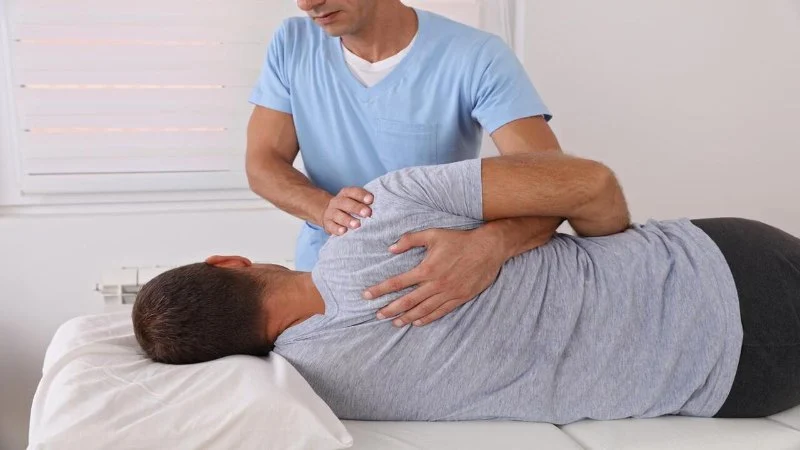
A chiropractic adjustment can be an important part of a wellness routine for many people dealing with muscle tension, joint discomfort, limited mobility, or everyday physical stress. After an adjustment, your body begins adapting to changes in movement patterns and spinal alignment, and proper aftercare can help make the recovery process more comfortable.
Many people wonder how to ice and heat after a chiropractic adjustment for best pain relief because temperature therapy is one of the most common methods used to manage temporary soreness or discomfort. Understanding when to use cold therapy, when to use heat, and how to apply both safely can help you feel more comfortable after treatment.
It is normal for some individuals to experience mild soreness after a chiropractic adjustment, similar to the feeling after trying a new workout routine. Muscles and connective tissues may respond as the body adjusts to changes in movement and posture.
Why Post-Adjustment Care Is Important
The period after a chiropractic appointment is an opportunity to support your body’s natural recovery process. Simple habits such as staying hydrated, maintaining gentle movement, and using temperature therapy when appropriate can help improve comfort.
Every person responds differently to chiropractic care. Some people feel immediate improvement, while others may notice gradual changes over several sessions. Listening to your body and following professional recommendations is an important part of the process.
For those interested in learning more about chiropractic wellness tools and supportive care options, ChiroScope provides helpful resources and recommendations designed to support healthier daily routines.
2. When to Use Ice After a Chiropractic Adjustment
Ice therapy, also known as cold therapy, is commonly used when the goal is to reduce temporary swelling, irritation, or soreness. After certain physical treatments, including chiropractic adjustments, cold application may help calm areas that feel sensitive.
Benefits of Using Ice
Cold therapy works by temporarily reducing blood flow to the treated area and helping decrease sensations of discomfort. Many people find ice especially useful when they experience:
- Localized soreness
- Mild swelling
- Feeling of irritation after movement
- Temporary tenderness around adjusted areas
For example, someone who receives an adjustment after experiencing neck or back stiffness may notice mild soreness afterward. Applying a cold pack properly may provide a soothing sensation while the body adapts.
Situations Where Ice May Be Helpful
Ice is often considered a better option shortly after treatment when discomfort feels more like irritation or inflammation. However, the best choice depends on individual circumstances.
A person who feels sharp tenderness after an adjustment may prefer cold therapy, while someone experiencing general muscle tightness may respond better to warmth.
3. When to Use Heat After a Chiropractic Adjustment
Heat therapy is commonly used to relax muscles and encourage comfort when stiffness or tightness is the main concern. Warmth can create a soothing feeling that helps muscles feel less tense.
Benefits of Using Heat
Heat may help with:
- Muscle tightness
- General stiffness
- Relaxation after physical activity
- Comfort during recovery
Many people enjoy using heat later in the day after a chiropractic appointment, especially if their muscles feel tired or tense.
Choosing the Right Time for Heat
Heat is often preferred when the main issue is muscle tension rather than recent irritation. For example, someone who spends long hours sitting at a desk may experience tight shoulders after an adjustment and find gentle warmth relaxing.
However, excessive heat immediately after certain types of discomfort may not always be appropriate. It is important to consider how your body feels and follow advice from your healthcare provider.
4. Ice vs. Heat: Which Option Is Right?
One of the most common questions after chiropractic treatment is whether to choose ice or heat. The answer depends on the type of discomfort you are experiencing.
Understanding the Difference
| Ice Therapy | Often used for temporary soreness, tenderness, or irritation |
| Heat Therapy | Often used for muscle tightness and relaxation |
Instead of thinking about one option as always better, consider what your body is telling you.
Pay Attention to Your Body’s Response
A useful approach is observing how your symptoms change after applying either method. If one approach makes you feel more comfortable, it may be a better fit for that situation.
Keeping notes about your recovery experience can help you understand patterns over time and communicate more effectively with your chiropractor.
5. How to Apply Ice Safely After Treatment
Using ice correctly is important because direct or excessive cold exposure may irritate the skin.
Steps for Using Ice Properly
A general approach includes:
- Wrap the ice pack in a thin towel
- Apply it to the uncomfortable area
- Avoid placing ice directly on bare skin
- Remove the cold pack if the skin becomes uncomfortable
The goal is gentle cooling, not extreme cold exposure.
Avoid Overusing Cold Therapy
Using ice too frequently or for too long may not provide additional benefits. Short, controlled applications are generally more comfortable and practical.
6. How to Use Heat Safely for Relief
Heat can be relaxing, but it should also be used carefully. Excessive heat may cause discomfort or skin irritation.
Steps for Using Heat Comfortably
- Use a comfortable temperature
- Avoid falling asleep with heating devices
- Protect skin when necessary
- Stop if heat causes discomfort
A warm shower, heating pad, or warm compress may be options people choose depending on their preferences.
Why Heat Feels Helpful
Warmth can create a relaxing sensation by helping muscles feel less tense. This can be especially appealing after a long day of work, exercise, or physical activity.
7. How to Combine Ice and Heat Effectively
Some people find that alternating ice and heat provides a comfortable recovery routine. This approach combines the soothing effects of both temperature methods.
Understanding Alternating Therapy
Alternating temperatures may involve using cold therapy during one period and warmth later. The purpose is to respond to changing sensations throughout recovery.
Finding What Works for You
There is no single routine that works for everyone. Factors such as activity level, sensitivity, and the reason for chiropractic care can influence what feels most comfortable.
8. Common Mistakes After Chiropractic Adjustments
Many people unintentionally make recovery more difficult by ignoring simple aftercare habits.
1. Ignoring Body Signals
Mild soreness may occur, but significant or unusual discomfort should not be ignored. Communicating concerns with your healthcare provider is important.
2. Returning to Intense Activity Too Quickly
Some people feel better immediately after an adjustment and return to demanding activities too soon. Gradual movement is often a more comfortable approach.
3. Using Temperature Therapy Incorrectly
Applying extreme temperatures or using therapy methods improperly may reduce comfort rather than improve it.
9. Other Ways to Support Chiropractic Recovery
Temperature therapy is only one part of a complete recovery approach.
1. Stay Hydrated and Rest
Drinking enough water and allowing your body time to recover can support overall wellness.
2. Practice Gentle Movement
Light stretching or walking may help maintain mobility and prevent excessive stiffness.
3. Improve Daily Habits
Long-term comfort often depends on everyday behaviors such as posture, workstation setup, exercise habits, and sleep quality.
10. Building Long-Term Chiropractic Wellness Habits
A chiropractic adjustment is often part of a broader approach to maintaining physical comfort and mobility. Developing consistent wellness habits can help support your goals over time.
Create a Balanced Routine
Regular movement, proper ergonomics, and attention to body signals can contribute to better long-term habits.
Maintain Communication With Professionals
Your chiropractor can provide personalized guidance based on your needs and treatment goals. Discussing your recovery experience helps ensure your care plan remains appropriate.
Learning how to ice and heat after a chiropractic adjustment for best pain relief can make the recovery process more comfortable and manageable. Ice may provide soothing support for temporary soreness, while heat may help with muscle relaxation and stiffness.
The most effective approach is paying attention to your body, using temperature therapy safely, and combining it with healthy recovery habits. With the right aftercare routine, many people find that chiropractic care becomes a valuable part of their overall wellness journey.



 Breton Chiropractic, Ltd.4.0 (11 reviews)
 Seacrest Health and Wellness Center4.0 (25 reviews)
 Abundant Life Chiropractic5.0 (14 reviews)
 Reynoldsburg Chiropractic Center5.0 (173 reviews)
 Reading Chiropractic & Rehab4.0 (37 reviews)
 Flaherty Robert J DC0.0 (0 reviews)
 How Chiropractic Adjustments Can Improve Posture Correction
 Can Chiropractic Care Solve Your Chiropractic and Mental Health Problems?
 Can Chiropractic Care Solve Your Chiropractic and Sleep Problem?
 Everything You Need to Know About Chiropractic for Seniors – From a Chiropractic Perspective
 The Role of Chiropractic Care in Managing Temporomandibular Joint (TMJ) Disorders
 Expert Tips for Managing Chiropractic for Seniors Naturally with Chiropractic Care