

- <-1- Understanding your pain type before choosing a chiropractor - condition analysis and symptom mapping - back problem classification
- <-2- What makes a chiropractor suitable for different spinal issues - experience, specialization, and treatment style evaluation
- <-3- Red flags and mistakes people make when selecting chiropractic care - avoiding ineffective or unsafe choices
- <-4- Real patient recovery stories and what actually worked in practice - case-based insights and lessons
- <-5- How structured evaluation improves long-term spinal health outcomes - consistent care planning and tracking progress
- <-6- When and how to use ChiroScope for better chiropractor matching - personalized recommendation guidance
Choosing the Right Chiropractic Care Path for Back Pain Relief in the United States
Back pain in the United States is one of the most common reasons people seek non-invasive treatment, yet many patients still struggle with a surprisingly basic question: how to choose the right chiropractor for your specific back problem. The challenge is not just finding a licensed professional, but finding someone whose approach actually aligns with the type of pain you are experiencing, whether it is lower back stiffness, nerve-related discomfort, posture strain, or sports-related spinal stress.
What makes this even more complicated is that two chiropractors can have completely different philosophies. One may focus heavily on manual spinal adjustments, while another integrates rehabilitation exercises, soft tissue therapy, or ergonomic correction. Understanding this difference is the first step toward making a meaningful choice instead of a random appointment.
Understanding Your Pain Type Before Choosing a Chiropractor
Not all back pain is structurally the same
One of the biggest mistakes patients make is assuming all back pain belongs in the same category. In reality, musculoskeletal pain varies significantly. Lower back pain from sitting long hours at a desk is often related to muscle imbalance and posture fatigue, while radiating pain down the leg may indicate nerve compression issues such as sciatica.
Why pain identification changes treatment direction
A chiropractor trained in sports injury recovery might focus on mobility restoration and muscle activation, while someone specializing in chronic spinal misalignment may emphasize long-term corrective adjustments. Without understanding your pain type first, it becomes difficult to evaluate whether a provider is truly suitable.
A simple self-reflection many patients overlook
Before booking any appointment, it helps to ask yourself when the pain started, what movements worsen it, and whether it is sharp, dull, or radiating. These details may seem minor, but they directly influence which type of chiropractic approach will be most effective for your condition.
What Makes a Chiropractor Suitable for Different Spinal Issues
Experience beyond general practice matters
When evaluating how to choose the right chiropractor for your specific back problem, experience is more than just years in practice. It is about exposure to similar cases. A chiropractor who frequently treats office-related neck strain may not be the best fit for someone recovering from a sports injury or accident-related spinal trauma.
Treatment philosophy and patient expectations
Some chiropractors focus on immediate relief through adjustment techniques, while others prioritize long-term structural correction and preventive care. Neither approach is universally better, but one may align more closely with your expectations and lifestyle. For example, someone seeking quick relief for a stiff neck may prefer a different approach than someone committed to long-term spinal realignment.
Integration of supportive therapies
Modern chiropractic care often includes complementary techniques such as stretching routines, posture training, and muscle rehabilitation exercises. These additional methods can significantly improve recovery speed and reduce recurrence of pain.
Red Flags and Mistakes People Make When Selecting Chiropractic Care
Overpromising fast or permanent cures
A major warning sign is any provider promising immediate or permanent elimination of back pain after a single session. Real musculoskeletal conditions require evaluation, adjustment, and follow-up care. Overpromising often indicates a lack of clinical transparency.
Ignoring diagnostic depth
Another common issue is skipping proper assessment. A qualified chiropractor should take time to understand your posture, movement patterns, and pain triggers before recommending treatment. Without this step, care becomes generic rather than personalized.
One-size-fits-all treatment approaches
Back problems vary widely, and treatment should reflect that. If every patient receives the same adjustment routine regardless of condition, it may not address the underlying cause of discomfort.
Real Patient Recovery Stories and What Actually Worked in Practice
Office worker with chronic lower back stiffness
A 38-year-old office worker in Chicago experienced persistent lower back stiffness after years of desk work. Initially, she visited a clinic that focused only on spinal adjustments, but improvement was temporary. Later, she switched to a chiropractor who incorporated posture retraining and core strengthening exercises. Within weeks, her symptoms improved significantly and remained stable.
A runner dealing with recurring hip and spine strain
Another case involved a recreational marathon runner experiencing recurring spinal tightness. Instead of only focusing on adjustments, the chiropractor identified muscle imbalance in the hips and incorporated mobility drills. This combined approach reduced recurrence and improved running performance.
Key lesson from real cases
The most effective outcomes often come from matching treatment style to the underlying cause, not just the symptom location. This is why understanding how to choose the right chiropractor for your specific back problem is essential before committing to care.
How Structured Evaluation Improves Long-Term Spinal Health Outcomes
Tracking progress instead of guessing improvement
Structured chiropractic care involves monitoring pain levels, mobility range, and functional improvement over time. Without tracking, it becomes difficult to know whether treatment is truly effective or simply providing temporary relief.
The importance of follow-up adjustments
Many patients stop treatment once pain decreases, but long-term stability often requires continued adjustments and corrective exercises. Skipping follow-up care can lead to recurring discomfort.
Building sustainable spinal health habits
Chiropractic care is not just about treatment sessions; it is about integrating healthier movement habits into daily life. This includes posture awareness, ergonomic improvements, and regular mobility work.
When and How to Use ChiroScope for Better Chiropractor Matching
Why personalized matching matters more than proximity
Many patients choose chiropractors based on location alone, but proximity does not guarantee suitability. A better approach is matching expertise with your specific condition. This is where ChiroScope becomes valuable, offering structured guidance to help identify the most appropriate care options based on individual back problems.
How ChiroScope improves decision confidence
Instead of guessing which clinic might work, users can explore tailored recommendations that consider pain type, severity, and treatment preferences. This reduces trial-and-error visits and increases the likelihood of effective care from the beginning.
Making informed decisions about spinal care
Choosing the right provider is not just a medical decision—it affects daily comfort, productivity, and long-term physical health. With better guidance, patients are more likely to find sustainable relief rather than temporary fixes.
Why the right match changes everything
When treatment aligns with your specific condition, recovery tends to be smoother and more predictable. Instead of cycling through multiple providers, a well-matched chiropractor can address both symptoms and underlying causes more effectively.

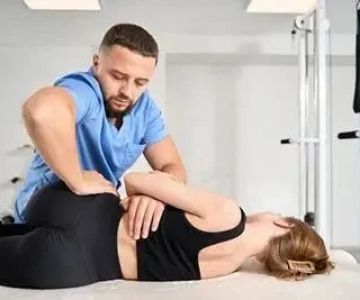


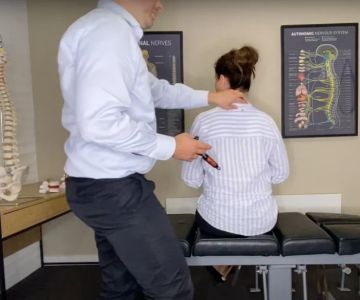

 Jessica N. Johnson Zortman, DC0.0 (0 reviews)
 Complete Chiropractic Rehabilitation4.0 (1 reviews)
 Eaton Chiropractic and Rehab Center5.0 (11 reviews)
 Truly Chiropractic Inc5.0 (35 reviews)
 Catalina Chiropractic Center4.0 (74 reviews)
 Prestige Health and Wellness - Chelsea4.0 (474 reviews)
 Understanding the Connection Between Back Pain Relief and Your Spine
 How Chiropractic Care Can Help with Pinched Nerve Problems
 What Causes Herniated Disc Care and How Chiropractors Treat It
 Chiropractic for Managing Digestive Health and Gut Wellness - ChiroScope
 Everything You Need to Know About How Often to Visit a Chiropractor from a Chiropractic Perspective
 How Chiropractic Adjustments Improve Performance for Athletes