
Understand first. Search with better questions.
Understand Your Care Options
Start with your concern, learn the limits of general information, compare possible care paths, and prepare questions before choosing a nearby clinic.
Seven decision areas
Start with the question you need to answer
Each section ends with practical questions and a route into clinic discovery. General information never proves that a named clinic offers a service.
 10 guides
Concerns & Goals
Start with what you notice, understand safety boundaries, and prepare useful questions before choosing care.
 6 guides
Care Paths & Comparisons
Compare provider types and care routes without treating one option as universally best.
 8 guides
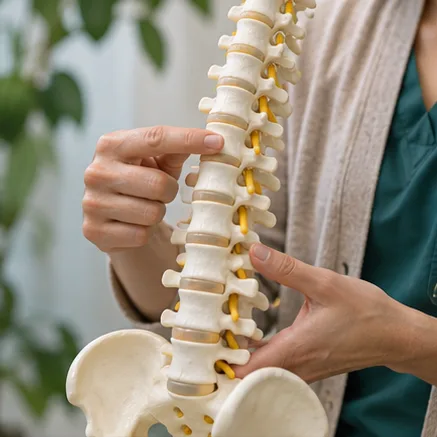
First Visit & Care Process
Understand assessment, consent, goals, visit frequency, reassessment, and when another opinion may help.
 8 guides
Techniques & Terms
Learn common terms, what they generally mean, their limits, and what to confirm with a provider.
 6 guides
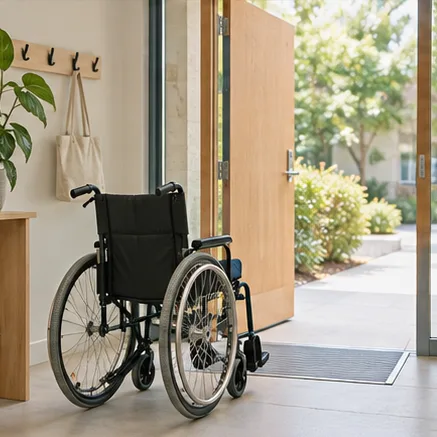
Special Contexts
Prepare additional questions for pregnancy, children, older adults, athletes, prior injury, and family searches.
 4 guides
Cost & Access
Plan for insurance, self-pay, language, accessibility, schedule, and transportation without assuming provider support.
 6 guides
Questions & Checklists
Turn learning into a private decision brief, a clinic question list, and a practical visit plan.
Concerns
Concerns & Goals
Start with what you notice, understand safety boundaries, and prepare useful questions before choosing care.

Back Pain: What to Notice Before You Choose Care
Organize what you notice, recognize reasons to seek medical evaluation, and prepare questions without trying to diagnose yourself.
Open guide →
Neck Pain: A Safer Way to Prepare for Care
Describe function, timing, and warning signs before comparing care options.
Open guide →
Headache or Migraine: Questions Before Provider Search
Understand why a new, sudden, or severe headache needs appropriate medical attention before a routine clinic search.
Open guide →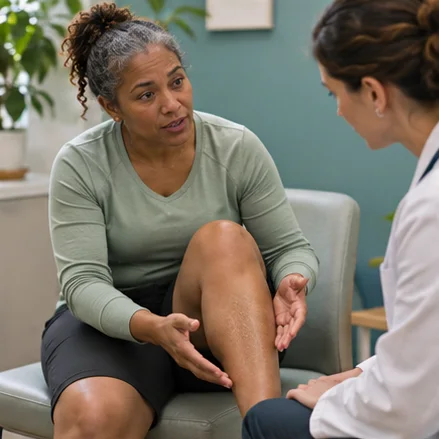
Sciatica-Like Symptoms: What to Record and Ask
Record pain location, numbness, weakness, function, and change over time without assuming a cause.
Open guide →
Desk Work and Posture Concerns
Turn a broad posture concern into useful observations about work setup, movement, and function.
Open guide →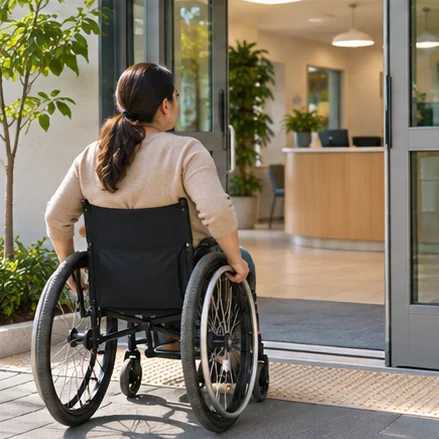
Mobility Limits: Preparing for an Evaluation
Describe movements and daily tasks that are difficult and identify access needs for a visit.
Open guide →
Shoulder and Upper-Back Concerns
Separate a general concern from a diagnosis and prepare questions about assessment and referral.
Open guide →
Sports Recovery and Return-to-Activity Questions
Prepare goals, training context, previous care, and return-to-activity questions.
Open guide →
Persistent Pain: Planning the Next Conversation
Prepare a history, functional goals, previous care, and questions about coordinated care.
Open guide →
When a Clinic Search Should Wait
Recognize situations where urgent or other medical evaluation should come before routine place discovery.
Open guide →Care paths
Care Paths & Comparisons
Compare provider types and care routes without treating one option as universally best.

Chiropractic or Physical Therapy: Questions for Choosing a Path
Compare goals, assessment, exercise, manual care, referral, and reassessment questions without declaring a universal winner.
Open guide →
Chiropractic or Primary Care: Where to Start
Use symptom context, general health, medication, diagnosis needs, and referral questions to choose a starting conversation.
Open guide →
Urgent Care, Emergency Care, or a Routine Visit?
Use general warning context to avoid treating a directory as emergency triage.
Open guide →
Comparing Manual-Care Options
Compare provider role, assessment, goals, evidence, and scope rather than labels alone.
Open guide →
Coordinated Care: Questions About Referrals and Teamwork
Prepare questions about communication with primary care, physical therapy, and other clinicians.
Open guide →
When and How to Seek a Second Opinion
Compare explanations, goals, proposed frequency, reassessment, alternatives, and referral boundaries.
Open guide →First visit
First Visit & Care Process
Understand assessment, consent, goals, visit frequency, reassessment, and when another opinion may help.

What to Expect at a First Chiropractic Visit
Prepare history, goals, questions, consent preferences, and practical details for an initial consultation.
Open guide →
Understanding the Assessment Conversation
Know what information may be discussed and ask how findings connect to a proposed plan.
Open guide →
Informed Communication and Consent
Prepare to ask about expected benefits, limitations, alternatives, risks, and the option to pause or decline.
Open guide →
Setting Clear, Functional Care Goals
Translate broad promises into observable goals tied to daily function.
Open guide →
Visit Frequency: What Should Determine the Plan?
Ask how frequency relates to goals, response, reassessment, cost, and change over time.
Open guide →
Reassessment: How Progress Should Be Reviewed
Prepare questions about what will be measured and what happens if progress is limited.
Open guide →
When a Plan Should Change, Stop, or Refer
Ask about stopping rules, worsening symptoms, alternatives, and referral to another professional.
Open guide →
Records and Follow-Up Visits
Organize relevant records and understand how follow-up should connect to an agreed plan.
Open guide →Techniques
Techniques & Terms
Learn common terms, what they generally mean, their limits, and what to confirm with a provider.
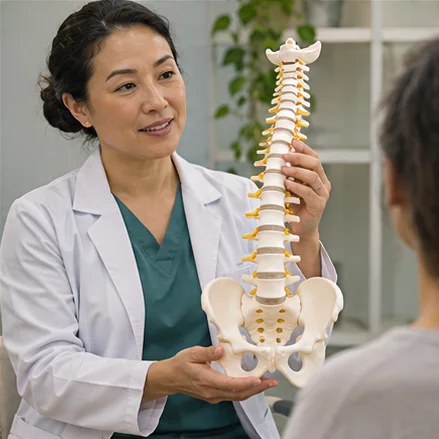
Spinal Manipulation: A General Definition
Understand the term, who may use it, and why a named clinic still needs specific evidence.
Open guide →
Mobilization: Questions About Approach and Goals
Learn the general term and ask how an approach relates to your goals and preferences.
Open guide →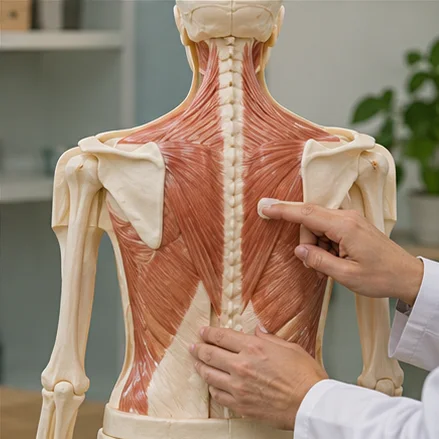
Soft-Tissue Work: What to Confirm
Separate a general technique label from proof that a clinic offers it.
Open guide →
Exercise Advice in a Care Plan
Ask how exercises are selected, taught, adjusted, and reassessed.
Open guide →
Posture and Ergonomics: Avoiding One-Size-Fits-All Claims
Focus on function, work context, movement, and realistic changes rather than perfect-posture promises.
Open guide →
Imaging Questions Before Care
Ask why imaging is or is not proposed, who interprets it, and how it changes a plan.
Open guide →
Maintenance and Wellness Claims
Ask what measurable goal, reassessment, cost, and stopping conditions support an ongoing plan.
Open guide →
Reading Health and Clinic Claims Critically
Recognize source type, date, scope, uncertainty, conflicts, and clinic-specific evidence.
Open guide →Special contexts
Special Contexts
Prepare additional questions for pregnancy, children, older adults, athletes, prior injury, and family searches.

Pregnancy and Back-Pain Questions
Start with obstetric guidance and prepare additional questions before considering any provider.
Open guide →
Searching for Care for a Child
Prepare age-specific questions, consent, coordination, and evidence checks without assuming suitability.
Open guide →
Searching for Care for an Older Adult
Consider health history, medications, mobility, falls, access, and coordination questions.
Open guide →
Athletes and Return-to-Activity Planning
Prepare sport demands, training load, goals, previous injury, and return criteria.
Open guide →
Prior Injury or Surgery: What to Bring and Ask
Bring relevant history and ask how care will be coordinated with the treating medical team.
Open guide →
Finding Care for a Family Member
Create a public candidate list and question set without exposing unnecessary private health details.
Open guide →Cost & access
Cost & Access
Plan for insurance, self-pay, language, accessibility, schedule, and transportation without assuming provider support.

Insurance Questions Before Booking
Confirm network, covered service, authorization, coding, limits, and estimated responsibility directly.
Open guide →
Self-Pay and Cost Questions
Ask about consultation, service, package, cancellation, and unexpected-charge policies.
Open guide →
Language and Accessibility Needs
Confirm communication, physical access, sensory needs, and support-person policies with evidence.
Open guide →
Schedule, Transportation, and Location Planning
Compare travel, appointment timing, parking, transit, and realistic visit frequency.
Open guide →Checklists
Questions & Checklists
Turn learning into a private decision brief, a clinic question list, and a practical visit plan.

Build Your Care-Choice Brief
Create a private summary of goals, context, practical constraints, and questions without generating a diagnosis.
Open guide →
How to Evaluate a Clinic
Compare explanation quality, evidence, goals, reassessment, costs, access, and unknowns.
Open guide →
Questions to Ask When You Call a Clinic
Use a concise call checklist covering fit, evidence, process, cost, access, and next steps.
Open guide →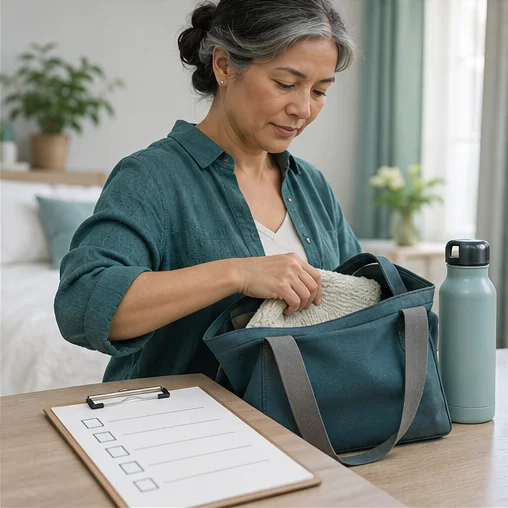
Visit Preparation Checklist
Prepare records, medication list, goals, questions, transportation, and follow-up notes.
Open guide →
Compare Clinic Candidates
Compare evidence and unknowns rather than names and ratings alone.
Open guide →
Reviewing or Changing a Care Plan
Prepare for reassessment, a second opinion, a change in goals, or a referral conversation.
Open guide →Ready to continue?
Take your questions into your search
Browse local clinic records and confirm the details that matter to you.