Techniques & Terms
Mobilization: Questions About Approach and Goals
Learn the general term and ask how an approach relates to your goals and preferences.

What is mobilization?
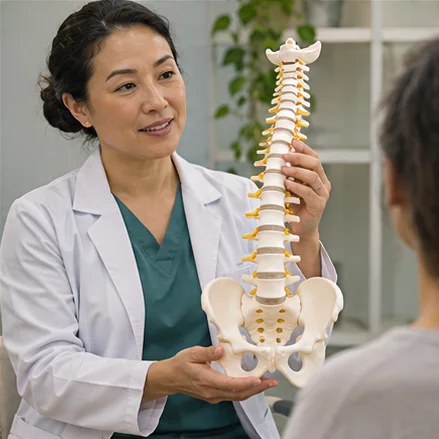
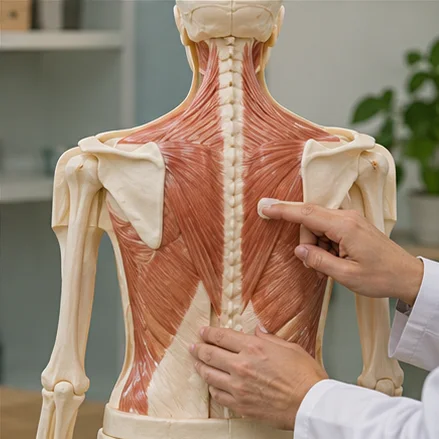
NCCIH distinguishes spinal mobilization from manipulation: mobilization does not use a thrust, occurs within the joint's natural range of motion and can be controlled by the patient. Practitioners may use the term differently in conversation, so ask the clinician to describe what they propose and where.
Discuss your assessment first
The term alone does not tell you whether an approach is appropriate or effective for a particular concern. Share relevant health conditions, medicines, previous injuries and operations. Ask how the assessment informs the suggestion, what evidence applies and what other approaches could be considered.
Turn the label into a specific explanation
If a clinician suggests mobilization, ask which part of the body they intend to work on, how the movement will be performed and what you may notice during it. Ask whether you can change position, request a pause or decline. A name such as “gentle” does not by itself describe the technique, eliminate risk or establish that it is suitable for your health history.
For example, if you want to make reaching for a shelf easier, explain that goal and ask how the proposed approach would be evaluated alongside other options. Agree on when to discuss whether the activity has changed and what to do if the approach is uncomfortable or does not help.
Questions about choice and comfort
- What will you do, what is the goal and how can I communicate discomfort?
- What benefits and risks should I understand given my history?
- What alternatives are available, and what happens if I prefer not to proceed?
- How will we measure progress and decide whether to change the plan?
NCCIH notes that temporary discomfort or stiffness can occur after manipulation or mobilization and that underlying conditions can affect risk.
Confirm clinic-specific details
Ask whether the named clinician offers the proposed service, who performs it, the expected cost and whether your specific plan covers it. For the distinction from a thrust technique, see spinal manipulation and its risks. A directory category or general guide is not a verified service listing.
Sources and scope
Topic references address specific subjects in this guide. General references provide background and do not necessarily support every statement. Access dates show when a source was consulted, not when this guide received professional review. No source establishes that a named clinic offers a service or is suitable for an individual. Source links open in a new tab.
- National Center for Complementary and Integrative Health — Spinal Manipulation: What You Need To KnowTopic reference · General evidence and risks of spinal manipulation · Accessed 2026-11-16
- National Center for Complementary and Integrative Health — Chiropractic: In DepthGeneral background · General chiropractic overview, evidence and safety context · Accessed 2026-11-15
More in Techniques & Terms