
- understanding-chiropractic-insurance-coverage - What Chiropractic Insurance Typically Covers
- spinal-adjustments-insurance - Why Spinal Adjustments Are Commonly Covered
- therapeutic-massage-and-soft-tissue - The Role of Soft Tissue Therapy in Covered Chiropractic Care
- rehab-and-stretching-programs - Insurance-Approved Rehab Exercises for Recovery and Posture
- electric-stim-and-modalities - What Experts Say About Coverage for Chiropractic Modalities
- chronic-pain-management-through-insurance - Can Insurance Help With Chronic Pain Chiropractic Plans?
- real-expert-opinions-on-covered-treatments - What Chiropractors Say Patients Should Focus On First
- how-chiroscope-guides-smart-choices - How ChiroScope Helps You Find the Right Treatment Within Coverage
1. What Chiropractic Insurance Typically Covers
If you're navigating chiropractic insurance coverage for the first time, you're not alone. Many Canadians and Americans alike are surprised by what treatments are included—and excluded—in their health plans. Most insurance providers cover medically necessary chiropractic care, especially for issues like back pain, joint misalignment, and rehabilitation post-injury.
Coverage can vary by province or policy, but generally, initial consultations, spinal manipulations, and follow-up care for documented conditions are often included. Wellness visits or maintenance care, however, may not be reimbursed unless tied to an active condition or rehabilitation plan.
2. Why Spinal Adjustments Are Commonly Covered
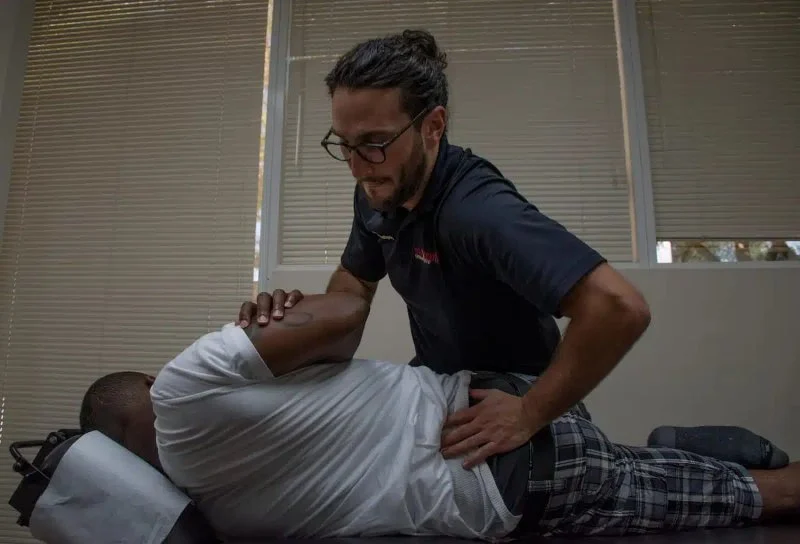
Spinal adjustments—also called spinal manipulations—are at the heart of chiropractic care. They're widely recognized by insurance companies as both effective and cost-efficient for managing musculoskeletal issues. Adjustments can alleviate pressure on nerves, improve posture, and reduce inflammation—all without pharmaceuticals.
Insurance providers view spinal manipulation as a clinically supported intervention, making it one of the most accessible entry points for coverage. At ChiroScope, we often recommend starting with spinal assessments to build a case for broader treatment eligibility.
3. The Role of Soft Tissue Therapy in Covered Chiropractic Care
3.1 More Than Relaxation
Soft tissue therapies like therapeutic massage, trigger point therapy, and myofascial release are often misunderstood. When prescribed by a chiropractor as part of an overall care plan, these treatments may be partially or fully covered by extended health benefits or employer-sponsored insurance programs.
3.2 Bridging Pain Relief and Rehab
Experts agree that combining spinal adjustments with soft tissue work improves long-term outcomes. A patient with chronic shoulder tension, for instance, may require both cervical manipulation and deep tissue work to fully restore mobility and reduce pain.
4. Insurance-Approved Rehab Exercises for Recovery and Posture
Rehabilitative exercise programs are a growing part of chiropractic care—and many insurance providers now recognize their value. These guided routines may include strengthening, resistance training, or neuromuscular re-education, all designed to complement manual therapies.
If your chiropractor includes exercise prescriptions in your treatment plan, insurers are more likely to approve claims. That’s why ChiroScope helps connect patients to clinics that incorporate digital rehab tracking and home routines, ensuring consistent progress and verifiable outcomes.
5. What Experts Say About Coverage for Chiropractic Modalities
5.1 Electrical Muscle Stimulation (EMS)
Modalities like EMS or TENS are frequently covered when documented as part of an injury recovery plan. These non-invasive techniques support circulation, reduce swelling, and stimulate muscle repair.
5.2 Ultrasound and Laser Therapy
Although not always included in basic insurance plans, low-intensity laser and therapeutic ultrasound treatments are gaining acceptance. Experts note that patients recovering from sports injuries or post-surgical pain management often benefit the most.
6. Can Insurance Help With Chronic Pain Chiropractic Plans?
Chronic conditions like fibromyalgia, tension headaches, or sciatica often require sustained care. While insurance policies may cap the number of visits per year, medical necessity documentation can sometimes expand coverage. Providers also evaluate treatment progress and adjust eligibility accordingly.
One Ontario-based patient with degenerative disc disease reported receiving 24 visits per year through employer health benefits—more than enough to manage symptoms when combined with home exercises and lifestyle changes.
7. What Chiropractors Say Patients Should Focus On First
According to Dr. Leah Sutton, a Toronto chiropractor with over a decade of experience, “When navigating chiropractic insurance coverage, start with a formal assessment and a treatment plan. Insurance companies respond to structure and evidence. Don’t just walk in for a massage—make your case.”
Other practitioners stress the importance of progress tracking. By demonstrating measurable improvements—like reduced range-of-motion issues or pain scores—patients are more likely to receive continued support for multi-modal treatment plans.
8. How ChiroScope Helps You Find the Right Treatment Within Coverage
At ChiroScope, we understand that getting the care you need shouldn’t be a guessing game. That’s why we partner with chiropractors who are familiar with insurance paperwork, progress tracking tools, and real-world treatment strategies that align with health benefits policies.
Whether you’re managing an acute injury or chronic discomfort, we help you find the right treatments—like spinal adjustments, EMS, or myofascial release—within your coverage limits. Our experts can also recommend products or clinics that best fit your condition and your insurer’s requirements.
Chiropractic care is a journey—and with smart guidance, it doesn’t have to be financially overwhelming. You deserve the best treatments your insurance can offer, and ChiroScope is here to help you make informed, confident choices every step of the way.






 White Horse Chiropractic Center5.0 (13 reviews)
 Park Slope Family Chiropractic and Nutrition5.0 (13 reviews)
 Meridian Integrative Wellness - Jacksonville4.0 (277 reviews)
 Doctor Para Dolor AccidentesWilmette5.0 (22 reviews)
 Dr. Daniel L. Pennell, DC4.0 (9 reviews)
 Olson Chiropractic5.0 (3 reviews)
 Can Chiropractic Care Solve Your Chiropractic and Sleep Problem?
 Expert Tips for Managing Pregnancy and Chiropractic Naturally with Chiropractic Care
 The Truth About Pregnancy and Chiropractic and What Chiropractors Recommend
 What Causes Chiropractic and Mental Health Issues and How Chiropractors Treat Them
 How Chiropractic Adjustments Can Improve Your Wellness Routine
 Chiropractic for Better Posture: How It Affects Your Overall Health