
- -why-choosing-pediatric-chiropractors-is-important
- -key-qualifications-and-certifications-to-look-for
- -how-to-research-child-friendly-chiropractors
- -questions-to-ask-during-your-first-visit
- -real-family-experiences-and-success-stories
- -common-misconceptions-about-child-chiropractic-care
- -benefits-of-regular-pediatric-chiropractic-checkups
- -how-chiroscope-helps-you-find-the-right-specialist
- -tips-for-maintaining-child-spinal-health-at-home
- -when-to-schedule-follow-up-appointments
Why Choosing Pediatric Chiropractors Is Important
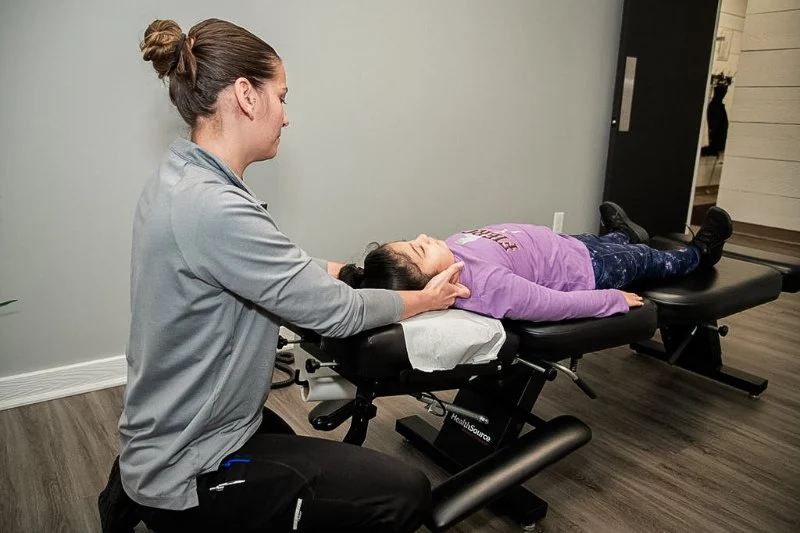
When it comes to spinal care for children, not all chiropractors are created equal. Finding a chiropractor who specializes in pediatric care ensures that your child receives gentle, safe, and age-appropriate adjustments. Pediatric chiropractors are trained to understand the unique anatomical and developmental needs of children, from infants to teenagers.
Parents often search for a pediatric chiropractor near me to ensure that their children are treated by professionals experienced in handling young patients. This specialization reduces the risk of injury and enhances the overall effectiveness of care.
Key Qualifications and Certifications to Look For
A chiropractor treating children should have specialized training and certifications in pediatric care. Important credentials include:
1. Diplomate in Pediatric Chiropractic.
2. Certification in infant and child chiropractic techniques.
3. Membership in professional pediatric chiropractic associations.
4. Experience in treating common pediatric conditions such as colic, posture issues, and sports-related injuries.
Verifying these qualifications ensures that the chiropractor has the knowledge and skill to safely manage pediatric patients.
How to Research Child-Friendly Chiropractors
Begin your search by asking local parents for recommendations or checking online reviews. Look for chiropractors who specifically mention pediatric experience on their website or profiles.
In addition, digital platforms like ChiroScope allow parents to filter chiropractors by pediatric expertise, making it easier to find professionals who meet specific child-care criteria.
Questions to Ask During Your First Visit
When visiting a new chiropractor for your child, consider asking:
- What pediatric conditions do you commonly treat?
- How do you tailor adjustments for children?
- What are the potential risks and benefits of chiropractic care for kids?
- Can you provide references from other families?
- What is the typical treatment plan and follow-up schedule?
These questions help you gauge both the chiropractor’s experience and their comfort level working with children.
Real Family Experiences and Success Stories
Many families have shared positive outcomes after choosing pediatric chiropractors. For instance, one parent reported that regular adjustments helped improve their child’s posture and reduced recurring back pain associated with school backpacks. Another family noted better sleep patterns in their infant after gentle chiropractic care.
These stories highlight the impact of skilled pediatric chiropractic care on children’s overall health and well-being.
Common Misconceptions About Child Chiropractic Care
Some parents worry that chiropractic adjustments are too harsh for children. In reality, pediatric techniques are gentle and designed for delicate structures. Chiropractors use softer pressure, smaller instruments, and careful monitoring to ensure safety.
Another misconception is that chiropractic care is only for back pain. Pediatric chiropractors address a range of issues including colic, ear infections, spinal alignment, and sports injuries.
Benefits of Regular Pediatric Chiropractic Checkups
Routine visits can support spinal health, posture, and overall physical development. Early detection of misalignments or musculoskeletal issues allows for proactive care, potentially preventing long-term problems.
Children who receive regular adjustments often demonstrate improved balance, flexibility, and coordination, supporting active lifestyles and healthy growth.
How ChiroScope Helps You Find the Right Specialist
ChiroScope is a trusted resource for parents looking for experienced pediatric chiropractors. The platform allows users to filter by pediatric experience, read verified reviews, and compare local options. This streamlines the process, helping families connect with qualified professionals safely and efficiently.
With ChiroScope, parents can feel confident that they are selecting a chiropractor who prioritizes children’s unique health needs.
Tips for Maintaining Child Spinal Health at Home
Parents can support chiropractic care by encouraging:
- Proper posture during school and play.
- Regular stretching and age-appropriate exercise.
- Healthy sleep positions.
- Using ergonomic backpacks and seating.
These practices complement professional care and help children maintain strong spinal health between visits.
When to Schedule Follow-Up Appointments
Pediatric chiropractors typically recommend follow-up appointments based on your child’s age, condition, and treatment goals. New patients often start with weekly or bi-weekly visits, gradually spacing out as improvements are observed.
Regular check-ins ensure continued spinal health and allow the chiropractor to adjust care plans as your child grows.



 THERAPEUO WELLNESS CENTER- DFW5.0 (50 reviews)
 Littleton Family Chiropractic & Auto Injury Center5.0 (165 reviews)
 Raleigh Center for Spine and Trauma5.0 (35 reviews)
 The Lumbar Yard5.0 (38 reviews)
 Brian H. Duermit, DC4.0 (25 reviews)
 Fort Worth Chiropractic Clinic4.0 (35 reviews)
 The Science Behind Chiropractic and Frozen Shoulder Relief: Natural Healing Methods
 10 Things You Should Know About Sciatica Treatment: Effective Relief and Tips
 How to Relieve Lower Back Pain Tips Without Medication – Chiropractor Approved
 Chiropractic vs Traditional Chinese Medicine for Pain Relief Explained
 The Science Behind Chiropractic and How It Compares to Physical Therapy Relief
 How to Tell If Your Chiropractor Uses Evidence-Based or Outdated Methods