

- Understanding Sinus Headaches - Causes and Symptoms
- How Sinus Headaches Can Mimic Migraines - Recognizing the Differences
- The Role of Chiropractic Care - How Adjustments May Help
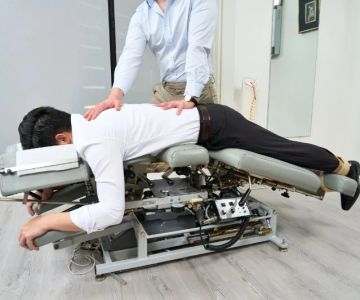
- Specific Chiropractic Techniques for Sinus Relief - Targeting Key Areas
- Complementary Approaches - Combining Chiropractic with Lifestyle Changes
- Case Studies - Real Patients and Their Experiences
- Warning Signs and When to See a Doctor - Ensuring Safety
- Choosing the Right Chiropractor - What to Look For
- Long-Term Management Strategies - Preventing Recurring Headaches
- Enhancing Your Results - Tips for At-Home Relief and Maintenance
Understanding Sinus Headaches - Causes and Symptoms
Sinus headaches occur when the sinuses, which are air-filled cavities in the skull, become inflamed or congested due to infections, allergies, or structural issues. This inflammation increases pressure in the sinus passages, often causing a throbbing or pulsating pain around the forehead, cheeks, and behind the eyes.
Symptoms commonly associated with sinus headaches include nasal congestion, facial pressure, watery eyes, and sometimes low-grade fever. Recognizing these signs early can help differentiate sinus-related discomfort from other types of headaches.
Underlying Causes of Sinus Pressure
- Allergic reactions: Pollen, dust, and pet dander can inflame sinus tissues.
- Infections: Viral or bacterial infections often lead to acute sinus inflammation.
- Structural issues: Deviated septum or narrow sinus passages can restrict airflow and drainage.
- Environmental factors: Dry air, pollutants, and weather changes can exacerbate sinus discomfort.
How Sinus Headaches Can Mimic Migraines - Recognizing the Differences
Many patients report that their sinus headaches feel almost identical to migraines, making proper diagnosis challenging. While migraines are neurological in nature and often accompanied by nausea, sensitivity to light, and throbbing pain, sinus headaches primarily arise from pressure in the sinus cavities.
Similarities and Differences
- Pain Location: Both types of headaches can cause intense pain around the eyes and forehead.
- Triggers: Stress, dehydration, and hormonal changes can trigger migraines, while sinus headaches are more likely triggered by infections or allergens.
- Duration: Sinus headaches often persist until the underlying sinus issue resolves, whereas migraines may come in cycles lasting hours to days.
The Role of Chiropractic Care - How Adjustments May Help
Chiropractic care is widely recognized for addressing musculoskeletal issues, but it can also play a supportive role in relieving sinus headaches that feel like migraines. By improving spinal alignment, promoting better posture, and enhancing nervous system function, chiropractic adjustments may reduce sinus pressure and improve drainage.
How Alignment Affects Sinus Health
Misalignment in the cervical spine can impact nerve function and blood flow to the head and sinuses. Chiropractic adjustments aim to restore proper alignment, potentially reducing tension in the head and neck muscles and easing sinus congestion.
Addressing Muscle Tension
Tight muscles in the neck, jaw, and upper back can exacerbate sinus pressure and headache intensity. Chiropractors use targeted adjustments and soft tissue techniques to relieve tension and promote better circulation, which may alleviate migraine-like sinus symptoms.
Specific Chiropractic Techniques for Sinus Relief - Targeting Key Areas
Different chiropractic methods can help with sinus headache relief. These include:
- Cervical Spine Adjustments: Realigning the neck to improve nerve function and blood flow.
- Upper Thoracic Adjustments: Reducing tension in the upper back that may affect head pressure.
- Soft Tissue Therapy: Releasing tight muscles in the neck, jaw, and shoulders.
- Sinus Drainage Techniques: Specialized manipulations that encourage sinus fluid movement.
- Posture Correction: Guidance on ergonomic adjustments to prevent future headaches.
Complementary Approaches - Combining Chiropractic with Lifestyle Changes
While chiropractic care can be highly effective, combining it with lifestyle adjustments often yields the best results. Recommendations include:
- Staying hydrated to thin sinus mucus.
- Using humidifiers to maintain nasal moisture.
- Avoiding known allergens whenever possible.
- Practicing gentle neck stretches to relieve tension.
- Maintaining a healthy diet and regular exercise to support overall immunity.
Case Studies - Real Patients and Their Experiences
Consider Sarah, a 34-year-old office worker who experienced severe sinus headaches that felt like migraines during allergy season. After several months of recurring pain, she sought chiropractic care at ChiroScope. Through a combination of cervical adjustments, soft tissue therapy, and posture training, Sarah reported a noticeable reduction in headache frequency and intensity within six weeks.
Similarly, David, a 45-year-old construction worker, suffered from migraine-like sinus pressure due to chronic nasal congestion. Chiropractic care combined with lifestyle adjustments, such as using a humidifier and daily stretching, significantly improved his comfort and reduced reliance on over-the-counter medications.
Warning Signs and When to See a Doctor - Ensuring Safety
While chiropractic care can help with sinus headaches, it's important to seek medical attention if you experience:
- Severe or sudden headache that is different from previous headaches.
- Fever, vision changes, or neurological symptoms.
- Persistent headaches not relieved by chiropractic or home measures.
- Suspected sinus infection requiring medical treatment.
Consulting with a primary care physician or ENT specialist ensures that more serious conditions are ruled out.
Choosing the Right Chiropractor - What to Look For
Selecting a chiropractor experienced in headache and sinus care is essential. Look for:
- Credentials and certifications in neurology or musculoskeletal care.
- Experience in treating sinus-related headaches.
- Patient testimonials or reviews highlighting headache relief.
- A personalized treatment plan rather than a one-size-fits-all approach.
ChiroScope offers resources and guidance to connect patients with skilled practitioners who specialize in holistic headache management.
Long-Term Management Strategies - Preventing Recurring Headaches
Preventing sinus headaches from recurring requires ongoing attention. Strategies include:
- Regular chiropractic visits to maintain spinal alignment.
- Seasonal adjustments in routines to address allergies and environmental triggers.
- Consistent hydration and proper nutrition to support sinus health.
- Monitoring posture, especially for prolonged computer or phone use.
- Incorporating stress management techniques such as meditation or yoga.
Enhancing Your Results - Tips for At-Home Relief and Maintenance
Beyond professional chiropractic care, several at-home measures can improve outcomes for sinus headache relief:
- Warm compresses applied to the face to reduce sinus pressure.
- Gentle sinus massage along the bridge of the nose and cheeks.
- Steam inhalation to open sinus passages.
- Maintaining consistent sleep patterns to reduce headache triggers.
- Tracking headache patterns to identify and avoid triggers.
By combining professional chiropractic care, lifestyle adjustments, and at-home strategies, many individuals find significant relief from sinus headaches that feel like migraines.
For more resources and expert guidance on holistic headache care, visit ChiroScope to explore recommended products, techniques, and practitioner services tailored to your needs.




 Valley Natural Health: David M. Coonrad, DC, Hailey D. Coonrad, DC5.0 (58 reviews)
 Wise Chiropractic, LLC5.0 (52 reviews)
 David Simpson Chiropractic5.0 (78 reviews)
 Mid-Atlantic Brain and Neurological Rehabilitation4.0 (28 reviews)
 Hildebrand Chiropractic4.0 (75 reviews)
 Pimentel Jason DC4.0 (17 reviews)
 How Chiropractic for Headaches Can Improve Your Daily Life
 What Causes Posture Correction and How Chiropractors Treat It | Posture Health
 Chiropractic for Reducing Post-Accident Pain and Enhancing Recovery
 What Causes Chiropractic Adjustments and How Chiropractors Treat It – Understanding Chiropractic Care
 Chiropractic Approaches to Managing Knee Pain and Joint Issues - A Holistic Solution
 The Truth About Chiropractic for Seniors and What Chiropractors Recommend