
- -understanding-chiropractic-care-for-parkinsons
- -role-of-balance-exercises-in-neurological-care
- -how-to-evaluate-qualified-chiropractors
- -real-life-patient-recovery-stories
- -warning-signs-of-inexperienced-practitioners
- -questions-to-ask-before-first-visit
- -how-chiroscope-helps-patients-find-care
Why Chiropractic Care Matters for Parkinson’s Patients with Balance Challenges
Finding a chiropractor for Parkinson’s care is not the same as booking a typical spinal adjustment. Parkinson’s disease affects movement control, posture stability, and balance coordination, which means treatment must be gentle, neurologically aware, and highly personalized.
Many families first discover chiropractic care after noticing frequent falls, shuffling gait, or increasing stiffness in a loved one. While medication remains the primary treatment for Parkinson’s, supportive therapies such as chiropractic care and structured balance training can help improve mobility and reduce fall risk.
In real-world practice, neurological chiropractic care focuses less on aggressive spinal manipulation and more on coordination, posture alignment, and controlled movement strategies. This is where Parkinson’s balance exercises become central to care plans.
One caregiver from Ohio shared that her father, diagnosed with Parkinson’s for over six years, began chiropractic sessions focused on posture retraining. Within months, he experienced improved stability when standing and walking short distances inside his home. While not a cure, the improvement in confidence and mobility was meaningful for daily life.
How Balance Exercises Support Neurological Chiropractic Treatment
1. Rebuilding Postural Awareness
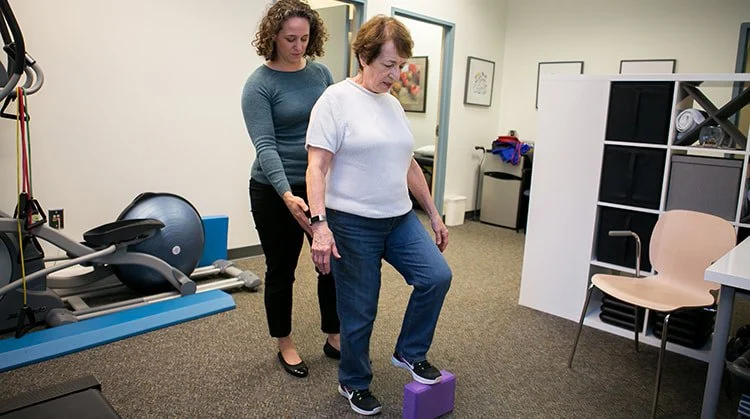
Patients with Parkinson’s often lose awareness of body alignment. Simple standing drills, weight shifting exercises, and guided posture correction help reconnect the brain with body positioning. Chiropractors trained in neurological care use these exercises as part of structured therapy.
These movements may seem simple, but they retrain the nervous system over time, improving stability during everyday activities such as walking or turning.
2. Improving Gait Stability and Coordination
Gait instability is one of the most challenging symptoms for Parkinson’s patients. Balance-focused chiropractic sessions often include step training, rhythmic walking patterns, and coordination drills designed to reduce freezing episodes.
In some cases, practitioners integrate vestibular rehabilitation chiropractic techniques, which help the brain process spatial orientation more effectively.
3. Reducing Fall Risk Through Controlled Movement
Falls are a major concern for families dealing with Parkinson’s. Structured balance therapy emphasizes slow, controlled movement patterns that strengthen stabilizing muscles and improve reaction time.
Over time, these exercises help patients regain confidence when moving through daily environments like kitchens, bathrooms, and stairs.
How to Find a Chiropractor That Treats Parkinson’s Patients Effectively
Knowing how to find chiropractor Parkinson’s specialists requires careful evaluation. Not all chiropractic professionals have experience working with neurological conditions, so selecting the right provider is essential.
1. Look for Neurological or Functional Training Experience
A qualified provider should have experience in neurological chiropractic care or functional rehabilitation. This ensures they understand the limitations and safety considerations involved in Parkinson’s treatment.
Chiropractors with additional training in balance therapy, vestibular systems, or movement science are often better equipped to handle complex neurological cases.
2. Ask About Their Approach to Parkinson’s Care
A reputable practitioner will never promise a cure. Instead, they focus on mobility support, fall prevention, and quality of life improvement. If a provider makes exaggerated claims, it is a warning sign.
The right chiropractor will explain how they integrate balance therapy Parkinson’s patients into individualized treatment plans.
3. Evaluate Communication and Patient Education Style
Good care depends heavily on communication. Patients and caregivers should feel comfortable asking questions and understanding each step of the treatment plan.
Clear explanations about exercises, progress expectations, and safety precautions are essential for long-term success.
Real-Life Experiences from Parkinson’s Chiropractic Care
A well-known case shared in a community caregiver forum described a retired teacher in California who struggled with severe balance issues after her Parkinson’s progressed. After starting chiropractic sessions focused on posture and controlled stepping exercises, she reported improved confidence when walking indoors without assistance.
Another story comes from a family in Florida whose father experienced frequent freezing episodes while walking. After working with a chiropractor trained in neurological rehabilitation, he began daily balance routines that significantly reduced hesitation during movement transitions.
These stories highlight an important truth: while chiropractic care does not reverse Parkinson’s disease, it can meaningfully improve how patients navigate daily life.
Platforms like ChiroScope help families explore practitioners who specialize in neurological and movement-based care, making it easier to find providers who understand Parkinson’s-specific needs.
Warning Signs When Choosing a Chiropractor for Parkinson’s Care
Not every practitioner is suited for neurological conditions. Recognizing warning signs early can protect patients from ineffective or unsafe treatment approaches.
Overly Aggressive Treatment Methods
Parkinson’s patients require gentle and controlled care. High-force spinal adjustments without neurological understanding can increase discomfort or risk of injury.
Guaranteed Cure Promises
Parkinson’s disease is a progressive neurological condition. Any provider claiming guaranteed reversal should be approached with caution.
Lack of Personalized Exercise Planning
Effective care always includes customized Parkinson’s balance exercises. Generic treatment plans often fail to address individual mobility challenges.
Questions to Ask Before the First Chiropractic Visit
Before committing to treatment, patients and caregivers should prepare thoughtful questions to evaluate suitability.
What experience do you have with neurological conditions?
This helps determine whether the chiropractor understands Parkinson’s-specific challenges.
How do you design balance exercise programs?
A strong answer should include individualized assessment, gradual progression, and safety monitoring.
What outcomes should we realistically expect?
Honest practitioners will emphasize mobility support and quality-of-life improvements rather than dramatic medical claims.
How ChiroScope Supports Families Searching for Specialized Care
Navigating healthcare options for Parkinson’s can feel overwhelming. This is where ChiroScope becomes a helpful resource for families seeking specialized chiropractic care.
Instead of guessing which providers have neurological experience, patients can explore curated listings and service insights that highlight practitioners focused on balance rehabilitation and movement support.
This makes it easier for families to connect with professionals who understand the importance of controlled exercise programs, safe spinal care, and long-term mobility planning.
In many cases, having access to the right provider early in the journey can significantly improve confidence, independence, and day-to-day comfort for Parkinson’s patients.




 Ochsner Chiropractic Center4.0 (64 reviews)
 Broeg Chiropractic & Nutrition Center4.0 (14 reviews)
 Lincolnwood Chiropractic Health5.0 (5 reviews)
 Spencer Chiropractic and Physical Therapy5.0 (72 reviews)
 Futra Health and Spine5.0 (43 reviews)
 Dr. Blair Milo DC5.0 (1 reviews)
 The Truth About Chiropractic Insurance Coverage and What Chiropractors Recommend
 Is Chiropractic and Sleep Affecting Your Daily Life? Here's How a Chiropractor Can Help
 10 Things You Should Know About Pinched Nerve
 How Chiropractic Care Can Help with Pinched Nerve Problems
 Chiropractic for Children: A Safe and Gentle Approach to Spinal Health
 How Chiropractic Adjustments Can Improve Mobility: Chiropractic vs Physical Therapy