

A Parent’s Story: My Child’s Asthma Symptoms Improved After Regular Chiropractic Care
- parent-personal-experience-asthma-chiropractic - A family’s journey managing childhood asthma symptoms over time
- understanding-chiropractic-care-for-children - How spinal alignment and nervous system function are discussed in holistic care
- symptom-changes-and-daily-observations - What improved breathing and reduced flare-ups looked like in daily life
- medical-perspective-and-balanced-view - How professionals interpret chiropractic care in relation to asthma
- holistic-support-and-family-decision-making - Why parents explore complementary approaches alongside conventional care
When a Parent Starts Looking Beyond Traditional Answers
Every parent of a child with asthma understands the unpredictability of the condition. One week feels manageable, and the next brings coughing fits, sleepless nights, and emergency inhaler use. This is the environment where many families begin searching for additional support beyond standard treatment plans.
In this parent’s story, the journey began after years of relying on medication alone. While inhalers and prescriptions helped control severe episodes, they didn’t fully eliminate frequent flare-ups triggered by weather changes, exercise, or even seasonal allergies. That constant uncertainty led the family to explore complementary wellness approaches, eventually discovering chiropractic care.
This is not an uncommon path. Many families dealing with chronic childhood conditions begin looking into holistic options when they feel they have reached a plateau with conventional care. The decision is often emotional, driven by concern, hope, and the desire to improve daily quality of life.
Discovering Chiropractic Care and Its Proposed Role
When the family first heard about chiropractic care for asthma, they were skeptical. Chiropractic treatment is typically associated with spinal alignment and musculoskeletal health, not respiratory conditions. However, some practitioners suggest that the nervous system, which is closely connected to spinal function, may influence overall body regulation, including breathing patterns.
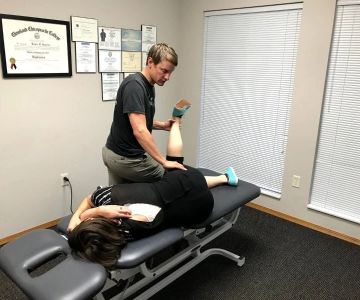
The child in this story began seeing a licensed pediatric chiropractor regularly. The sessions focused on gentle adjustments designed specifically for children, avoiding forceful techniques and emphasizing comfort and safety.
Over time, the parents began noticing subtle changes. These weren’t dramatic overnight improvements but gradual shifts in how often symptoms appeared and how severe they became.
Daily Changes a Parent Noticed Over Time
One of the most meaningful aspects of this story is not a single breakthrough moment, but a series of small observations that accumulated over weeks and months.
More Stable Breathing Patterns
The parent noticed that their child’s breathing seemed more consistent during sleep. Nighttime coughing episodes, which had previously disrupted rest multiple times a week, became less frequent.
Improved Activity Tolerance
Before chiropractic visits, the child often avoided physical play due to fear of triggering symptoms. Gradually, they began participating more confidently in school sports and outdoor activities.
Reduced Stress During Flare-Ups
Even when symptoms did appear, the child appeared calmer and recovered more quickly. The parent described this as one of the most encouraging signs, suggesting a potential improvement in how the body responded to triggers.
Understanding the Possible Connection Between Spine and Breathing
From a professional standpoint, the relationship between pediatric chiropractic benefits and asthma symptoms is still a subject of discussion rather than established medical consensus. Chiropractors often focus on the idea that spinal alignment may influence nervous system communication, which in turn could affect muscular tension and breathing mechanics.
The rib cage, diaphragm, and surrounding muscles all play a role in respiration. If tension or restricted movement is present in these areas, some practitioners believe it could contribute to inefficient breathing patterns. Chiropractic adjustments aim to reduce such restrictions.
However, it is important to understand that chiropractic care is considered complementary, not a replacement for asthma medication or medical supervision. Families who explore this route typically do so alongside ongoing care from pediatricians or pulmonologists.
A Balanced Medical Perspective
Doctors and respiratory specialists generally emphasize that asthma is a chronic inflammatory condition requiring evidence-based medical management. While some patients report improvements in comfort or mobility when adding chiropractic care, clinical research on asthma symptom reversal through spinal adjustments remains limited.
That said, many healthcare professionals support a holistic approach when it is safe and does not interfere with prescribed treatments. This includes proper medication adherence, trigger management, breathing exercises, and in some cases, supportive therapies such as chiropractic care.
The key message from most professionals is balance: families should avoid replacing proven treatments while exploring supportive methods thoughtfully and under medical guidance.
Emotional Impact on the Family
Beyond physical symptoms, this parent’s story highlights an often-overlooked aspect of chronic childhood illness: emotional stress. Watching a child struggle to breathe, even briefly, can be deeply distressing.
As symptoms became less frequent, the entire household dynamic shifted. Nights became calmer, school attendance improved, and anxiety around sudden attacks began to ease.
The parent described a renewed sense of confidence in managing the condition—not because asthma disappeared, but because it felt more predictable and less overwhelming.
Why Families Explore Holistic Support Options
Families often turn to complementary approaches like chiropractic care when they are seeking additional layers of support. This does not always mean dissatisfaction with medical treatment; instead, it reflects a desire to improve overall wellness.
In this case, the decision was influenced by conversations with other parents, online discussions, and wellness-focused communities. Gradually, chiropractic care became part of a broader lifestyle adjustment that included diet awareness, allergy management, and improved sleep routines.
For families exploring similar paths, platforms like ChiroScope are often used to find more information about supportive wellness options and professional care providers.
What This Story Does and Does Not Claim
It is important to approach this type of experience with clarity. This is a personal account of symptom improvement observed over time, not a scientific guarantee or universal outcome.
While some children may experience changes in symptom frequency or severity, others may not notice any difference. Asthma is influenced by many factors including genetics, environment, allergens, and medical treatment adherence.
What makes this story meaningful is not the promise of a cure, but the exploration of additional supportive care that contributed to a better daily experience for one family.
Reflections From the Parent’s Journey
Looking back, the parent describes the decision to try chiropractic care as cautious but hopeful. It was not a replacement for medical treatment but an addition to a broader care plan.
Over time, the family learned to pay closer attention to subtle improvements rather than expecting dramatic change. That shift in mindset helped them appreciate gradual progress and reduced daily stress around asthma management.
For families in similar situations, the key takeaway is the importance of informed decision-making, open communication with healthcare providers, and realistic expectations when exploring complementary care options.
The story ultimately reflects a journey of observation, patience, and adaptation—one that many parents navigating chronic childhood conditions may find familiar.





 Rehab Lab Wisconsin-MKE5.0 (11 reviews)
 PA Pain and Rehab - Center City5.0 (9 reviews)
 Reul Chiropractic4.0 (43 reviews)
 Renewed Balance Health & Wellness Center, S.C.5.0 (24 reviews)
 Dr. Walter E. Mendoza Chiropractic P.C.4.0 (67 reviews)
 Queens Chiropractic Pc4.0 (7 reviews)
 Expert Tips for Managing Sciatica Treatment Naturally with Chiropractic Care
 How Chiropractors Help With Chiropractic Myths and Why It Works
 Top Questions About Sciatica Treatment Answered by Chiropractors
 What Causes Herniated Disc Care and How Chiropractors Treat It
 Chiropractic for Better Sleep: How Adjustments Can Improve Your Sleep Quality
 What Causes Spinal Alignment and How Chiropractors Treat It