
Understanding Chiropractic Adjustments for Scoliosis and Their Frequency
- 1-what-is-chiropractic-adjustment-for-scoliosis
- 2-how-chiropractic-adjustments-work
- 3-benefits-of-regular-adjustments
- 4-how-often-adjustments-are-needed
- 5-personalized-treatment-plans
- 6-real-life-examples-and-stories
- 7-tips-for-choosing-a-chiropractor
- 8-further-resources-and-guidance
1. What is a Chiropractic Adjustment for Scoliosis?
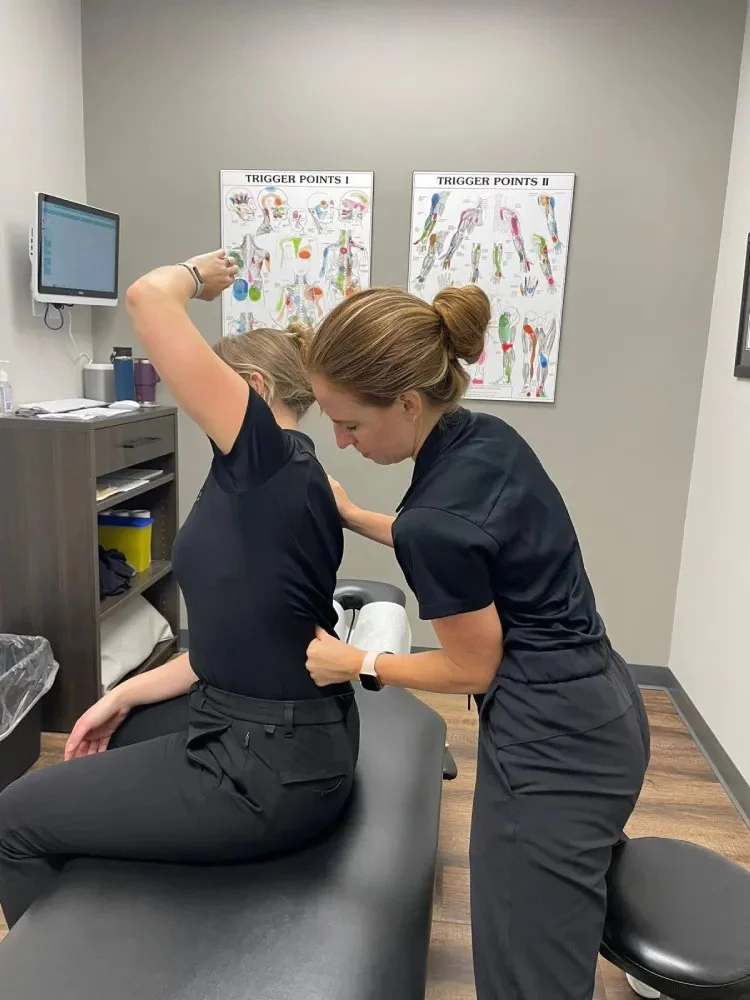
A chiropractic adjustment for scoliosis is a therapeutic procedure aimed at improving spinal alignment and reducing discomfort associated with the abnormal curvature of the spine. Unlike standard chiropractic care, scoliosis adjustments are specifically tailored to the unique curve pattern of each patient.
1.1 Targeted Approach
Chiropractors use specialized techniques to manipulate vertebrae, promote proper alignment, and enhance mobility. These adjustments focus not only on the curved areas but also on compensatory regions that experience extra stress.
1.2 Complementary Therapy
Chiropractic adjustments are often combined with physical therapy, strengthening exercises, and lifestyle modifications to optimize scoliosis management, improve posture, and reduce long-term progression of spinal curves.
2. How Chiropractic Adjustments Work
The process of a chiropractic adjustment involves precise hand or instrument-assisted movements designed to restore motion to restricted spinal joints. For scoliosis patients, this means addressing asymmetrical pressures on the vertebrae.
2.1 Spinal Mobilization
By gently mobilizing restricted spinal segments, chiropractors help reduce tension in muscles and ligaments surrounding the curve, which can relieve discomfort and enhance overall mobility.
2.2 Neurological Benefits
Chiropractic adjustments may also improve communication between the brain and spinal cord, potentially enhancing posture control and functional movement in scoliosis patients.
3. Benefits of Regular Adjustments
Consistent chiropractic care can offer multiple benefits for scoliosis management, particularly when paired with a holistic treatment plan.
3.1 Pain Reduction
Regular adjustments can relieve chronic back pain, reduce muscle tension, and improve flexibility, making daily activities more comfortable for scoliosis patients.
3.2 Improved Posture and Alignment
By targeting misaligned vertebrae and supporting muscular balance, chiropractic care can enhance overall posture and prevent secondary complications related to scoliosis.
3.3 Enhanced Mobility
Many patients report improved range of motion and easier movement after sustained chiropractic therapy, supporting better quality of life.
4. How Often Are Adjustments Needed?
The frequency of chiropractic adjustments for scoliosis varies depending on the severity of the curve, age, and individual response to treatment.
4.1 Initial Intensive Phase
Many chiropractors recommend an initial intensive phase, which may include 2–3 sessions per week for the first 4–6 weeks. This phase focuses on restoring spinal mobility and addressing acute discomfort.
4.2 Maintenance Phase
Once improvements are noted, treatment may transition to a maintenance phase with adjustments scheduled weekly or biweekly. This phase helps sustain alignment and prevents regression of spinal curves.
4.3 Individual Considerations
Children and adolescents with progressive scoliosis may require more frequent monitoring, while adults often benefit from less frequent but consistent adjustments to manage discomfort and prevent degeneration.
5. Personalized Treatment Plans
Each scoliosis patient is unique, making personalized chiropractic plans essential.
5.1 Comprehensive Assessment
Chiropractors at ChiroScope perform thorough assessments including posture analysis, X-rays, and functional evaluations to determine the best adjustment strategy.
5.2 Customized Exercise Programs
Chiropractic adjustments are often paired with tailored exercises that strengthen core muscles, improve spinal stability, and support long-term scoliosis management.
6. Real-Life Examples and Stories
Learning from real patients helps illustrate the benefits and limitations of chiropractic care for scoliosis.
6.1 Adolescent Case Study
A 14-year-old patient with a moderate thoracic curve reported reduced pain and improved posture after 12 weeks of bi-weekly chiropractic adjustments combined with targeted core exercises.
6.2 Adult Experience
An adult with a mild lumbar curve experienced improved mobility and less back stiffness after incorporating monthly chiropractic sessions into a broader wellness routine, demonstrating the benefits of long-term care.
7. Tips for Choosing a Chiropractor
Selecting a skilled chiropractor is crucial for effective scoliosis management.
7.1 Check Credentials
Ensure the chiropractor is licensed and experienced in treating scoliosis, and inquire about specialized training in spinal deformity care.
7.2 Seek Patient Testimonials
Reading reviews and speaking with past patients can provide insights into the chiropractor’s approach, effectiveness, and patient care philosophy.
7.3 Consult ChiroScope for Recommendations
ChiroScope provides curated resources and expert guidance to help patients find trusted chiropractors and develop a treatment plan tailored to their needs.
8. Further Resources and Guidance
For those seeking to learn more about chiropractic adjustments for scoliosis, consult reputable sources, professional associations, and specialized care providers. Staying informed ensures safer, more effective treatment and supports long-term spinal health.
8.1 Educational Articles and Guides
Access online educational content to understand the nuances of scoliosis care, adjustment techniques, and complementary therapies.
8.2 Support Groups and Community Resources
Engaging with scoliosis support groups can provide encouragement, shared experiences, and practical advice for managing spinal health effectively.
8.3 Professional Consultation
Work closely with professionals at ChiroScope to develop a treatment plan that matches your unique spinal profile, ensuring consistent and safe scoliosis care.





 Body Intelligent Center5.0 (35 reviews)
 Cimato Chiropractic Center4.0 (15 reviews)
 ET Chiropractic5.0 (57 reviews)
 Ryan Chiropractic & Wellness5.0 (76 reviews)
 Matthew J. Ritter, DC5.0 (3 reviews)
 Lynnwood Total Care Clinic | Dr. Hyunjun Kim5.0 (9 reviews)
 How Chiropractors Help With Chiropractic Side Effects and Why It Works
 What is the Difference Between Chiropractic Adjustment and Joint Mobilization?
 The Science Behind Chiropractic and How It Compares to Physical Therapy Relief
 Chiropractic Care for Managing Stress and Anxiety in Daily Life: A Natural Solution
 Top Questions About Spinal Alignment Answered by Chiropractors
 Top Questions About Chiropractic and Mental Health Answered by Chiropractors