

Understanding Two Common Pain Relief Approaches That Often Get Confused
- chiropractic vs dry needling - core differences in philosophy and method
- what is chiropractic care - spinal alignment and nervous system focus
- dry needling therapy explained - trigger point muscle release technique
- muscle pain treatment options - when each approach is used
- real patient experiences - recovery timelines and outcomes
People often search for solutions to back pain, neck stiffness, or stubborn muscle tightness and quickly come across two popular treatments: chiropractic care and dry needling. At first glance, they may seem similar because both aim to relieve pain without surgery or heavy medication. However, the difference between chiropractic and dry needling becomes much clearer once you understand how each one approaches the human body.
One focuses on the structure of the spine and nervous system, while the other targets tight muscle fibers directly. That distinction shapes everything—from how treatment feels to how results develop over time.
What Chiropractic Care Actually Focuses On
To understand what is chiropractic care, it helps to imagine the body as a connected mechanical and neurological system. Chiropractors primarily focus on spinal alignment and how the spine affects nerve communication throughout the body.
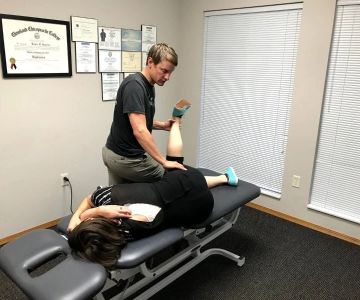
A common chiropractic technique is spinal adjustment therapy, where controlled pressure is applied to joints that are restricted or misaligned. The goal is not just to reduce pain, but to improve mobility and restore proper nervous system function.
For example, a patient with chronic lower back pain caused by long hours at a desk might experience stiffness due to spinal misalignment. Chiropractic adjustments aim to restore balance, which can reduce nerve irritation and improve overall movement.
Many patients report a feeling of immediate relief after an adjustment, though full recovery often depends on posture correction, lifestyle changes, and multiple sessions.
Dry Needling Explained in Simple Terms
Dry needling therapy explained in the simplest way involves using very thin, sterile needles to target trigger points inside tight muscles. These trigger points are often the source of persistent pain, stiffness, or restricted movement.
Unlike acupuncture, which is based on traditional energy pathways, dry needling is rooted in modern musculoskeletal science. It directly targets muscle knots that fail to relax on their own.
When the needle enters a trigger point, the muscle may twitch briefly before relaxing. That response helps release tension, improve blood flow, and reduce pain signals in the affected area.
A runner with recurring calf tightness, for instance, may benefit from dry needling because it addresses localized muscle overload rather than spinal alignment issues.
Chiropractic vs Dry Needling: How They Differ in Practice
The chiropractic vs dry needling comparison becomes clearer when you break it down into three key dimensions: treatment focus, technique, and outcome timeline.
1. Treatment Focus
Chiropractic care focuses on the spine, joints, and nervous system. Dry needling focuses on muscle tissue and trigger points. One addresses structural alignment, while the other targets soft tissue dysfunction.
2. Technique Used
Chiropractors use manual adjustments, mobilization, and controlled physical pressure. Dry needling uses thin needles inserted into specific muscle points to release tension.
3. Results and Recovery
Chiropractic results often build over several sessions as alignment improves. Dry needling may provide quicker relief for localized muscle tightness but often requires multiple treatments for long-term stability.
A Real-World Case That Shows the Difference Clearly
A patient working in tech once shared their experience dealing with chronic shoulder and neck pain. Initially, they assumed it was purely muscle tension from stress and tried massage therapy with limited success.
Later, they explored dry needling and felt immediate relief in their upper traps. However, the pain kept returning after long workdays. A chiropractor later identified that poor spinal alignment and forward head posture were contributing to the recurring issue.
By combining spinal adjustment therapy with posture correction exercises, the patient experienced longer-lasting improvement. This case highlights an important insight: sometimes the best results come from understanding whether the root cause is muscular, structural, or both.
When Chiropractic Care Makes More Sense
Chiropractic care is often recommended when pain is related to joint stiffness, spinal misalignment, posture issues, or nerve-related discomfort. It is especially relevant for people who sit long hours, experience recurring lower back pain, or have limited spinal mobility.
Many patients also choose chiropractic care as part of a long-term wellness routine, not just for pain relief but for maintaining better movement quality and preventing future issues.
When Dry Needling Becomes the Better Option
Dry needling is often more effective when pain is localized to specific muscle groups. This includes sports injuries, repetitive strain conditions, or deep muscle knots that do not respond well to stretching or massage.
Athletes, in particular, benefit from trigger point dry needling because it helps restore muscle function quickly after intense training cycles.
However, it works best when combined with stretching, strengthening exercises, and proper movement habits rather than used as a standalone solution.
Combining Both Approaches for Better Results
In modern rehabilitation settings, it is increasingly common to combine chiropractic care with dry needling. This integrated approach addresses both structural alignment and muscular tension at the same time.
For example, a patient with chronic lower back pain may receive spinal adjustments to improve alignment while also undergoing dry needling to release deep muscle tension in the surrounding area.
This combination often leads to more stable and longer-lasting outcomes compared to using either method alone.
Choosing the Right Path for Your Pain
Understanding the difference between chiropractic and dry needling helps patients make more informed decisions about their health. Instead of guessing, it becomes easier to identify whether the problem is more structural or muscular in nature.
At ChiroScope, many patients explore both options through guided assessments that help match treatment to their specific condition. This approach avoids trial-and-error and focuses on targeted recovery strategies.
If pain has been persistent or keeps returning despite temporary relief methods, it may be time to look deeper into the root cause rather than just the symptoms. Choosing the right treatment path can significantly change the speed and quality of recovery.





 Body Intelligent Center5.0 (35 reviews)
 Cimato Chiropractic Center4.0 (15 reviews)
 ET Chiropractic5.0 (57 reviews)
 Ryan Chiropractic & Wellness5.0 (76 reviews)
 Matthew J. Ritter, DC5.0 (3 reviews)
 Lynnwood Total Care Clinic | Dr. Hyunjun Kim5.0 (9 reviews)
 How Chiropractors Help With Chiropractic Side Effects and Why It Works
 What is the Difference Between Chiropractic Adjustment and Joint Mobilization?
 The Science Behind Chiropractic and How It Compares to Physical Therapy Relief
 Chiropractic Care for Managing Stress and Anxiety in Daily Life: A Natural Solution
 Top Questions About Spinal Alignment Answered by Chiropractors
 Top Questions About Chiropractic and Mental Health Answered by Chiropractors