

- 1-Understanding-Parkinsons-and-Balance-Challenges
- 2-Role-of-Chiropractic-Care-for-Parkinsons
- 3-Key-Balance-Exercises-for-Parkinsons-Patients
- 4-Criteria-for-Selecting-the-Right-Chiropractor
- 5-Researching-Specialized-Chiropractors
- 6-Consultation-and-Assessment-Process
- 7-Treatment-Planning-and-Personalized-Approaches
- 8-Patient-Experience-and-Feedback
- 9-Collaborative-Care-with-Other-Health-Professionals
- 10-Real-Life-Success-Stories
- 11-Final-Advice-and-Recommended-Resources
1. Understanding Parkinson’s and Balance Challenges
Parkinson’s disease is a progressive neurological disorder that affects motor control, coordination, and balance. As the disease advances, patients often experience tremors, muscle stiffness, and postural instability, increasing the risk of falls. Understanding these challenges is crucial for identifying therapeutic interventions that improve mobility and safety.
Balance deficits in Parkinson’s patients are linked to both neurological changes and musculoskeletal imbalances, which can be addressed through targeted chiropractic and rehabilitative exercises.
2. Role of Chiropractic Care for Parkinson’s
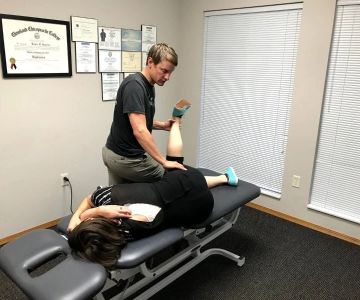
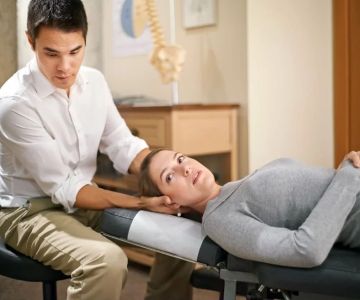
Chiropractic care for Parkinson’s patients focuses on optimizing musculoskeletal function, reducing tension, and supporting neurological pathways that control movement. Chiropractors trained in neurologic rehabilitation may integrate:
- Spinal adjustments to improve posture and alignment
- Soft tissue therapies to reduce stiffness and improve mobility
- Neuromuscular re-education and proprioceptive training
- Guidance on balance exercises and fall prevention strategies
This multi-faceted approach aims to enhance stability, mobility, and quality of life for Parkinson’s patients.
3. Key Balance Exercises for Parkinson’s Patients
Effective chiropractic programs often include exercises that challenge balance and coordination:
- Weight shifting and standing balance drills
- Heel-to-toe walking and tandem stance exercises
- Core strengthening routines for trunk stability
- Resistance and stability ball exercises for proprioception
- Dynamic gait and stepping drills
Consistent practice of these exercises, under professional supervision, helps improve equilibrium, reduce fall risk, and maintain independence.
4. Criteria for Selecting the Right Chiropractor
Choosing a chiropractor specialized in Parkinson’s care involves several considerations:
- Certification or training in neurologic rehabilitation
- Experience treating patients with movement disorders
- Comprehensive assessment approach including posture, gait, and balance evaluation
- Ability to design personalized exercise and treatment plans
- Collaborative mindset with physical therapists, neurologists, and primary care providers
Ensuring the chiropractor meets these criteria increases the likelihood of safe and effective outcomes.
5. Researching Specialized Chiropractors
Begin your search by:
- Reviewing professional directories and neurologic chiropractic associations
- Reading online reviews and patient testimonials
- Consulting with support groups or Parkinson’s foundations
- Verifying training, certifications, and years of experience
- Contacting clinics for detailed information on treatment approaches
Thorough research ensures you find a practitioner capable of delivering targeted care and evidence-based interventions.
6. Consultation and Assessment Process
Initial consultation typically includes:
- Detailed medical history and Parkinson’s progression evaluation
- Postural and gait assessment
- Range-of-motion testing and muscle strength analysis
- Identification of balance deficits and fall risks
- Discussion of goals, expectations, and treatment plan options
This assessment forms the foundation for a customized care plan tailored to each patient’s needs.
7. Treatment Planning and Personalized Approaches
Based on the assessment, the chiropractor develops a plan integrating:
- Targeted spinal adjustments to optimize alignment
- Balance and coordination exercises specific to deficits
- Flexibility and strengthening programs
- Home exercise instructions and progress tracking
- Periodic reassessment to adapt the plan as the disease progresses
Personalized treatment ensures patients receive the most relevant interventions for improved stability and safety.
8. Patient Experience and Feedback
Patient testimonials often highlight benefits such as:
- Improved postural control and confidence during walking
- Enhanced balance, reducing the frequency of falls
- Better overall mobility and ease of daily activities
- Feeling supported and understood through tailored chiropractic care
Feedback emphasizes the importance of specialized care for Parkinson’s patients to maximize outcomes.
9. Collaborative Care with Other Health Professionals
Optimal care often involves collaboration between chiropractors, physical therapists, occupational therapists, and neurologists. Coordination ensures:
- Consistency in exercise and rehabilitation strategies
- Monitoring of disease progression and medication interactions
- Comprehensive fall prevention and safety planning
- Holistic support for patient well-being and independence
10. Real-Life Success Stories
One patient in New York improved gait stability and reduced falls through a program combining chiropractic adjustments and daily balance exercises. Another patient in California, initially hesitant, gained confidence walking independently after four months of integrated chiropractic and exercise therapy. These examples demonstrate the tangible benefits of finding a chiropractor skilled in Parkinson’s-specific balance interventions.
11. Final Advice and Recommended Resources
Finding a chiropractor that treats Parkinson’s patients with balance exercises requires research, evaluation, and consultation. For expert guidance, access to specialized practitioners, and comprehensive resources, visit ChiroScope. Utilizing these tools ensures informed decisions, effective therapy, and improved quality of life for Parkinson’s patients seeking balance-focused chiropractic care.



 MAK Chiropractic clinic5.0 (11 reviews)
 Berven Chiropractic5.0 (28 reviews)
 Hands on Health Chiropractic Wellness Center4.0 (41 reviews)
 St. Matthews Chiropractic4.0 (244 reviews)
 Chiropractic Family & Sports Injury Wellness Center4.0 (28 reviews)
 Premier Care Chiropractic4.0 (140 reviews)
 Chiropractic Solutions for Managing Foot Pain and Plantar Fasciitis
 Chiropractic Solutions for Managing Neck and Shoulder Pain | ChiroScope
 Chiropractic for Back Pain Relief: Understanding How It Works
 Expert Tips for Managing Chiropractic Safety Naturally with Chiropractic Care
 How Chiropractic Care Can Solve Your Sleep and Posture Problems
 The Role of Chiropractic in Maintaining Proper Alignment for Pain Relief