
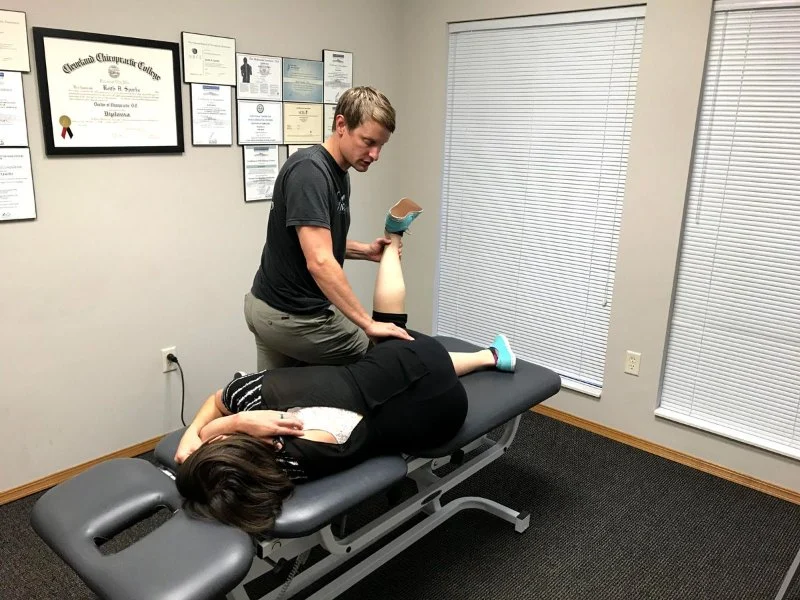
1 - Overview of Chiropractic Care
Chiropractic care is a healthcare discipline that focuses on diagnosing and treating musculoskeletal disorders, particularly those involving the spine. Chiropractors use hands-on spinal manipulation and other manual techniques to improve physical function, alleviate pain, and promote overall wellness.
1.1 Principles of Chiropractic
The core principle behind chiropractic care is that proper alignment of the spine enables the body to heal naturally. Misalignments, known as subluxations, can interfere with nervous system function and contribute to pain or dysfunction.
1.2 Techniques Used in Chiropractic Care
Chiropractors employ a variety of techniques including high-velocity adjustments, mobilization, soft tissue therapy, and supportive exercises. The aim is to restore mobility, reduce inflammation, and improve nervous system function.
2 - Overview of Active Release Technique (ART)
Active Release Technique (ART) is a manual therapy method designed to address soft tissue injuries and dysfunctions. It focuses on identifying and treating adhesions in muscles, tendons, ligaments, fascia, and nerves that may cause pain or limit range of motion.
2.1 How ART Works
During ART sessions, a therapist applies precise pressure while the patient actively moves the affected muscle or joint. This combination of movement and targeted pressure breaks up scar tissue and adhesions, restoring proper tissue function.
2.2 Common Conditions Treated with ART
ART is particularly effective for repetitive strain injuries, sports injuries, tendonitis, carpal tunnel syndrome, and chronic muscle tightness. Athletes often use ART to enhance performance, prevent injury, and expedite recovery.
3 - Key Differences Between Chiropractic and ART
While both chiropractic care and ART aim to alleviate pain and restore function, they differ in approach, focus, and techniques:
3.1 Treatment Focus
Chiropractic primarily focuses on spinal alignment and joint function, whereas ART concentrates on soft tissue structures such as muscles, tendons, and ligaments.
3.2 Methodology
Chiropractic uses manual adjustments, mobilizations, and sometimes adjunct therapies. ART involves actively moving the targeted muscle while applying specific pressure to release adhesions.
3.3 Session Experience
Chiropractic sessions often involve hands-on adjustments with brief assessments of spinal mobility. ART sessions are more interactive, requiring patient participation in specific movements guided by the therapist.
3.4 Benefits
Chiropractic care improves joint mobility, spinal alignment, and overall musculoskeletal health. ART provides targeted relief for muscle adhesions, improves range of motion, and accelerates recovery from soft tissue injuries.
4 - Real-Life Examples and Case Studies
Practical experiences highlight how these treatments differ and complement each other:
4.1 Office Worker with Neck Pain
Sarah, a graphic designer, experienced chronic neck stiffness from long hours at her desk. Chiropractic adjustments helped restore cervical spine alignment, alleviating nerve irritation. Complementary ART sessions addressed tight muscles in her shoulders, improving posture and reducing discomfort.
4.2 Athlete Recovery
John, a professional basketball player, used ART to release adhesions in his hamstrings and calves following a game. Combined with chiropractic spinal alignment, this approach reduced soreness, enhanced mobility, and accelerated recovery for subsequent matches.
4.3 Chronic Back Pain Management
Maria suffered from lower back pain due to prolonged sitting and previous injuries. Regular chiropractic adjustments improved spinal mechanics, while ART sessions focused on releasing tension in supporting muscles, providing significant pain relief and functional improvement.
5 - Choosing the Right Treatment for Your Needs
Deciding between chiropractic care, ART, or a combination depends on individual conditions and goals:
5.1 Assess Your Primary Concern
If joint alignment and spinal mobility are the main issues, chiropractic care may be most beneficial. For muscle adhesions, soft tissue pain, or sports-related injuries, ART may provide targeted relief.
5.2 Consider a Combined Approach
Many patients benefit from integrating both chiropractic adjustments and ART sessions. This holistic approach addresses joint mechanics and soft tissue function, optimizing overall recovery and performance.
5.3 Consult a Licensed Practitioner
Professional evaluation by licensed chiropractors and certified ART therapists ensures accurate diagnosis, appropriate treatment selection, and safe application of techniques. Resources like ChiroScope provide guidance on finding qualified providers.
6 - Benefits of Integrated Chiropractic and ART Care
Combining chiropractic care and ART offers several advantages:
6.1 Comprehensive Pain Relief
Joint and soft tissue issues are addressed simultaneously, resulting in more complete pain management.
6.2 Improved Mobility
ART releases tight muscles while chiropractic restores joint function, enhancing overall range of motion and flexibility.
6.3 Faster Recovery
For athletes or individuals recovering from injuries, integrating both therapies can speed up rehabilitation and reduce recurrence of musculoskeletal issues.
6.4 Preventive Care
Regular sessions help maintain spinal alignment, prevent soft tissue adhesions, and reduce the risk of chronic pain, making it ideal for proactive wellness.
Understanding the difference between chiropractic care and active release technique (ART) empowers individuals to select the most effective treatment for their needs. By assessing joint alignment and soft tissue health, consulting licensed practitioners, and considering integrated care, patients can achieve optimal pain relief, enhanced mobility, and long-term wellness. Explore expert guidance and find recommended practitioners through ChiroScope to tailor a care plan that meets your specific goals.




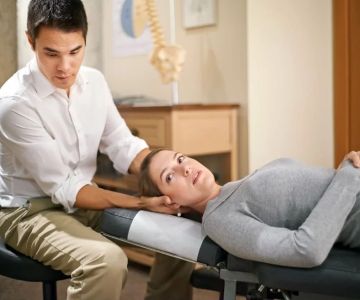

 Southgate Chiropractic5.0 (313 reviews)
 Gregory L. Perea, DC5.0 (21 reviews)
 South Shore Family Chiropractic4.0 (182 reviews)
 The Chiropractors, LLC, Christopher Rebholz, DC5.0 (8 reviews)
 Millard Family Chiropractic & Wellness4.0 (244 reviews)
 Dr. Stacy Stadnik0.0 (0 reviews)
 Top Questions About Sciatica Treatment Answered by Chiropractors
 The Role of Chiropractic Care in Managing Digestive Health Issues
 Expert Tips for Managing Chiropractic Side Effects Naturally with Chiropractic Care
 Top Questions About Ergonomics and Spinal Health Answered by Chiropractors
 Chiropractic Care for Managing Sleep Disorders and Insomnia | ChiroScope
 Best Chiropractic Treatments for Ergonomics and Spinal Health According to Experts