
- understanding-chiropractic-adjustments
- comparing-chiropractic-vs-physical-therapy
- how-chiropractic-adjustments-can-improve-mobility
- case-studies-and-real-user-experiences
- finding-the-right-treatment-for-you
1. Understanding Chiropractic Adjustments
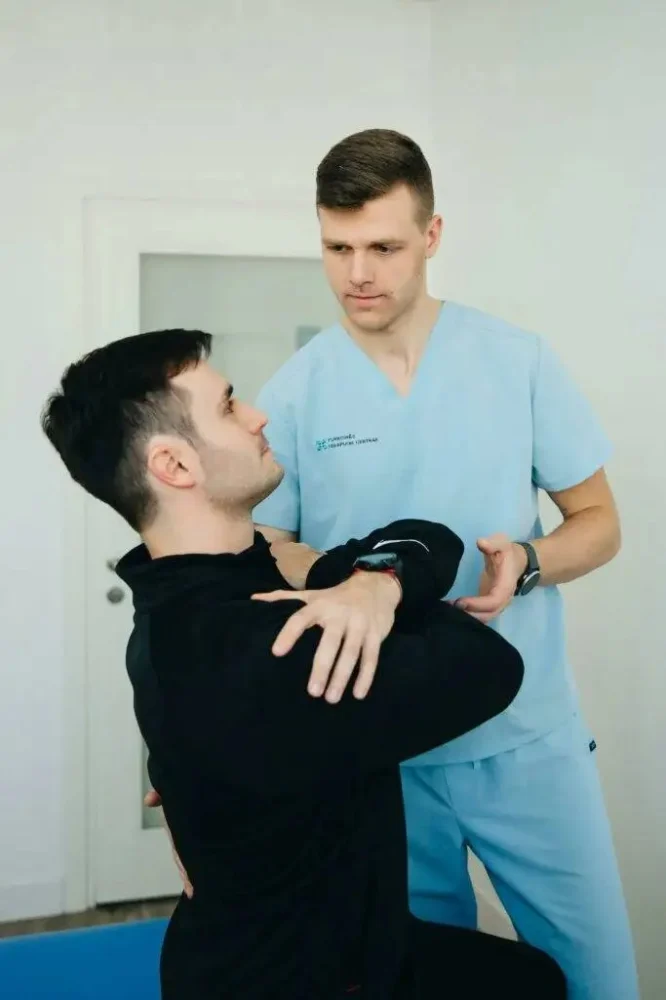
Chiropractic adjustments involve manual manipulation of the spine and joints with the goal of improving alignment, reducing pain, and restoring function. Chiropractors focus on the musculoskeletal and nervous systems, targeting areas of dysfunction that may cause discomfort, headaches, reduced range of motion, or even systemic issues.
A chiropractic session typically includes diagnostic evaluation, palpation, and precise manual techniques. The result? Relief from chronic pain, better posture, and often improved overall health. The philosophy is rooted in the idea that the body can often heal itself when the spine is properly aligned.
At ChiroScope, we connect individuals with verified chiropractors who specialise in tailored adjustment techniques that suit a wide range of needs—from athletes to desk workers and seniors.
2. Comparing Chiropractic vs Physical Therapy
Many people ask: what’s the difference between chiropractic care and physical therapy? While they share common goals—pain relief, mobility, and rehabilitation—they approach healing differently.
2.1 Core Focus of Each Modality
Chiropractic care centres on spinal alignment and the nervous system’s role in regulating body function. Physical therapy, on the other hand, emphasises muscular strength, joint mobility, and functional movement through guided exercise and targeted rehabilitation.
2.2 Treatment Methods and Techniques
Chiropractors use spinal manipulations, traction, and adjustments to correct misalignments. Physical therapists implement therapeutic exercises, soft tissue mobilisation, and ultrasound or electrotherapy to rehabilitate injured or weak muscles.
2.3 Conditions Best Treated by Each
Chiropractic adjustments are often recommended for back pain, neck stiffness, and sciatica, while physical therapy may be more appropriate post-surgery or after a major musculoskeletal injury. However, for many patients, a combined approach proves most effective.
3. How Chiropractic Adjustments Can Improve Mobility
Poor mobility is not just about stiffness—it often reflects deeper imbalances in the spine and nervous system. Chiropractic care aims to correct these imbalances to improve function and reduce strain on muscles and joints.
3.1 Restoring Natural Range of Motion
When spinal joints are misaligned or restricted, it can hinder movement and cause compensations elsewhere in the body. Chiropractic adjustments help “free” these restricted joints, allowing for smoother motion and less discomfort in everyday activities.
3.2 Reducing Inflammation and Muscle Tension
Misaligned vertebrae often lead to muscle tightness and inflammation. By realigning the spine, chiropractors help reduce localised swelling and promote better blood flow, which eases pain and facilitates recovery.
3.3 Supporting Postural Correction
Whether you’re slouched at a desk all day or recovering from sports-related strain, poor posture can lead to long-term dysfunction. Chiropractic care can correct postural misalignments before they evolve into chronic pain patterns.
At ChiroScope, we provide personalised guidance on chiropractic devices and posture-correcting tools that work in harmony with manual adjustments to optimise mobility outcomes.
4. Case Studies and Real User Experiences
One compelling story comes from Darren, a 42-year-old software engineer in Leeds, who suffered from persistent lower back pain due to prolonged sitting. After trying physiotherapy with limited results, he turned to chiropractic adjustments. Within three sessions, his pain levels decreased, and within six, he was able to return to cycling and gym workouts.
In another case, Melissa, a 29-year-old yoga instructor in Brighton, combined chiropractic care with physical therapy following a minor car accident. The chiropractic work relieved her spinal tension, while the physical therapy helped rebuild strength. The synergy between the two modalities proved ideal.
These experiences highlight that there is no one-size-fits-all solution—what matters is understanding what each therapy offers and how it aligns with your specific needs.
5. Finding the Right Treatment for You
The choice between chiropractic care and physical therapy—or a blend of both—should be based on your unique goals, lifestyle, and medical history. Some individuals benefit most from spinal realignment; others require muscle rehabilitation or structured movement retraining.
5.1 Ask the Right Questions
When seeking treatment, ask yourself: Is my discomfort due to joint misalignment or muscle weakness? Am I recovering from surgery or managing chronic strain? Understanding your goals can help guide your decision.
5.2 Trial and Response
Your body’s response to treatment is the best indicator. Sometimes, trying a few chiropractic sessions can clarify if it’s the right path. Likewise, engaging in guided physiotherapy can reveal whether muscle retraining is needed.
5.3 Partner with the Right Providers
Whether you lean toward chiropractic adjustments, physical therapy, or a hybrid approach, working with skilled and communicative practitioners makes all the difference. At ChiroScope, we help users connect with trusted providers and recommend products that support ongoing musculoskeletal health.






 Dr. Nick LeRoy5.0 (15 reviews)
 Kenneth S. Fine, DC4.0 (13 reviews)
 Beyer Chiropractic4.0 (25 reviews)
 Altacare Chiropractic and Rehabilitation5.0 (10 reviews)
 Spine Injury Clinics Chiropractic5.0 (11 reviews)
 Dr. James T. Murphy DC, BSN Chiropractor 5th Street Spine5.0 (132 reviews)
 How Chiropractic Care Helps with Post-Concussion Syndrome Recovery
 How Chiropractic Care Can Help with Pinched Nerve Problems
 Can Chiropractic Care Solve Your Chiropractic Safety Problem?
 Can Chiropractic Care Solve Your Desk Job Posture Problems?
 The Role of Chiropractic in Maintaining Proper Alignment for Pain Relief
 Chiropractic Solutions for Sports-Related Injuries: Prevention and Recovery