

Understanding Chiropractic vs Traditional Chinese Medicine for Pain Relief
- core-differences - How chiropractic and TCM approach pain from completely different philosophies
- treatment-methods - What actually happens during each type of session
- real-world-experiences - Patient stories that highlight outcomes and expectations
- effectiveness-comparison - When one approach may work better than the other
- choosing-the-right-care - How to decide based on symptoms and lifestyle
When people search for chiropractic vs traditional Chinese medicine, they are usually dealing with persistent pain—back pain from long office hours, neck stiffness from phone use, or even chronic discomfort that doesn’t respond well to medication alone. What makes this comparison interesting is that both systems aim to relieve pain, but they come from completely different worldviews.
One focuses on the structure of the body and nervous system alignment, while the other emphasizes energy flow and internal balance. Understanding this difference helps patients make more informed decisions instead of trying treatments blindly.
How Chiropractic Care Approaches Pain
Focus on alignment and musculoskeletal structure
Chiropractic care is based on the idea that pain often originates from misalignments in the spine or joints. These misalignments, sometimes called subluxations, may affect nerve communication and lead to discomfort in different parts of the body.
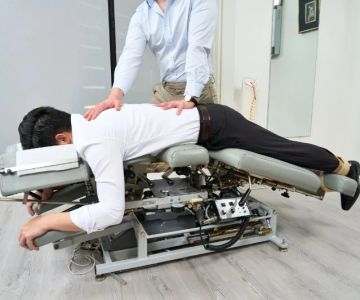
A typical pain relief chiropractic treatment involves manual adjustments. A chiropractor applies controlled force to specific joints, especially in the spine, to restore mobility and reduce pressure on nerves.
What patients usually feel during treatment
Many patients describe a “release” sensation during adjustments, followed by improved range of motion. For example, office workers suffering from lower back stiffness often report immediate relief after a few sessions, although long-term results depend on posture and lifestyle habits.
Real-life example from a desk worker
A software engineer in Seattle once shared that after months of neck pain from working 10-hour coding shifts, chiropractic care helped reduce his headaches significantly. However, he also had to change his workstation setup to maintain results. This highlights an important point: chiropractic care often works best when combined with lifestyle correction.
How Traditional Chinese Medicine Approaches Pain
The concept of energy flow and balance
Traditional Chinese Medicine (TCM) views pain as a disruption in the body's energy flow, often referred to as “Qi.” Instead of focusing only on bones and joints, TCM looks at the entire system—organs, energy channels, and emotional state.
TCM for pain management often includes acupuncture, cupping therapy, herbal medicine, and sometimes dietary adjustments.
What an acupuncture session feels like
During acupuncture, very thin needles are inserted into specific points on the body. Many patients report a light tingling or warmth rather than pain. The goal is to restore balance and encourage the body’s natural healing response.
Real-world example from chronic pain management
A marathon runner in California dealing with recurring knee pain tried acupuncture after physical therapy plateaued. Over several weeks, she noticed reduced inflammation and improved recovery time after runs. Unlike chiropractic care, which targets structure, TCM focused more on reducing internal imbalance and inflammation.
Key Differences Between the Two Approaches
Structural vs holistic philosophy
The biggest difference between chiropractic vs traditional Chinese medicine lies in their philosophy. Chiropractic care is mechanical and structural, while TCM is holistic and energy-based.
This means chiropractic care tends to focus on immediate physical alignment, while TCM aims to address underlying systemic imbalance that may contribute to chronic pain over time.
Speed of results and treatment style
Chiropractic adjustments often produce faster physical changes, especially for back and neck pain. TCM may take longer but can provide broader systemic benefits, especially for long-term conditions.
Type of pain each handles best
Musculoskeletal pain, such as spinal misalignment or joint stiffness, often responds well to chiropractic care. Meanwhile, chronic inflammation, stress-related pain, and recurring discomfort without clear structural cause may benefit more from TCM approaches.
When Chiropractic Care May Be the Better Option
Chiropractic care is often preferred when pain is clearly linked to posture, injury, or mechanical strain. For example, people who sit for long hours or experience sudden back strain from lifting objects often find quicker relief through adjustments.
However, it is important to remember that chiropractic care works best when combined with corrective exercises and ergonomic improvements rather than relying solely on adjustments.
Some patients exploring structured pain relief programs through platforms like ChiroScope often look for guided chiropractic solutions that include posture correction and long-term wellness strategies.
When Traditional Chinese Medicine May Be More Effective
TCM is often more suitable for individuals experiencing long-term or recurring pain without a clear structural cause. It is also commonly used for stress-related tension, migraines, and systemic inflammation.
Because TCM works on balancing internal systems, it may also help improve sleep quality and emotional well-being, which indirectly reduces pain sensitivity.
Combined Approaches and Modern Trends
Integrative pain management is becoming more common
In recent years, many patients have started combining chiropractic care and TCM rather than choosing only one. This integrative approach is gaining popularity in wellness clinics across the United States.
For example, someone recovering from a sports injury might use chiropractic adjustments for alignment while also using acupuncture to reduce inflammation and speed recovery.
Why combination therapy can work well
Pain is rarely caused by a single factor. It often involves structural tension, inflammation, stress, and lifestyle habits. Combining both systems allows patients to address multiple layers of discomfort at once.
Real Patient Perspective: Two Paths, One Goal
A patient in New York dealing with chronic lower back pain tried chiropractic care first and experienced immediate relief but frequent recurrence. Later, they added acupuncture sessions and reported improved stability and fewer flare-ups.
This kind of experience reflects a growing understanding that pain management is not always about choosing one system over another, but finding the right balance for the individual.
Making the Right Choice for Your Pain
Choosing between chiropractic and Traditional Chinese Medicine depends on the nature of your pain, how long you’ve had it, and how your body responds to treatment. Structural pain often responds faster to chiropractic care, while long-term or systemic discomfort may benefit more from TCM.
Exploring structured care options and professional guidance through services like ChiroScope can help you better understand which direction aligns with your condition and lifestyle.





 Bazil Chiropractic Health Center4.0 (66 reviews)
 Brown Chiropractic Center5.0 (319 reviews)
 First Step Chiropractic5.0 (12 reviews)
 Healing Link Center5.0 (2 reviews)
 Safe Preferred Chiropractic5.0 (44 reviews)
 Injury Care Chiropractic5.0 (55 reviews)
 Chiropractic for Joint Pain Relief: Exploring Non-Surgical Treatment Options
 The Science Behind Chiropractic and Chiropractic FAQ Relief – Evidence, Benefits, and Patient Stories
 Chiropractic for Better Sleep: How Adjustments Can Improve Your Sleep Quality
 The Role of Chiropractic Care in Managing Chronic Headaches and Migraines
 Chiropractic Advice for Herniated Disc Care You Can Start Today
 Top Questions About Chiropractic Side Effects Answered by Chiropractors