
Understanding Tailbone Pain (Coccydynia): Causes and Symptoms
Tailbone pain, medically known as coccydynia, affects a significant number of adults and can result from trauma, prolonged sitting, childbirth, or degenerative issues. The coccyx, or tailbone, is a small triangular bone at the bottom of the spine, and discomfort in this area can range from mild irritation to severe pain that interferes with daily activities.
Common symptoms include persistent pain when sitting, tenderness when pressure is applied, and discomfort during movements such as standing up or bending. Many patients describe the pain as sharp, throbbing, or aching, and it may worsen after long periods of sitting or specific activities like cycling.
Understanding the underlying cause is crucial because treatment strategies differ depending on whether the pain stems from injury, inflammation, or chronic stress on the coccyx.
Chiropractic Approach to Coccydynia: How Chiropractors Address Tailbone Pain Without Surgery
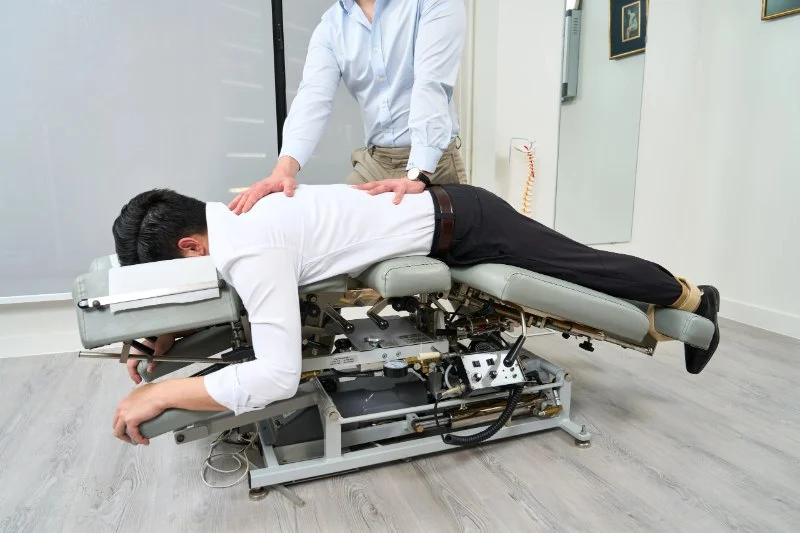
Chiropractors provide a non-invasive alternative for managing tailbone pain. Their approach often focuses on realigning the spine and pelvis, improving posture, and reducing pressure on the coccyx. These interventions aim to relieve pain while avoiding surgical procedures.
Techniques may include:
- Manual Adjustments: Gentle manipulation of the lower spine and pelvis to correct misalignments affecting the tailbone.
- Soft Tissue Therapy: Massage and myofascial release targeting muscles surrounding the coccyx to reduce tension and inflammation.
- Mobilization Exercises: Guided movements and stretches designed to restore mobility and promote healing in the coccyx region.
- Postural Education: Instruction on proper sitting, standing, and ergonomic positioning to prevent recurring stress on the tailbone.
Studies and clinical experience suggest that chiropractic interventions can significantly reduce pain intensity and improve function in many patients with coccydynia. This approach is particularly beneficial for those seeking to avoid surgery or medications with potential side effects.
Non-Surgical Treatment Options: Combining Lifestyle, Therapy, and Chiropractic Care
In addition to chiropractic care, other non-surgical strategies can enhance recovery and pain management. Patients often benefit from a holistic approach that includes:
- Ergonomic Modifications: Using coccyx cushions or adjusting chair height to relieve sitting pressure.
- Physical Therapy: Targeted exercises to strengthen supporting muscles and improve flexibility.
- Anti-Inflammatory Measures: Ice or heat application, and, where appropriate, over-the-counter medications to reduce inflammation.
- Activity Adjustments: Avoiding activities that exacerbate pain and gradually reintroducing movements as comfort allows.
Integrating these strategies with chiropractic treatment often leads to faster recovery and more sustainable pain relief. For instance, patients who combine posture education, coccyx cushioning, and spinal adjustments report higher satisfaction and reduced recurrence rates.
Patient Experiences and Stories: Real Cases of Tailbone Pain Relief
Real-world experiences highlight the effectiveness of chiropractic care for coccydynia. One patient, a middle-aged office worker, had struggled with sharp tailbone pain after a minor fall. After several sessions of targeted chiropractic adjustments combined with ergonomic seating modifications, the patient reported a substantial reduction in discomfort within weeks.
Another case involved a young mother experiencing tailbone pain post-childbirth. Chiropractic mobilization, soft tissue therapy, and guided exercises restored her comfort, allowing her to return to daily activities without reliance on surgery or strong medications.
These stories illustrate that individualized, non-invasive treatment plans can provide meaningful relief for those suffering from coccydynia, emphasizing the value of professional assessment and consistent care.
Choosing the Right Chiropractor: Tips for Finding Effective Care at ChiroScope
Selecting a qualified chiropractor is crucial to achieving positive outcomes. Key factors to consider include:
- Experience and Specialization: Look for practitioners with expertise in spinal alignment, pelvic health, and coccyx pain management.
- Patient Testimonials: Reading reviews and case studies can provide insight into the chiropractor’s effectiveness and approach.
- Comprehensive Assessment: The right chiropractor conducts thorough evaluations, including posture analysis and mobility assessment, before recommending treatment.
- Personalized Care Plans: Effective treatment involves tailored strategies, including adjustments, exercises, and lifestyle guidance specific to your condition.
For those seeking professional care in the U.S.,
Enhancing Long-Term Outcomes and Preventing Recurrence
Long-term management of tailbone pain involves more than immediate relief. Chiropractic care, combined with proper posture, ergonomic practices, and core-strengthening exercises, can prevent recurrence and improve overall spinal health.
Patients are encouraged to maintain regular follow-ups, continue recommended exercises, and adjust daily habits that may contribute to tailbone stress. This proactive approach ensures sustainable results and reduces the likelihood of chronic discomfort.
By addressing the root causes of coccydynia rather than just the symptoms, chiropractors provide a pathway to effective, non-surgical management of tailbone pain, helping patients resume normal activities with confidence.





 Principle Performance - Chiropractor Park Ridge5.0 (120 reviews)
 Southport Wellness5.0 (31 reviews)
 Zalben Zone Chiropractic5.0 (217 reviews)
 Vitality Chiropractic5.0 (67 reviews)
 Mc Gowan Michael DC4.0 (45 reviews)
 Agnew Family Wellness5.0 (119 reviews)
 Is How Often to Visit a Chiropractor Affecting Your Daily Life? Here's How a Chiropractor Can Help
 How to Relieve Chiropractor Benefits Without Medication – Chiropractor Approved
 Chiropractic Therapy for Better Posture and Alignment
 10 Essential Tips for Managing Lower Back Pain Effectively
 Top Chiropractor Answers to Your Most Common Pinched Nerve Questions
 Chiropractic Advice for Chiropractic Techniques You Can Start Today