
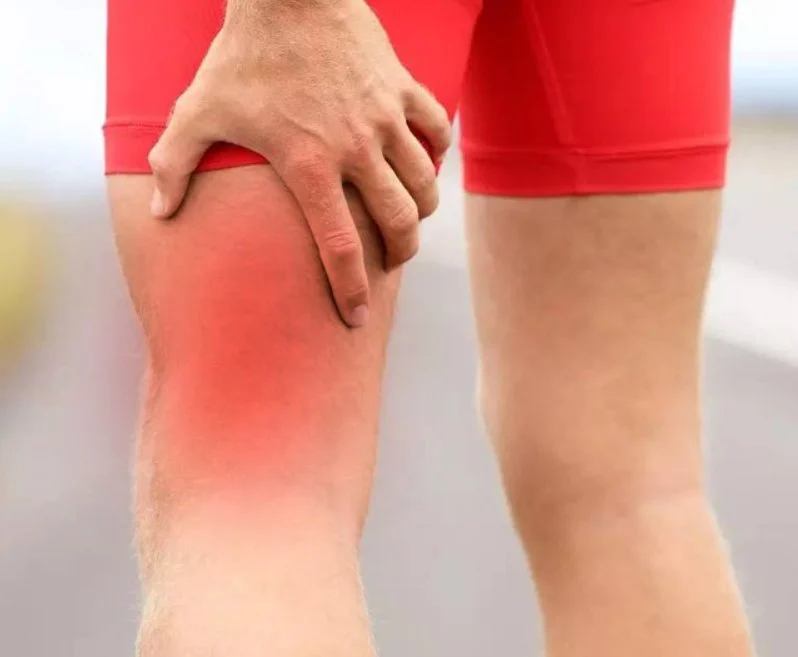
- 1. Understanding Sciatica and Its Causes
- 2. Common Symptoms of Sciatica
- 3. Treatment Options for Sciatica Pain Relief
- 4. Lifestyle Changes to Manage Sciatica
- 5. Alternative Therapies for Sciatica Treatment
- 6. When to Seek Medical Help for Sciatica
- 7. Long-Term Strategies for Preventing Sciatica
- 8. Personal Story: Overcoming Sciatica Pain
- 9. How Chiropractic Care Can Help with Sciatica
- 10. Top Resources for Finding Sciatica Treatment
1. Understanding Sciatica and Its Causes
Sciatica refers to the pain that radiates along the path of the sciatic nerve, which runs from your lower back through your hips and buttocks and down each leg. It often occurs when a herniated disk, bone spur on the spine, or narrowing of the spine compresses part of the nerve. Understanding the root causes of sciatica is crucial in identifying effective treatment options. While the pain can be severe, the condition is usually temporary and can be managed with the right treatment.
2. Common Symptoms of Sciatica
Recognizing the symptoms of sciatica can help you take the right steps in seeking treatment. Common signs include:
- Sharp or burning pain that travels from the lower back to the leg, often on one side.
- Numbness or weakness in the affected leg.
- Difficulty moving the leg or standing up straight due to pain.
- Pain that worsens with prolonged sitting or standing.
If you experience these symptoms, it’s essential to explore treatment options promptly to reduce discomfort and improve mobility.
3. Treatment Options for Sciatica Pain Relief
Sciatica treatment options can vary depending on the severity of the pain and the underlying cause. Here are some of the most effective methods:
- Physical Therapy – Regular exercises designed to stretch and strengthen the muscles of the lower back and legs can help reduce sciatica pain and prevent future episodes.
- Medications – Nonsteroidal anti-inflammatory drugs (NSAIDs) like ibuprofen can help reduce inflammation and alleviate pain.
- Cold and Heat Therapy – Applying cold compresses or heat pads can reduce swelling and relax tense muscles.
- Injections – In more severe cases, corticosteroid injections can provide relief by reducing inflammation around the affected nerve.
For long-term relief, a combination of these treatments is often recommended. If symptoms persist, surgical options may be explored.
4. Lifestyle Changes to Manage Sciatica
Managing sciatica often requires more than just medical treatment. Incorporating certain lifestyle changes can significantly reduce symptoms and improve overall quality of life. Consider these adjustments:
- Maintain a healthy weight – Excess weight can put additional strain on your spine, contributing to sciatica pain.
- Practice good posture – Standing and sitting with proper posture can relieve pressure on the lower back and reduce sciatica discomfort.
- Stay active – Regular low-impact activities like walking or swimming can help improve flexibility and strengthen muscles supporting the spine.
5. Alternative Therapies for Sciatica Treatment
If conventional treatments haven’t provided relief, alternative therapies may be beneficial. These therapies include:
- Acupuncture – This traditional Chinese therapy involves inserting thin needles at specific points on the body to stimulate healing and reduce pain.
- Massage Therapy – Therapeutic massage can help relax tight muscles, improve blood flow, and relieve pain associated with sciatica.
- Chiropractic Adjustments – Chiropractors use spinal manipulation to help realign the spine and alleviate pressure on the sciatic nerve.
6. When to Seek Medical Help for Sciatica
While most cases of sciatica resolve on their own or with minimal treatment, there are times when it’s crucial to seek professional help. If you experience any of the following symptoms, it’s important to consult a doctor:
- Severe pain that doesn’t improve with rest or over-the-counter medications.
- Loss of bladder or bowel control – This could be a sign of a more serious condition called cauda equina syndrome.
- Numbness or weakness in the leg that interferes with your ability to walk.
7. Long-Term Strategies for Preventing Sciatica
Preventing sciatica involves maintaining a healthy lifestyle and practicing habits that protect the spine. Here are some strategies to reduce your risk:
- Exercise regularly to strengthen your back and abdominal muscles, which support your spine.
- Use proper lifting techniques – Bend at the knees, not the back, when lifting heavy objects.
- Stretch regularly – Gentle stretches for your lower back and legs can help keep muscles flexible and prevent tension that leads to sciatica.
8. Personal Story: Overcoming Sciatica Pain
Meet John, a 45-year-old who suffered from sciatica for over a year. After trying various treatments, including medications and physical therapy, John found relief through regular chiropractic care. With the guidance of his chiropractor, John learned exercises to strengthen his back and improve posture. Today, he’s pain-free and enjoys activities he had to give up due to sciatica.
9. How Chiropractic Care Can Help with Sciatica
Chiropractic care focuses on spinal health and can be an effective solution for sciatica. Chiropractors use spinal adjustments to relieve pressure on the sciatic nerve and improve alignment. Many patients experience significant relief after just a few sessions, making chiropractic care a popular choice for treating sciatica.
10. Top Resources for Finding Sciatica Treatment
If you're looking for the right treatment for sciatica, there are several valuable resources available. At ChiroScope, we offer expert advice and a range of products designed to help manage sciatica pain. Whether you're seeking chiropractic care, physical therapy equipment, or pain relief products, ChiroScope has everything you need for effective treatment.






 Natural Family Health Care5.0 (6 reviews)
 Bloch Wellness4.0 (67 reviews)
 Valentine Chiropractic4.0 (58 reviews)
 Doctor Lexi Meleski0.0 (0 reviews)
 ABH Chiropractic, Andres Galego D.C., bilingual Spanish speaking5.0 (5 reviews)
 Vermont Chiropractic Clinic5.0 (1 reviews)
 Chiropractic Advice for Chiropractic Safety You Can Start Today
 Can Chiropractic Care Solve Your Back Pain Relief Problem?
 10 Things You Should Know About Neck Pain: Causes, Care and Prevention
 Top Questions About Chiropractic Safety Answered by Chiropractors
 How to Relieve Chiropractic Stretches Without Medication – Chiropractor Approved
 Chiropractic Approaches for Stress Relief and Mental Clarity: A Comprehensive Guide