
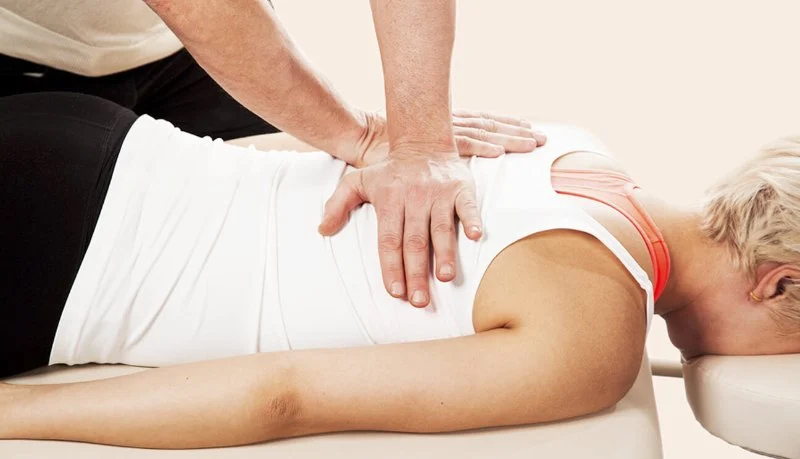
1. How to Relieve Lower Back Pain Without Medication – Chiropractor Approved
Lower back pain is one of the most common ailments people face, affecting millions of individuals worldwide. While medication is often the first solution many turn to, it doesn’t always address the root cause of the pain, and it can lead to unwanted side effects. Thankfully, there are natural, chiropractor-approved methods to relieve lower back pain without the need for medication. In this article, we’ll explore some effective, non-invasive ways to alleviate discomfort and help you regain mobility, all while promoting long-term spinal health.
1.1 Why Avoid Medication for Lower Back Pain?
While medication can offer short-term relief, it doesn’t address the underlying causes of lower back pain. Overusing painkillers can also lead to dependency, digestive issues, and liver or kidney damage. In contrast, chiropractic care offers a holistic, non-invasive approach that not only relieves pain but also promotes overall spinal health and wellness. Chiropractic adjustments, along with other natural techniques, can address misalignments in the spine that may be contributing to the pain.
1.2 Chiropractic Care and Back Pain
Chiropractic care is one of the most effective natural treatments for relieving lower back pain. Chiropractors specialize in spinal health, focusing on aligning the spine and restoring proper function to the nervous system. By using spinal adjustments and other techniques, chiropractic care addresses the root causes of back pain, such as misaligned vertebrae, herniated discs, or muscle imbalances. This approach helps improve mobility, reduce inflammation, and relieve pressure on nerves, offering both short-term relief and long-term benefits for spinal health.
2. Chiropractor-Approved Tips to Relieve Lower Back Pain
If you’re struggling with lower back pain and want to avoid medications, here are several chiropractor-approved tips to help manage and reduce discomfort naturally.
2.1 Practice Good Posture
Poor posture is a leading cause of lower back pain. Slouching or sitting for long periods with improper alignment can place excessive strain on the spine, leading to discomfort. Chiropractors emphasize the importance of maintaining proper posture to reduce pressure on the spine and muscles. Here are a few tips for improving your posture:
- Keep your shoulders back and your spine straight while sitting or standing.
- Avoid slumping or hunching over, especially when working at a desk or looking at your phone.
- Ensure that your workstation is ergonomically designed to support your back and neck.
By incorporating good posture habits into your daily routine, you can prevent strain on your lower back and improve your spinal alignment over time.
2.2 Stretch and Strengthen Your Back
Stretching and strengthening exercises are vital for maintaining a healthy spine and alleviating lower back pain. Chiropractors often recommend specific exercises that target the muscles surrounding the spine. These exercises can improve flexibility, increase strength, and reduce the risk of injury. Here are a few exercises to try:
- Cat-Cow Stretch: This yoga pose helps improve spinal flexibility and ease tension in the lower back.
- Bridges: Strengthens the lower back, glutes, and hamstrings, providing better support for the spine.
- Planks: Strengthens core muscles, which play a crucial role in supporting the spine.
Before starting any exercise routine, it’s important to consult with a chiropractor to ensure the exercises are safe and suitable for your specific condition.
2.3 Apply Heat or Cold Therapy
Heat and cold therapy are effective ways to reduce inflammation, ease muscle tension, and alleviate pain. Cold therapy can help numb sharp pain and reduce swelling, while heat therapy helps relax tight muscles and improve blood flow to the affected area. Chiropractors often recommend alternating between hot and cold treatments for optimal pain relief. Here’s how to apply them:
- Cold Therapy: Use a cold pack or ice wrapped in a cloth for 15–20 minutes on the affected area to reduce swelling and numb the pain.
- Heat Therapy: Apply a heating pad or warm compress for 15–20 minutes to relax muscles and promote circulation.
Be sure to use heat or cold therapy with caution, and always protect your skin by wrapping the ice or heating pad in a cloth.
2.4 Maintain a Healthy Weight
Excess weight can put additional stress on your lower back, contributing to pain and discomfort. Maintaining a healthy weight helps reduce the strain on your spine and improves your posture. Chiropractors often advise their patients to adopt a balanced diet and engage in regular physical activity to support overall spinal health. Eating nutrient-rich foods, such as vegetables, fruits, lean proteins, and whole grains, can also aid in maintaining an optimal weight and promoting healthy muscles and joints.
2.5 Visit a Chiropractor Regularly
One of the best ways to prevent and relieve lower back pain is through regular chiropractic care. Chiropractors are trained to assess spinal health and identify areas of misalignment that may be contributing to pain. By receiving regular spinal adjustments, you can improve your posture, restore proper function to your spine, and reduce the risk of future back issues. Routine chiropractic visits help keep your spine healthy and aligned, supporting long-term pain relief.
3. Real-Life Examples of Chiropractic Care Relieving Lower Back Pain
Many individuals have experienced significant relief from lower back pain through chiropractic care. Here are a couple of real-life examples that highlight the effectiveness of chiropractic treatment:
3.1 Michael’s Story of Relief
Michael, a 38-year-old office worker, had been suffering from chronic lower back pain for months. His pain was so severe that it affected his daily activities and even his ability to sleep. After seeing a chiropractor, Michael underwent spinal adjustments and was given personalized stretches and exercises to strengthen his back. Within a few weeks, he felt significant relief and was able to resume his regular activities without pain. He now continues to see his chiropractor regularly to maintain his spinal health.
3.2 Lisa’s Experience with Chronic Back Pain
Lisa, a 50-year-old yoga instructor, had been experiencing lower back pain due to poor posture and muscle imbalances. Chiropractic care, along with targeted stretches, helped alleviate her pain and improve her posture. After several adjustments, Lisa’s back pain significantly reduced, and she regained the flexibility she needed to teach her yoga classes. She now incorporates chiropractic care into her wellness routine to keep her spine in alignment.
4. Why Choose ChiroScope for Your Lower Back Pain Relief
If you're struggling with lower back pain and want a natural, non-invasive treatment option, chiropractic care may be the solution. At ChiroScope, we offer chiropractor-approved techniques that are tailored to your specific needs. Our team of experienced chiropractors works with you to identify the cause of your pain and develop a personalized treatment plan. Whether you're looking for relief from an existing condition or seeking preventive care, ChiroScope is here to help. Visit us today to get started on your journey toward long-term lower back pain relief.





 Mason Chiropractic and Rehabilitation Center5.0 (24 reviews)
 Chatfield Richard G DC5.0 (7 reviews)
 Heritage Health5.0 (71 reviews)
 LifeClinic Chiropractic & Rehabilitation - Colorado Springs, CO3.0 (2 reviews)
 Solutions Sports & Spine Chiropractors of Clackamas5.0 (42 reviews)
 Oak Hills Back & Neck Care Center5.0 (28 reviews)
 How Chiropractic Care Can Help with Pinched Nerve Problems
 Best Chiropractic Treatments for Sciatica Treatment According to Experts | ChiroScope
 How to Relieve Chiropractic Pain Without Medication – Chiropractor Approved
 Best Chiropractic Treatments Covered by Insurance According to Experts
 How Chiropractors Help With Migraines and Why It Works – A Natural Treatment Option
 Chiropractic for Improving Flexibility and Preventing Injuries