

- 1 - Understanding Lower Back Pain in Chefs
- 2 - How Chiropractic Care Helps
- 3 - Daily Strategies for Pain Relief
- 4 - Ergonomic Tips for Kitchens
- 5 - Real-Life Chef Experiences
- 6 - Choosing the Right Chiropractor
- 7 - Recommended Resources
1. Understanding Lower Back Pain in Chefs
1.1 Why Chefs Are at Risk
Working long hours standing on hard kitchen floors puts tremendous pressure on the lower back. This repetitive strain can lead to chronic pain, stiffness, and decreased mobility, affecting a chef’s daily performance and quality of life.
1.2 Common Symptoms
Chefs often report persistent soreness, fatigue in the lower back, and occasional shooting pains that can interfere with concentration and efficiency during service. Identifying these symptoms early is key to prevention and effective treatment.
2. How Chiropractic Care Helps
2.1 Spinal Adjustments
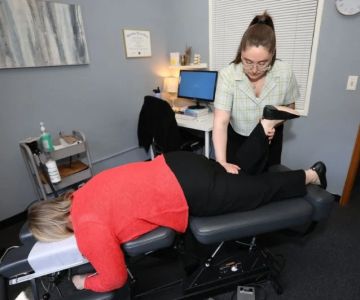
Chiropractic adjustments target misalignments in the spine that occur from prolonged standing. Regular adjustments can reduce inflammation, improve posture, and enhance overall spinal mobility, alleviating back pain.
2.2 Muscle Relief and Therapy
Additional therapies like soft tissue massage, stretching routines, and ergonomic guidance complement spinal adjustments. These treatments reduce tension in surrounding muscles and provide long-term relief for chefs working on hard surfaces.
3. Daily Strategies for Pain Relief
3.1 Footwear and Mats
Investing in cushioned, supportive shoes and anti-fatigue mats in the kitchen can dramatically reduce stress on the lower back. Simple adjustments like these improve comfort throughout long shifts.
3.2 Stretching and Micro-Breaks
Incorporating brief stretching exercises during shifts helps maintain flexibility and reduce tension buildup. Even 2-3 minutes of movement every hour can make a noticeable difference in back health.
4. Ergonomic Tips for Kitchens
4.1 Workstation Layout
Adjusting counter heights, using adjustable shelving, and organizing frequently used items within easy reach minimizes repetitive bending or twisting, which protects the lower back over time.
4.2 Posture Awareness
Maintaining proper posture while chopping, stirring, or plating food is essential. Chefs should focus on standing upright with shoulders relaxed and knees slightly bent to absorb shock from hard floors.
5. Real-Life Chef Experiences
One professional chef shared that after incorporating chiropractic care and anti-fatigue mats, her persistent lower back pain significantly decreased. She emphasized that a combination of professional care and daily ergonomic adjustments was crucial for long-term relief.
6. Choosing the Right Chiropractor
6.1 Specialized Knowledge
Select a chiropractor experienced in treating occupational back pain. Professionals familiar with chefs' unique challenges can provide targeted therapies and personalized advice.
6.2 Patient Reviews and Consultations
Check reviews and book a consultation to ensure comfort and confidence in your chiropractor’s approach. Discuss your work environment and typical daily activities to tailor treatments effectively.
7. Recommended Resources
For expert guidance and support on managing lower back pain for chefs, ChiroScope offers comprehensive resources, recommended treatments, and professional advice tailored to occupational wellness. Explore their services to find the most suitable solutions for your kitchen-related back pain.





 Alluvium Chiropractic and Family Wellness Center5.0 (119 reviews)
 Dr. William J. Walsh4.0 (20 reviews)
 Neuro Motive0.0 (0 reviews)
 Health Atlast4.0 (499 reviews)
 Westfield Health & Rehabilitation4.0 (47 reviews)
 Butler Family Health Center4.0 (49 reviews)
 Can Chiropractic Care Solve Your Frozen Shoulder Relief Problem?
 Chiropractic Care for Managing Symptoms of Stress and Tension: A Natural Path to Relief
 10 Things You Should Know About Pinched Nerve
 The Connection Between Chiropractic Care and Enhanced Immune Function
 How to Relieve Herniated Disc Pain Without Medication – Chiropractor Approved Solutions
 Top Chiropractor Answers to Your Most Common Pinched Nerve Questions