

10 Things You Should Know About TMJ and Chiropractic
- 1. What is TMJ?
- 2. Symptoms of TMJ
- 3. Why TMJ Happens
- 4. How Chiropractic Care Can Help with TMJ
- 5. Benefits of Chiropractic Treatment for TMJ
- 6. Other Treatment Options for TMJ
- 7. What to Expect During a Chiropractic Session
- 8. Long-Term Management of TMJ
- 9. When to See a Chiropractor for TMJ
- 10. How to Maintain Your Results
1. What is TMJ?
TMJ (Temporomandibular Joint) refers to the joint that connects the jaw to the skull. It is located on both sides of the head and plays a crucial role in movements like chewing, speaking, and swallowing. TMJ disorders (TMD) occur when this joint and the surrounding muscles are not functioning properly, leading to pain and discomfort.
2. Symptoms of TMJ
TMJ symptoms vary, but common signs include:
- Pain or tenderness around the jaw, neck, and shoulders
- Clicking or popping sounds when opening or closing the mouth
- Difficulty chewing or a feeling of “lockjaw”
- Frequent headaches or earaches
- Tingling or numbness in the jaw
If you are experiencing any of these symptoms, it may be an indication that you have TMJ, and it’s important to consult a healthcare provider for a proper diagnosis.
3. Why TMJ Happens
TMJ disorders can arise from various causes, including:
- Injury or trauma to the jaw
- Arthritis or other joint diseases
- Bruxism (teeth grinding), often caused by stress
- Misalignment of the teeth or jaw
- Genetic factors that affect the development of the jaw joint
In many cases, TMJ disorders are due to a combination of these factors. Identifying the root cause is essential for effective treatment.
4. How Chiropractic Care Can Help with TMJ
Chiropractic care offers a non-invasive and holistic approach to managing TMJ disorders. Chiropractors focus on correcting spinal misalignments and addressing issues in the musculoskeletal system. For TMJ, chiropractic treatments often involve:
- Adjustments to the spine and jaw to improve alignment
- Soft tissue therapy to relax tense muscles around the jaw
- Joint mobilizations to restore normal movement
- Exercises to strengthen the jaw muscles and reduce strain
Chiropractors also work with patients to identify lifestyle changes that can help manage or prevent TMJ symptoms, such as stress reduction and posture improvement.
5. Benefits of Chiropractic Treatment for TMJ
Chiropractic care can offer several benefits for TMJ sufferers:
- Relieves pain and discomfort in the jaw, neck, and shoulders
- Improves jaw mobility and function
- Reduces the need for pain medications
- Addresses the root cause of TMJ, not just the symptoms
- Offers long-term solutions for prevention and management
Many patients find chiropractic care to be an effective alternative to traditional treatments like medication or surgery.
6. Other Treatment Options for TMJ
While chiropractic care is beneficial, it is not the only option for treating TMJ. Other treatments include:
- Physical therapy for jaw exercises
- Oral appliances or mouthguards to prevent teeth grinding
- Anti-inflammatory medications to reduce swelling and pain
- In severe cases, surgical options may be considered
It’s important to consult with your healthcare provider to determine the best treatment plan for your individual needs.
7. What to Expect During a Chiropractic Session
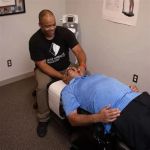
During a chiropractic session for TMJ, the chiropractor will assess your symptoms and examine your spine, jaw, and neck. The treatment may involve gentle adjustments to the jaw and spine to restore alignment and relieve pressure on the TMJ. Sessions may also include soft tissue work and exercises to improve muscle strength and flexibility. Chiropractors typically focus on making patients feel comfortable and informed throughout the process.
8. Long-Term Management of TMJ
Long-term management of TMJ typically involves regular chiropractic adjustments to maintain proper alignment and prevent flare-ups. Lifestyle changes such as reducing stress, avoiding teeth grinding, and improving posture can also help keep TMJ symptoms at bay. In some cases, your chiropractor may recommend a combination of treatments, including physical therapy or oral appliances, for the best results.
9. When to See a Chiropractor for TMJ
If you are experiencing chronic TMJ pain or have not found relief from other treatments, it may be time to visit a chiropractor. Chiropractors specialize in diagnosing musculoskeletal issues and can offer personalized care to address the underlying causes of TMJ. Seeking treatment early can prevent the condition from worsening and help you regain function and comfort in your jaw.
10. How to Maintain Your Results
To maintain the positive effects of chiropractic treatment for TMJ, it’s essential to follow a few simple steps:
- Attend regular chiropractic check-ups to monitor your progress
- Incorporate exercises recommended by your chiropractor into your daily routine
- Practice stress-relief techniques such as yoga or meditation
- Use a mouthguard if you are prone to teeth grinding
By continuing to care for your health and following your chiropractor’s advice, you can enjoy long-term relief from TMJ symptoms.
Chiropractic care offers a natural and effective way to treat TMJ disorders. If you are struggling with TMJ, consider consulting a chiropractor for a personalized treatment plan. For more information, visit ChiroScope to learn how chiropractic care can help you.






 Total Health Chiropractic5.0 (2 reviews)
 Manhattan Sports Medicine5.0 (110 reviews)
 Zia Chiropractic4.0 (36 reviews)
 Richard Kim Chiropractic P.C.5.0 (7 reviews)
 Iselborn Health and Sports Recovery Annex4.0 (79 reviews)
 Peak Performance and Functional Chiropractic LLC5.0 (8 reviews)
 How Chiropractic Helps with Stress, Pain, and Healing | ChiroScope
 How Chiropractic Helps with Pain from Repetitive Strain Injuries
 Everything You Need to Know About Chiropractic Myths from a Chiropractic Perspective
 What Causes Spinal Misalignment and How Chiropractors Treat It
 The Science Behind Chiropractic and Techniques for Effective Relief
 Top Chiropractic Questions for Athletes Answered by Experts