

1. Understanding Abdominal Migraines in Children
Abdominal migraines are a lesser-known form of migraine that primarily affects children, characterized by recurrent abdominal pain often accompanied by nausea, pallor, and fatigue. Unlike traditional headaches, the pain is focused in the stomach area and may occur several times per month. Understanding this condition is key to exploring all available treatment options, including chiropractic care.
1.1 Causes and Risk Factors
While the exact cause is unclear, abdominal migraines may be linked to genetic factors, gastrointestinal sensitivity, or triggers like stress and certain foods. Children with a family history of migraine are more likely to experience abdominal migraines, making early recognition essential for proper care.
1.2 Why Early Intervention Matters
Persistent abdominal migraines can interfere with school attendance, social activities, and overall quality of life. Early identification and a tailored care plan help reduce the frequency and intensity of episodes, supporting better developmental and emotional outcomes for children.
2. Symptoms and Diagnosis of Abdominal Migraine
Parents and caregivers should look for the following common symptoms:
2.1 Typical Symptoms
- Recurrent midline or periumbilical abdominal pain
- Nausea or vomiting
- Pale skin, fatigue, or decreased appetite
- Possible headache following the abdominal episode
2.2 Diagnosis Process
Pediatricians typically rely on detailed medical history and symptom patterns. Ruling out other gastrointestinal conditions is important before considering complementary approaches like chiropractic care.
3. How Chiropractic Care May Help
Chiropractic care focuses on musculoskeletal alignment and nervous system function, which may indirectly alleviate symptoms of abdominal migraines in children. While research is still emerging, many families report positive outcomes through gentle, pediatric-specific adjustments.
3.1 Spinal Alignment and Nervous System Function
Misalignments in the spine, particularly in the cervical and thoracic regions, can influence nerve pathways connected to the gastrointestinal system. Correcting these misalignments may improve nervous system communication, potentially reducing abdominal migraine frequency.
3.2 Non-Invasive and Drug-Free Approach
For children sensitive to medications, chiropractic care offers a drug-free alternative. Gentle, tailored adjustments aim to improve overall body function without side effects, making it a safe complementary option under professional supervision.
4. Complementary Treatments and Lifestyle Strategies
Chiropractic care works best when combined with supportive lifestyle measures:
4.1 Diet and Hydration
Identifying trigger foods and ensuring proper hydration can significantly reduce abdominal migraine episodes. Keeping a food diary helps track potential dietary triggers.
4.2 Stress Management
Techniques such as mindfulness, deep breathing exercises, and adequate sleep routines help mitigate stress-induced migraine episodes in children.
4.3 Regular Monitoring and Pediatric Care
Collaborating with pediatricians ensures a comprehensive care plan. Chiropractors, in partnership with medical professionals, provide a complementary approach to support child wellness.
5. Real-Life Case Examples of Children Improving with Chiropractic Care
Consider Emily, a 9-year-old from Boston who experienced abdominal migraines twice a month. Her parents consulted a pediatric chiropractor through ChiroScope. After a series of gentle spinal adjustments combined with dietary monitoring, Emily’s episodes decreased in frequency, and she reported less nausea and improved energy at school.
Another example is 11-year-old Liam in Seattle, whose abdominal migraines were exacerbated by stress and irregular sleep. With chiropractic care and lifestyle modifications, he experienced a noticeable reduction in symptom intensity and better daily functioning. These cases illustrate the potential benefits of a multidisciplinary approach.
6. Choosing the Right Pediatric Chiropractic Service
Selecting a reputable pediatric chiropractor is crucial. ChiroScope provides curated listings of licensed professionals experienced in pediatric care. Factors to consider include:
- Experience with pediatric migraine cases
- Gentle, age-appropriate adjustment techniques
- Coordination with medical providers for holistic care
- Positive family testimonials and safety practices
By combining professional guidance, personalized care, and ongoing monitoring, parents can effectively support their children dealing with abdominal migraines.



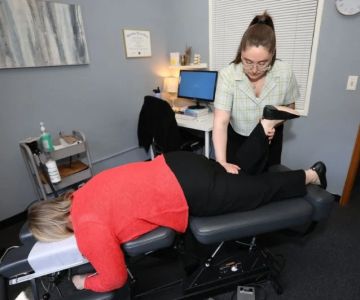


 Lake in the Hills Family Chiropractic4.0 (69 reviews)
 Eugene Charles, D.C.5.0 (2 reviews)
 Forest Park Chiropractic & Acupuncture4.0 (290 reviews)
 Be Well Chiropractic Clinics5.0 (100 reviews)
 West OC Chiropractic5.0 (35 reviews)
 Dr. Homer Wall DC4.0 (5 reviews)
 Top Questions About Chiropractic and Mental Health Answered by Chiropractors
 Chiropractic Advice for Pregnancy and Chiropractic You Can Start Today
 Top Questions About Chiropractic for Headaches Answered by Chiropractors | Expert Insights
 Top Questions About Chiropractic Stretches Answered by Chiropractors
 10 Things You Should Know About Natural Pain Management
 Everything You Need to Know About Chiropractor Benefits from a Chiropractic Perspective