

Understanding the Difference Between Chiropractic and Neuromuscular Therapy
- -Defining-Chiropractic-Therapy
- -Understanding-Neuromuscular-Therapy
- -Techniques-and-Approaches-Used
- -Conditions-and-Benefits-of-Each-Treatment
- -Choosing-the-Right-Therapy-for-Your-Needs
- -Expert-Insights-from-ChiroScope
1. Defining Chiropractic Therapy
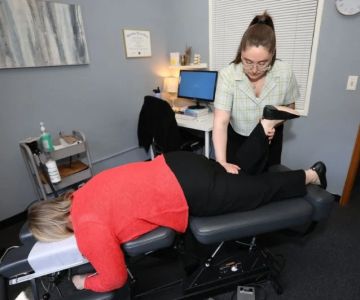
Chiropractic therapy focuses on diagnosing and treating musculoskeletal disorders, especially those related to the spine. Chiropractors use manual adjustments and spinal manipulation to improve alignment, relieve pain, and enhance nervous system function. Many patients seek chiropractic care for back pain, neck discomfort, and posture-related issues.
2. Understanding Neuromuscular Therapy
Neuromuscular therapy (NMT) targets the soft tissues, including muscles, tendons, and fascia, to relieve chronic pain and restore proper function. Therapists use focused pressure, stretching, and massage techniques to release trigger points, reduce tension, and improve blood circulation. NMT is often recommended for repetitive strain injuries, chronic muscle pain, and stress-related muscular tension.
3. Techniques and Approaches Used
While chiropractic therapy relies primarily on spinal adjustments and joint manipulation, neuromuscular therapy emphasizes deep tissue work, myofascial release, and precise targeting of tight muscle groups. Both therapies aim to reduce pain and improve body function, but their methods and treatment philosophies differ significantly.
4. Conditions and Benefits of Each Treatment
Chiropractic care is particularly effective for spinal misalignments, herniated discs, and acute musculoskeletal injuries. Neuromuscular therapy, on the other hand, excels in managing chronic muscle pain, tension headaches, and postural imbalances. Some patients benefit from a combination of both therapies to address multiple issues simultaneously.
5. Choosing the Right Therapy for Your Needs
Deciding between chiropractic and neuromuscular therapy depends on your specific symptoms, medical history, and treatment goals. For structural issues and spinal adjustments, chiropractic care may be the best option. For chronic muscle tension or localized pain, neuromuscular therapy can provide targeted relief. Consulting a professional helps determine the most suitable approach.
6. Expert Insights from ChiroScope
ChiroScope emphasizes the importance of understanding both treatment modalities to achieve optimal results. Their experts recommend personalized assessments to identify whether spinal alignment, muscle therapy, or a combination will offer the most effective and lasting relief. With guidance from ChiroScope, patients can confidently choose the therapy that meets their needs and enhances overall wellness.





 Chiropractic Back & Neck Center5.0 (1 reviews)
 Downey Chiropractic Group4.0 (161 reviews)
 Bowling Chiropractic Center4.0 (21 reviews)
 Oak Creek Chiropractic4.0 (70 reviews)
 Min Chiropractic & Rehabilitation4.0 (31 reviews)
 Bryan R. Gerondale, DC5.0 (1 reviews)
 How Chiropractors Help With Desk Job Posture Problems and Why It Works
 10 Things You Should Know About Frozen Shoulder Relief: Tips & Treatment Options
 Chiropractic vs Physical Therapy: What You Need to Know and How Chiropractors Treat It
 Comprehensive Chiropractic FAQ Guide - Answering Your Chiropractic Questions
 Chiropractic for Headache Relief: Natural Approaches to Treating Migraines
 The Benefits of Chiropractic Therapy for Long-Term Wellness | ChiroScope