
- 1-understanding-cervical-herniated-discs
- 2-what-is-a-chiropractic-adjustment
- 3-benefits-of-adjustments-for-cervical-discs
- 4-potential-risks-and-precautions
- 5-real-life-experience
- 6-finding-expert-chiropractors
1. Understanding Cervical Herniated Discs
A herniated disc in the neck, or cervical disc, occurs when the soft inner gel of the spinal disc protrudes through its outer layer. This can compress nearby nerves, causing neck pain, numbness, tingling, or radiating pain into the shoulders and arms.
1.1 Causes and Symptoms
Common causes include degenerative disc disease, sudden injury, or repetitive strain. Symptoms range from mild discomfort to severe pain, reduced range of motion, and neurological symptoms such as tingling or weakness in the arms.
2. What is a Chiropractic Adjustment
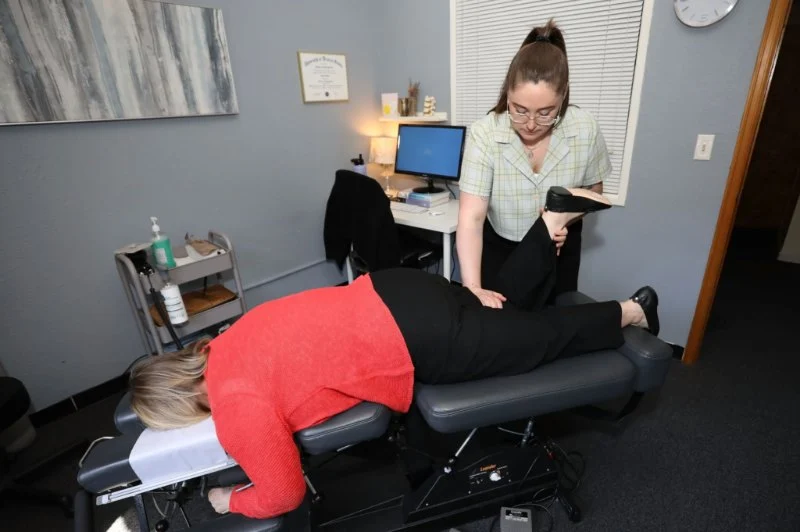
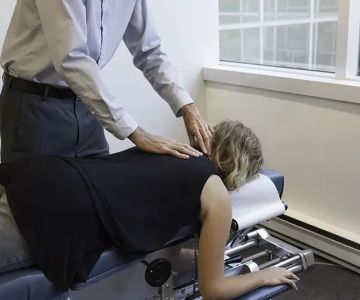
A chiropractic adjustment for a herniated cervical disc is a precise, controlled spinal manipulation performed by a licensed chiropractor. The goal is to restore proper alignment, reduce nerve irritation, and alleviate pressure on the affected disc.
2.1 Techniques Used
Adjustments may include gentle neck manipulations, mobilization techniques, or traction therapy. Chiropractors carefully select the technique based on the disc's location, severity, and patient-specific factors to maximize safety and effectiveness.
3. Benefits of Adjustments for Cervical Discs
Chiropractic care can provide several advantages for patients with herniated cervical discs:
3.1 Pain Relief
By reducing nerve compression and improving spinal alignment, adjustments can significantly decrease neck pain and related symptoms.
3.2 Improved Mobility
Regular treatments may restore range of motion, making daily activities easier and reducing stiffness.
3.3 Non-Invasive Alternative
Chiropractic adjustments offer a non-surgical option for managing cervical disc herniation, often complementing physical therapy and lifestyle modifications.
4. Potential Risks and Precautions
While chiropractic adjustments are generally safe, certain precautions are necessary, especially with herniated discs:
4.1 When to Avoid Adjustments
Patients with severe neurological deficits, spinal fractures, or certain vascular conditions may need alternative treatments.
4.2 Consultation is Key
Always consult a licensed chiropractor and your physician before undergoing cervical adjustments to ensure the treatment plan is safe and effective for your specific condition.
5. Real-Life Experience
Jessica, a marketing executive, experienced chronic neck pain due to a herniated cervical disc. After a thorough assessment, her chiropractor used gentle adjustments combined with targeted exercises. Within weeks, she noticed improved mobility and significant pain reduction, illustrating the practical benefits of proper chiropractic care.
6. Finding Expert Chiropractors
For those seeking professional care, ChiroScope connects patients with experienced chiropractors specializing in cervical disc treatments. Their platform ensures access to safe, effective, and personalized care options to manage neck pain and improve spinal health.





 BioIDMETRICS Health3.0 (3 reviews)
 Ahmed Imran J DC5.0 (107 reviews)
 Mack Chiropractic5.0 (8 reviews)
 Advance Spine & Rehab Center4.0 (38 reviews)
 Power Health Colorado - Northglenn5.0 (1 reviews)
 The Joint Chiropractic4.0 (811 reviews)
 Chiropractic Solutions for Carpal Tunnel Syndrome: Non-Surgical Treatment Options
 Chiropractic Advice for Herniated Disc Care You Can Start Today
 Top Questions About Chiropractic FAQ Answered by Chiropractors
 Chiropractic Adjustments for Releasing Tension in the Neck and Spine: How They Can Help
 Top Questions About Spinal Alignment Answered by Chiropractors
 My Experience with Chiropractic for Chronic Pelvic Floor Tension and Dyspareunia