
- Understanding Herniated Discs and Their Causes
- Chiropractic Approaches to Herniated Disc Relief
- Effective At-Home Techniques for Managing Pain
- Exercises and Stretches to Relieve Herniated Disc Pain
- When to Seek Professional Chiropractic Care
Understanding Herniated Discs and Their Causes
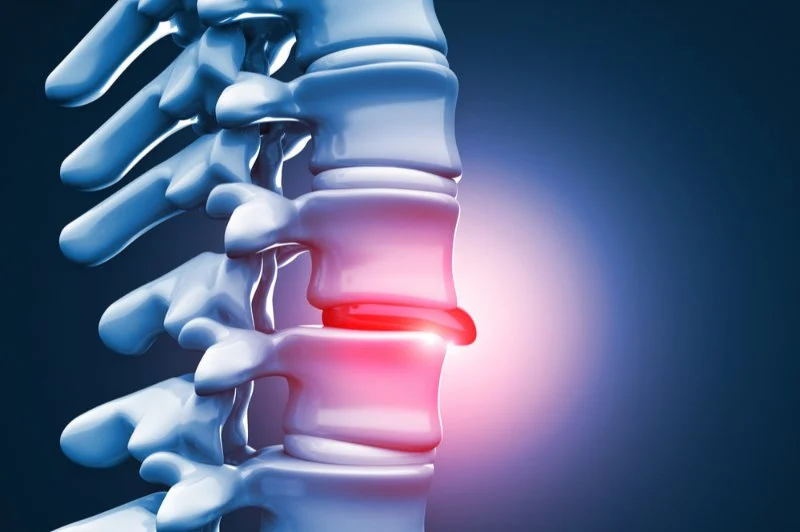
A herniated disc occurs when one of the rubbery cushions (discs) between the bones in your spine slips out of its normal position. This can cause pressure on nearby nerves, leading to pain, numbness, or weakness in the affected area. While a herniated disc is often linked to aging, it can also result from injury, poor posture, or repetitive strain.
Herniated discs are common in the lower back and neck areas, but they can occur anywhere along the spine. Symptoms can range from mild discomfort to severe pain, affecting mobility and quality of life. In some cases, herniated discs can be treated effectively without medication, using natural therapies such as chiropractic care, specific exercises, and lifestyle changes.
Chiropractic Approaches to Herniated Disc Relief
Chiropractors are trained to assess and treat musculoskeletal issues, including herniated discs. One of the primary goals of chiropractic treatment is to restore proper spinal alignment and relieve pressure on the affected nerves. Chiropractors often use spinal adjustments, manual manipulation, and other techniques to help with pain relief and recovery.
Spinal adjustments are particularly effective for relieving the pain caused by a herniated disc. These adjustments can help realign the spine, reduce pressure on nerves, and improve mobility. Chiropractors may also recommend posture corrections and ergonomic changes to prevent further disc damage and enhance healing.
Effective At-Home Techniques for Managing Pain
For many individuals dealing with a herniated disc, a combination of professional chiropractic care and at-home techniques can help manage pain and promote healing. Below are some chiropractor-approved methods to try at home:
- Ice and Heat Therapy: Apply ice packs to reduce inflammation and heat packs to relax muscles and improve blood flow. Alternating between these can provide significant relief.
- Correcting Posture: Poor posture can exacerbate herniated disc pain. Sitting or standing with proper spinal alignment reduces strain on the discs and prevents further injury.
- Mindful Movement: Avoid sudden, jerky movements. Take care when bending, lifting, and twisting. Perform these actions slowly and with control to prevent further strain on the spine.
Incorporating these at-home techniques into your routine can help manage the discomfort caused by a herniated disc without relying on medication. However, it's always important to consult with a chiropractor to ensure you're using the right methods for your specific condition.
Exercises and Stretches to Relieve Herniated Disc Pain
Exercise is a key component of managing herniated disc pain. Chiropractors often recommend specific exercises and stretches to strengthen the muscles surrounding the spine and improve flexibility, which can help reduce pressure on the discs. Here are some of the most effective exercises and stretches for herniated disc relief:
1. Pelvic Tilts
Pelvic tilts are a simple exercise that helps strengthen the lower back and improve spinal flexibility. To perform pelvic tilts, lie on your back with your knees bent and feet flat on the floor. Tighten your stomach muscles and push your lower back into the floor, then relax. Repeat this motion 10-15 times.
2. Cat-Cow Stretch
This gentle stretch increases flexibility and mobility in the spine. Start on all fours with your wrists directly under your shoulders and your knees under your hips. Slowly arch your back (like a cat stretching) and then drop your belly toward the floor, lifting your head and tailbone (like a cow). Repeat this stretch 10-15 times, moving slowly and gently.
3. Bird-Dog Exercise
The bird-dog exercise helps strengthen the core and lower back muscles. Start on all fours and extend your right arm and left leg straight out, keeping your hips and shoulders square. Hold for a few seconds, then return to the starting position. Repeat with the opposite arm and leg. Perform 10 repetitions on each side.
These exercises help to stabilize the spine, improve strength, and alleviate pressure on the herniated disc. It's essential to work with a chiropractor to determine the best exercises for your specific condition and avoid any movements that could aggravate your pain.
When to Seek Professional Chiropractic Care
While many individuals with a herniated disc can manage their pain at home, there are times when professional chiropractic care is essential. If you're experiencing severe pain, numbness, tingling, or weakness that doesn't improve with at-home care, it’s important to seek a chiropractor’s expertise. A chiropractor can assess the severity of the herniation, perform spinal adjustments, and develop a personalized treatment plan to help you recover effectively.
Additionally, if you're having difficulty with basic movements like walking, standing, or sitting, it's a good idea to schedule an appointment with a chiropractor to ensure that you're not causing further damage to the disc.
At ChiroScope, we offer a range of chiropractic services designed to help you manage herniated disc pain naturally. Whether you’re looking for spinal adjustments, exercises, or personalized guidance on managing your condition, we’re here to support your journey to better health and pain relief.






 100% Chiropractic - Lake Oswego5.0 (35 reviews)
 Vitality Chiropractic5.0 (261 reviews)
 CTC Chiropractic5.0 (56 reviews)
 Dr. Steven Becker Los Angeles Chiropractor5.0 (240 reviews)
 Richard C. Meoli, DC4.0 (50 reviews)
 Choice Chiropractic LLC5.0 (191 reviews)
 Top Questions About Chiropractic Myths Answered by Chiropractors
 The Impact of Chiropractic Care on Mental Health and Emotional Well-Being
 The Truth About Pregnancy and Chiropractic and What Chiropractors Recommend
 Best Chiropractic Treatments for Natural Pain Management According to Experts
 How Chiropractic Care Affects the Nervous System to Promote Healing
 Chiropractic for Joint Pain Relief: Exploring Non-Surgical Treatment Options