

- understanding-cervical-rib#basic-anatomy-and-why-it-matters
- symptoms-and-nerve-compression#how-a-cervical-rib-causes-problems
- what-is-chiropractic-adjustment#safe-approach-and-goals
- how-adjustment-is-performed#step-by-step-clinical-process
- safety-considerations#when-chiropractic-care-is-appropriate
- real-case-insight#patient-experience-and-recovery-story
What Is a Chiropractic Adjustment for a Cervical Rib and How Is It Done Safely?
A cervical rib is an extra rib that forms above the first rib, near the base of the neck. While it may sound unusual, it can be a real anatomical variation that sometimes leads to discomfort or nerve-related symptoms. When people search for cervical rib chiropractic adjustment, they are usually trying to understand whether manual therapy can help relieve pain, stiffness, or nerve compression associated with this condition.
Chiropractic care in this context is not about “fixing” the extra rib itself, but about addressing the surrounding musculoskeletal structures to reduce pressure on nerves and improve mobility safely.
Understanding the Cervical Rib and Basic Anatomy
The cervical rib develops from the seventh cervical vertebra and may vary in size from a small bony extension to a fully formed rib. Not everyone with a cervical rib experiences symptoms, but when symptoms do occur, they often involve compression in a region called the thoracic outlet.
This area is a narrow space between the collarbone and first rib where important nerves and blood vessels pass. When a cervical rib reduces this space, it may contribute to discomfort or neurological symptoms.
In clinical practice, this condition is often linked to thoracic outlet syndrome treatment discussions, especially when nerve compression becomes noticeable during daily activities like lifting or repetitive arm movement.
Symptoms and Nerve Compression Mechanisms
Symptoms vary widely depending on the degree of compression. Some people experience mild stiffness, while others notice tingling or weakness in the arm or hand.
Common signs include:
1. Numbness or tingling in the fingers or arm
2. Shoulder or neck tightness that worsens with movement
3. Reduced grip strength
4. Discomfort when lifting the arm above shoulder level
These symptoms occur because the cervical rib can irritate or compress the brachial plexus, a network of nerves that controls the upper limb.
It is important to understand that not all neck pain is caused by a cervical rib. A careful evaluation is necessary before considering any cervical rib chiropractic adjustment approach.
What a Chiropractic Adjustment Actually Means Here
A chiropractic adjustment in this context does not involve manipulating the cervical rib itself. Instead, the focus is on improving alignment, reducing muscle tension, and enhancing joint mobility in the surrounding cervical and thoracic regions.
The main goals are:
- Reduce pressure on irritated nerves
- Improve posture and spinal alignment
- Decrease muscular compensation patterns
- Enhance range of motion without aggravating symptoms
Practitioners trained in chiropractic neck adjustment safety use gentle, controlled techniques rather than high-force manipulations, especially when nerve compression is suspected.
At clinics such as ChiroScope, care plans often emphasize conservative methods first, including soft tissue therapy and guided mobility work before any spinal adjustments are considered.
Step-by-Step Clinical Process
Understanding how treatment is performed helps reduce anxiety for patients exploring chiropractic care for cervical rib-related issues.
1. Initial Assessment
The chiropractor begins with a detailed history and physical examination, checking posture, range of motion, and neurological signs.
2. Functional Testing
Specific arm positioning tests may be used to evaluate whether symptoms worsen with certain movements, helping identify possible thoracic outlet involvement.
3. Imaging Review (if available)
X-rays or other imaging may confirm the presence of a cervical rib and rule out other structural issues.
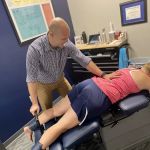
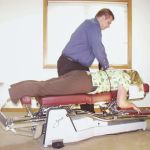
4. Gentle Manual Therapy
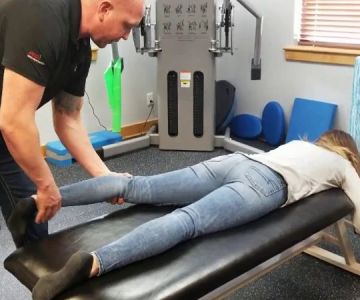
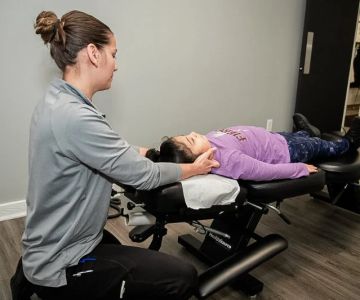
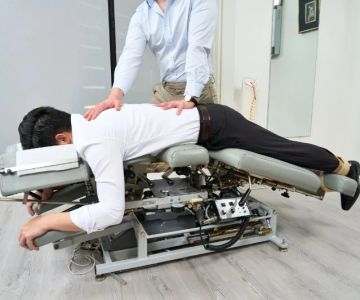
Instead of aggressive adjustments, practitioners often use low-force mobilization techniques on the neck, upper back, and shoulder region.
5. Soft Tissue Release
Muscles like the scalene and pectoral muscles are often targeted to reduce tension contributing to nerve compression.
6. Postural and Exercise Guidance
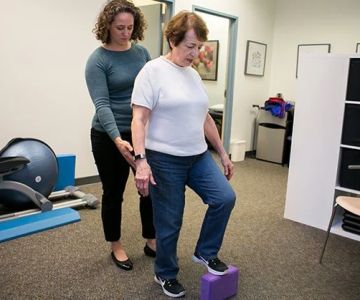
Patients are usually given corrective exercises to maintain improvements between sessions.
Safety Considerations and When Care Is Appropriate
Safety is the most important aspect of treating cervical rib-related conditions. Not every case is suitable for chiropractic intervention alone.
Chiropractic care is generally considered when symptoms are mild to moderate and no severe vascular complications are present. However, if there are signs of significant blood flow restriction or severe neurological loss, medical referral is necessary.
The safest approach involves collaboration between healthcare providers, especially when symptoms overlap with thoracic outlet syndrome treatment pathways.
A responsible practitioner will avoid forceful manipulation if there is any risk of worsening nerve compression.
Real Case Insight: A Patient Experience
A commonly reported case involves individuals who experience unexplained arm fatigue or tingling while working at a desk for long hours. One patient, a graphic designer, initially thought their symptoms were caused by poor ergonomics.
After evaluation, it was discovered that a cervical rib was contributing to nerve irritation. Instead of immediate invasive treatment, a conservative chiropractic plan was recommended.
The care focused on posture correction, gentle mobilization, and targeted muscle release. Over several weeks, the patient reported reduced tingling and improved shoulder mobility, especially during extended computer use.
This type of outcome highlights how non-invasive care, when properly applied, can support functional improvement without directly altering the anatomical variation itself.
For those seeking structured guidance and evidence-informed care pathways, platforms like ChiroScope provide educational resources and access to professionals who understand cervical spine complexity and safe adjustment techniques.


 Westminster Sports Chiropractic5.0 (19 reviews)
 Liberman Chiropractic3.0 (3 reviews)
 Hawthorne Chiropractic & Healing Arts4.0 (23 reviews)
 Wells Chiropractic Group5.0 (6 reviews)
 The Joint Chiropractic4.0 (709 reviews)
 Corrado Chiropractic & Rehabilitation Center5.0 (124 reviews)
 How Chiropractors Help With Chiropractic and Mental Health and Why It Works
 The Truth About Pinched Nerve and What Chiropractors Recommend for Relief
 What is the Difference Between a Straight Chiropractor and a Mixer Chiropractor?
 What Causes Chiropractic Side Effects and How Chiropractors Treat It
 Everything You Need to Know About Back Pain Relief from a Chiropractic Perspective
 Chiropractic Solutions for Sports-Related Injuries: Prevention and Recovery