

What to Wear to a Chiropractic Appointment
On this page
Quick answer
Wear clean, flexible clothing that lets you bend, walk, and change position comfortably, such as a T-shirt with athletic pants or shorts. Choose secure flat shoes and avoid bulky belts, rigid denim, large jewelry, and complicated layers. Ask the clinic before arriving if an examination gown, imaging, taping, or exercise assessment may require different clothing.
Why clothing matters during a visit
Visit-ready clothing is clothing that allows ordinary movement and examination without restricting a joint, hiding an area that needs to be observed, or creating unnecessary discomfort. A chiropractor may ask you to sit, stand, walk, raise an arm, bend, or lie on a treatment table, depending on the reason for the visit.
This guide is for routine outpatient chiropractic appointments in the United States. Clinic policies and clinical needs differ, so instructions from the office take priority. Clothing never replaces informed consent, a suitable examination, or medical evaluation when symptoms require it.
A practical clothing checklist
- Top: choose a comfortable T-shirt or flexible athletic top. Sleeves should move easily if the shoulder or upper back will be assessed.
- Bottom: wear athletic pants, leggings, or modest shorts that allow hip and knee movement without slipping or binding.
- Footwear: use secure, flat shoes that are easy to remove if requested. Bring the shoes associated with a walking or running complaint when the clinic asks.
- Undergarments: choose supportive, comfortable garments that remain secure through normal movement.
- Layers: a removable light layer works better than a bulky coat or stiff sweater during movement checks.
Best for: flexible, nonrestrictive clothing you already know is comfortable. Not ideal for: rigid jeans, tight skirts, high heels, shapewear that limits motion, large buckles, or clothing with fragile hardware.
What to bring with you
- Bring identification, insurance information if applicable, and any forms the clinic requested.
- Carry an accurate medication and supplement list rather than relying on memory.
- Bring relevant reports or imaging only when the clinic asks; do not assume new imaging is required.
- Pack a clean change of clothes if you are arriving from work, exercise, or a long trip.
- Write down your main goal and the activities that change your symptoms.
- Bring mobility aids, braces, orthotics, or commonly worn shoes if they relate to the concern.
Call ahead if you use a wheelchair, need transfer help, require an interpreter, have sensory needs, or want a support person present. Confirm accessibility rather than assuming every office has the same equipment or layout.
Comfort, privacy, and consent
You may ask why a garment needs to be moved, what part of the body will be examined, and whether another option is available. Request a gown, drape, chaperone, or support person according to clinic policy. You can pause or decline an examination or procedure. The provider should explain how that choice may affect assessment and discuss reasonable alternatives.
Tell the clinician about painful positions, dizziness, balance problems, pregnancy, recent surgery, implanted devices, skin irritation, or anything else that changes how you can sit, stand, or lie down. Seek appropriate medical evaluation for new severe symptoms rather than choosing clothing as a workaround.
Special situations
Neck or shoulder concern
A simple top without a hood, thick collar, or large necklace makes observation easier. Tie back long hair if comfortable, but the clinic should still explain any requested contact.
Low-back, hip, or knee concern
Flexible pants or modest shorts permit movement checks. Avoid belts and heavy objects in pockets that change how you sit or lie.
Sports or work-related concern
Bring activity-specific footwear or protective equipment only when relevant and clean. Describe the task; do not recreate a dangerous lift or painful movement without direction.
Possible imaging
Ask the facility for instructions. Metal fasteners or jewelry may need removal for some studies, but requirements depend on the imaging type and site.
Sources and evidence notes
These suggestions reflect common outpatient examination practice, general movement-assessment needs, and patient privacy principles. They are not a universal clinic dress code. The chiropractor or imaging facility should provide procedure-specific directions, and medical advice from a qualified professional takes priority.
Frequently asked questions
Can I wear jeans to a chiropractic appointment?
You can ask the clinic, but stiff or tight jeans may limit hip, knee, and low-back movement. Flexible pants are usually more practical.
Will I have to undress?
Not necessarily. It depends on the examination and clinic. Ask what exposure is needed, why it is needed, and what gown, draping, or alternative is available.
Should I wear sneakers?
Secure flat shoes are a sensible default. Bring the footwear connected to your symptoms if gait, work, or sport mechanics will be discussed.
Can I come directly from work?
Yes, but bring a change of clothes if your uniform is restrictive, dirty, bulky, or contains equipment that interferes with movement.
What if dressing or changing is painful?
Tell the office before the visit and ask about assistance and accessibility. Do not force a painful movement simply to meet an assumed dress expectation.
Conclusion and next steps
Choose flexible clothes, flat shoes, simple layers, and minimal accessories. Then call the clinic if the visit involves imaging, a specific sport or work task, mobility assistance, or privacy accommodations. A brief question before the appointment can prevent discomfort and help the clinician observe ordinary movement safely.

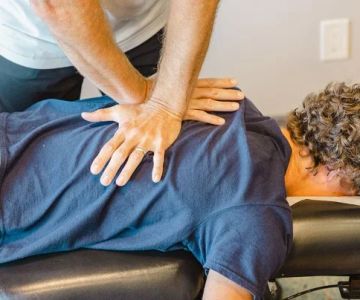

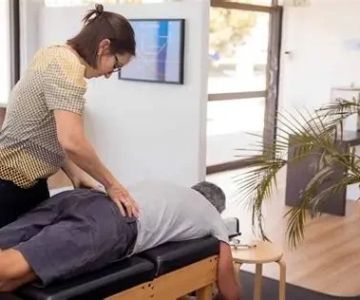


 Wellness in Motion Boston4.0 (76 reviews)
 Peak Healthcare and Rehab Chiropractic5.0 (241 reviews)
 Arlington Natural Wellness Center4.0 (24 reviews)
 Dr. Alan Rosen4.0 (1 reviews)
 Judge Family Chiropractic4.0 (47 reviews)
 Clinton Street Chiropractic Center5.0 (2 reviews)
 How Chiropractic Adjustments Help with Hip and Joint Pain Relief
 Can Chiropractic Care Solve Your Child's Chiropractic Care Problems? A Comprehensive Guide
 10 Things You Should Know About Chiropractic for Athletes
 Chiropractic Solutions for Postural Imbalances and Spinal Misalignments: Effective Treatments for Better Health
 Chiropractic & Wellness: Achieving Better Health Through Chiropractic Care
 Chiropractic Adjustment for a Locked SI Joint: What to Expect