
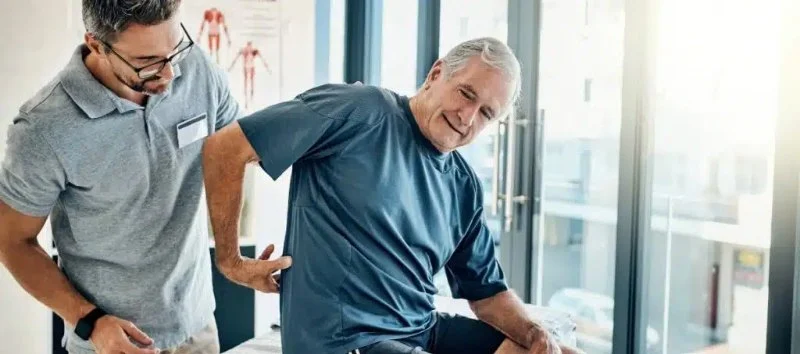
- understanding-spinal-stenosis - what spinal stenosis is and common symptoms
- why-choose-chiropractic - reasons for selecting non-surgical care for spinal stenosis
- initial-consultation-and-assessment - what to expect during the first visit
- treatment-techniques-used - detailed methods and approaches in chiropractic care
- progress-and-results - tracking improvements and challenges during therapy
- personal-insights-and-tips - lessons learned and advice for others
- ChiroScope-resources - where to find professional support and services
Understanding Spinal Stenosis
Spinal stenosis is a condition where the spaces within the spine narrow, placing pressure on the nerves that travel through the spinal column. It often occurs in the lower back (lumbar region) and neck (cervical region), causing symptoms such as numbness, tingling, pain, and difficulty walking or maintaining posture.
While surgery is sometimes recommended for severe cases, many individuals seek non-surgical options due to risks, recovery time, or personal preference. Understanding the condition and exploring alternative therapies can provide meaningful relief and improve quality of life.
Why Choose Chiropractic for Spinal Stenosis
I decided to pursue chiropractic care for my spinal stenosis after researching non-surgical treatments. The main reasons included avoiding invasive procedures, reducing medication reliance, and targeting the root cause of nerve compression through spinal alignment and therapeutic exercises.
Chiropractic care focuses on improving mobility, reducing nerve pressure, and restoring natural spinal function. This approach seemed promising for managing symptoms without the downtime or risks associated with surgery.
Initial Consultation and Assessment
1. Medical History Review
During my first visit, the chiropractor reviewed my complete medical history, previous imaging scans, and the progression of my symptoms. This step is crucial to design a safe and effective treatment plan tailored to individual needs.
2. Physical Examination
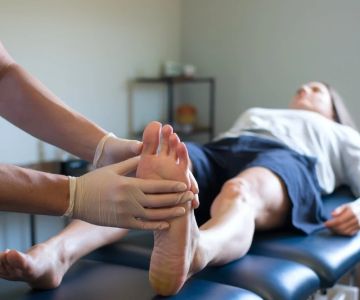
The assessment included checking posture, spinal flexibility, reflex responses, and muscle strength. These tests helped pinpoint areas of nerve compression and instability.
3. Setting Goals
Together with my chiropractor, we set realistic goals for pain relief, improved mobility, and long-term spinal health. Establishing measurable objectives helped track progress throughout the therapy.
Treatment Techniques Used
1. Spinal Adjustments
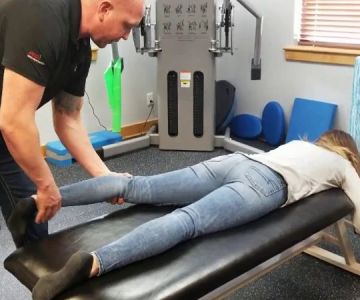
Manual spinal adjustments were performed to restore proper alignment, reduce nerve pressure, and improve mobility. These gentle manipulations focused on targeted vertebrae affected by stenosis.
2. Therapeutic Exercises
Strengthening and stretching exercises were incorporated to support spinal stability and reduce stress on compressed nerves. Exercises included core strengthening, hamstring stretches, and low-impact aerobic activities.
3. Soft Tissue Therapy
Massage and myofascial release techniques helped alleviate muscle tension and improve circulation around affected areas. This complemented spinal adjustments and enhanced overall comfort.
4. Lifestyle and Ergonomic Advice
I received guidance on proper posture, safe lifting techniques, and workspace ergonomics to minimize strain on the spine. Small changes in daily habits contributed significantly to pain management.
Progress and Results
Over several weeks, I noticed gradual improvements in mobility and reduction of numbness in my legs. Pain levels decreased from a constant dull ache to occasional mild discomfort. Walking distances increased, and overall energy improved.
Tracking progress through journals and follow-up assessments allowed the chiropractor to adjust treatment intensity and focus areas. Combining spinal adjustments with exercises and lifestyle modifications proved effective in managing my spinal stenosis without surgery.
Personal Insights and Tips
1. Consistency is Key
Regular chiropractic sessions and daily exercises were essential. Skipping appointments or neglecting home exercises slowed progress significantly.
2. Communicate Openly
Sharing pain levels, mobility challenges, and lifestyle changes with the chiropractor allowed for more personalized adjustments and recommendations.
3. Patience and Realistic Expectations
Non-surgical treatment takes time. While improvements are noticeable, complete resolution may not occur quickly. Setting achievable goals and celebrating small milestones helps maintain motivation.
ChiroScope Resources
For those interested in exploring chiropractic care for spinal stenosis, ChiroScope provides professional directories, patient reviews, and expert guidance to find reliable practitioners. The platform also offers tips for exercises, lifestyle adjustments, and ongoing spinal health management.
My experience with chiropractic for spinal stenosis without surgery has been encouraging. By combining professional care, exercises, and ergonomic practices, significant pain reduction and improved mobility are achievable, offering a practical alternative to invasive procedures.

 The Spine & Health Center of New Jersey - Park Ridge, NJ4.0 (45 reviews)
 Inner Healer Chiropractic5.0 (12 reviews)
 Maya Chiropractor in San Fernando Valley5.0 (132 reviews)
 Evolve Holistic Center5.0 (33 reviews)
 Hinsbrook Chiropractic2.0 (5 reviews)
 The View Chiropractic- Dr. John Steffens5.0 (148 reviews)
 What is the Difference Between a Chiropractor and a Physical Therapist for Herniated Discs
 How Chiropractic for Seniors Can Improve Your Daily Life
 Best Chiropractic Treatments for Frozen Shoulder Relief According to Experts
 The Science Behind Chiropractic and Chiropractor Benefits for Relief
 Expert Tips for Managing Sciatica Treatment Naturally with Chiropractic Care
 How Chiropractic Adjustments Can Improve Posture Correction