
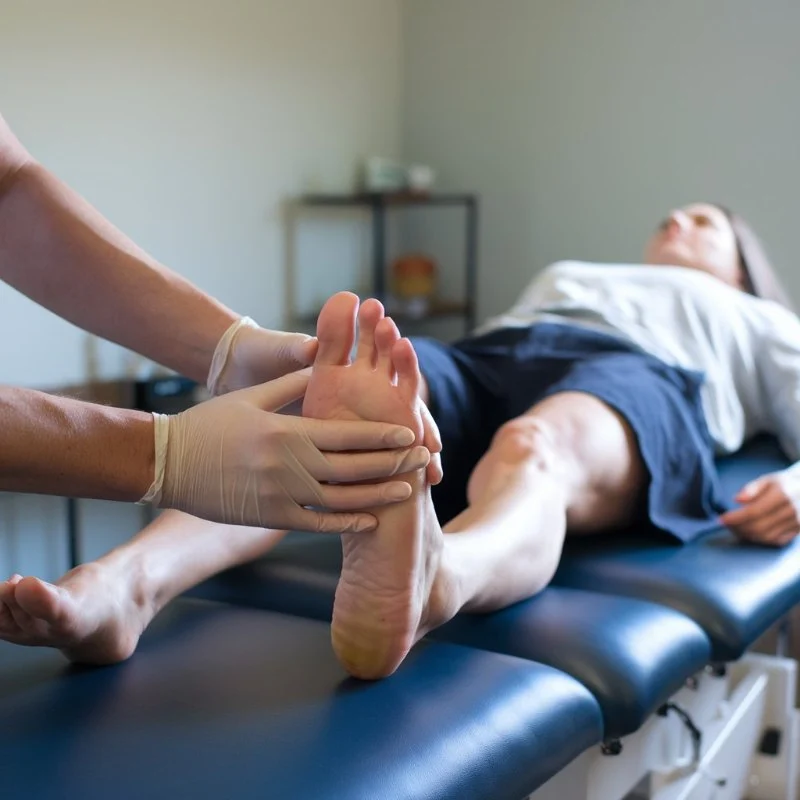
- 1-understanding-plantar-fasciitis-and-long-term-pain
- 2-why-standard-treatments-often-fail
- 3-how-chiropractic-extremity-adjustments-work
- 4-real-case-two-years-of-heel-pain-recovery
- 5-step-by-step-treatment-approach-in-chiropractic-care
- 6-how-body-alignment-affects-foot-pain
- 7-what-patients-should-expect-during-treatment
- 8-supporting-recovery-with-lifestyle-adjustments
- 9-how-chiroscope-connects-patients-to-specialists
- 10-long-term-prevention-strategies-for-recurrence
1. Understanding Plantar Fasciitis and Long-Term Pain
Plantar fasciitis is one of the most persistent causes of heel pain, often described as a sharp stabbing sensation during the first steps in the morning. For many individuals, the condition becomes a long-term struggle that can last months or even years if not properly addressed.
1.1 Why the Condition Becomes Chronic
The plantar fascia is a thick band of connective tissue that supports the arch of the foot. Repeated strain, poor biomechanics, or misalignment in the lower extremities can cause microtears that fail to heal properly, leading to chronic inflammation.
1.2 Emotional and Physical Impact
Living with long-term heel pain affects mobility, posture, and overall quality of life. Many people begin to avoid walking or exercising, which can lead to secondary issues such as weight gain or hip and back pain.
2. Why Standard Treatments Often Fail
Traditional treatments like rest, ice therapy, orthotics, or pain medication may provide temporary relief, but they often fail to address the root biomechanical cause.
2.1 Surface-Level Symptom Relief
Most conventional approaches reduce inflammation but do not correct structural imbalances in the feet, ankles, knees, or hips that contribute to repeated stress on the plantar fascia.
2.2 Recurrence of Symptoms
This is why many patients experience recurring pain even after months of treatment, leading to frustration and prolonged discomfort.
3. How Chiropractic Extremity Adjustments Work
Chiropractic extremity adjustments focus on restoring proper alignment not only in the spine but also in the joints of the feet, ankles, knees, and hips. This holistic approach helps redistribute mechanical stress and improve movement efficiency.
3.1 Joint Realignment and Mobility
By gently adjusting misaligned joints in the lower extremities, chiropractors help restore natural movement patterns that reduce strain on the plantar fascia.
3.2 Nervous System Communication
Improved alignment enhances nerve signaling between the brain and lower limbs, supporting better muscle coordination and reducing chronic tension patterns.
4. Real Case: Two Years of Heel Pain Recovery
A patient once described their journey: “I had plantar fasciitis for two years. Chiropractic extremity adjustments fixed it.” This reflects a common but often overlooked pathway to recovery.
4.1 The Patient’s Struggle
The individual tried multiple treatments—custom orthotics, physical therapy, and anti-inflammatory medications—but the pain always returned. Morning steps remained the most painful part of the day.
4.2 Turning Point Through Chiropractic Care
After consulting a chiropractor through ChiroScope, the patient underwent a full lower-limb evaluation. Misalignments were found in the ankle and knee joints, which were contributing to abnormal foot pressure.
4.3 Recovery Progress
Within weeks of consistent extremity adjustments, pain levels decreased significantly. After several months, the patient returned to normal walking, exercise, and daily activity without hesitation.
5. Step-by-Step Treatment Approach in Chiropractic Care
5.1 Comprehensive Assessment
Chiropractors begin by evaluating gait patterns, joint mobility, and posture to identify the root cause of imbalance.
5.2 Targeted Adjustments
Treatment involves precise adjustments to the foot, ankle, knee, and sometimes the spine to restore functional alignment.
5.3 Progressive Improvement Plan
Care plans are typically progressive, with adjustments becoming less frequent as stability improves and inflammation decreases.
6. How Body Alignment Affects Foot Pain
Foot pain is rarely isolated. Misalignment in the hips or knees can shift weight distribution, increasing pressure on the plantar fascia.
6.1 Chain Reaction in the Musculoskeletal System
When one joint is misaligned, the body compensates elsewhere. Over time, this compensation leads to chronic overuse injuries.
6.2 Restoring Balance
Extremity adjustments aim to reset this chain reaction, allowing weight to be distributed evenly across the body.
7. What Patients Should Expect During Treatment
7.1 Gentle and Controlled Adjustments
Contrary to misconceptions, extremity adjustments are typically gentle and precise, not forceful or painful.
7.2 Gradual Pain Reduction
Most patients experience gradual improvement rather than instant cure, as tissues and joints adapt to new alignment patterns.
8. Supporting Recovery with Lifestyle Adjustments
Chiropractic care is most effective when combined with supportive habits.
8.1 Footwear and Movement
Proper footwear with arch support helps maintain alignment achieved during treatment sessions.
8.2 Stretching and Strengthening
Exercises targeting the calves, Achilles tendon, and foot muscles improve long-term resilience.
8.3 Activity Modification
Reducing repetitive strain activities during recovery prevents reinjury and supports healing.
9. How ChiroScope Connects Patients to Specialists
ChiroScope helps individuals find qualified chiropractors who specialize in extremity adjustments and chronic pain conditions like plantar fasciitis. It simplifies access to care by connecting patients with practitioners experienced in biomechanical correction.
10. Long-Term Prevention Strategies for Recurrence
10.1 Maintaining Joint Mobility
Regular movement and periodic chiropractic checkups help prevent stiffness and misalignment from returning.
10.2 Strength and Stability Training
Strengthening stabilizing muscles in the lower limbs reduces strain on connective tissue structures.
10.3 Early Intervention
Addressing minor discomfort early prevents progression into chronic plantar fasciitis.
Many patients who once believed long-term heel pain was permanent now find lasting relief through chiropractic extremity adjustments, especially when guided by experienced providers found through ChiroScope.





 The Spine & Health Center of New Jersey - Park Ridge, NJ4.0 (45 reviews)
 Inner Healer Chiropractic5.0 (12 reviews)
 Maya Chiropractor in San Fernando Valley5.0 (132 reviews)
 Evolve Holistic Center5.0 (33 reviews)
 Hinsbrook Chiropractic2.0 (5 reviews)
 The View Chiropractic- Dr. John Steffens5.0 (148 reviews)
 What is the Difference Between a Chiropractor and a Physical Therapist for Herniated Discs
 How Chiropractic for Seniors Can Improve Your Daily Life
 Best Chiropractic Treatments for Frozen Shoulder Relief According to Experts
 The Science Behind Chiropractic and Chiropractor Benefits for Relief
 Expert Tips for Managing Sciatica Treatment Naturally with Chiropractic Care
 How Chiropractic Adjustments Can Improve Posture Correction