

- finding-sports-chiropractor-near-me - Understanding what makes a sports chiropractor different and why specialization matters
- qualifications-and-training - How to evaluate credentials, certifications, and real athletic experience
- treatment-approach-and-techniques - What modern sports chiropractic care actually includes beyond adjustments
- real-life-injury-recovery-case - A practical example of athletic recovery using chiropractic care
- choosing-the-right-clinic - What to check before booking your first appointment
- long-term-performance-support - How chiropractic care supports prevention, not just recovery
Understanding What “Sports Injury Chiropractic Care” Really Means
When people search for a sports injury chiropractor near me, they’re usually dealing with more than simple back pain. It might be a runner with recurring knee strain, a basketball player with ankle instability, or someone who just overdid it at the gym. Sports chiropractic care focuses on restoring movement, reducing pain, and improving performance in a way that standard chiropractic care often does not fully address.
Unlike general spinal care, a chiropractor for athletes studies biomechanics in motion. That means they don’t just look at where pain is located—they analyze how your body moves during your sport. A small imbalance in hip alignment, for example, can lead to repetitive stress injuries in the knees or lower back over time.
In major athletic communities across the U.S., sports chiropractic care has become a key part of training programs. Professional and amateur athletes increasingly rely on this approach because it supports faster recovery and helps prevent recurring injuries.
What Sets a Sports Injury Chiropractor Apart From a General Practitioner
Not all chiropractic professionals specialize in athletics. A true sports injury chiropractor typically undergoes additional training in sports medicine, rehabilitation exercises, and movement analysis. This extra expertise is what makes a difference when dealing with high-impact or repetitive strain injuries.
For example, a general chiropractor might focus primarily on spinal adjustments, while a sports-focused specialist will also integrate soft tissue therapy, functional movement screening, and corrective exercise planning. This combination helps athletes not only heal but return stronger and more balanced than before.
One overlooked factor is recovery planning. Sports chiropractors often work with training schedules, ensuring treatment aligns with competition cycles. This is particularly important for runners, CrossFit athletes, and contact sports players who cannot afford long downtime.
How to Evaluate the Right Specialist Near You
When searching for the right professional, proximity is helpful, but not the only factor. Many people type “sports injury chiropractor near me” and choose the closest option, only to realize later that experience matters more than distance.
Start by looking at their background. Do they have experience working with athletes or sports teams? Have they treated injuries similar to yours? A chiropractor who regularly handles ACL strain recovery or shoulder impingement in athletes is more likely to understand your condition quickly.
Another important factor is communication style. Good specialists explain what is happening in your body instead of just performing adjustments. They should be able to clearly connect your pain with movement patterns, posture issues, or training habits.
Platforms like ChiroScope help users explore chiropractic options more efficiently, especially when trying to match specific injury types with experienced professionals.
A Real-World Story: From Running Injury to Full Recovery
A recreational marathon runner in Colorado experienced recurring shin splints that forced her to stop training multiple times. Initially, she tried rest and basic physical therapy, but the pain kept returning. After searching for a sports injury chiropractor near me, she found a specialist who focused on gait analysis.
Instead of only treating the shin area, the chiropractor discovered a hip imbalance that caused uneven pressure during running. Through a combination of spinal adjustments, hip mobility work, and customized strengthening exercises, the athlete gradually rebuilt proper alignment.
Within eight weeks, she returned to running without pain. More importantly, she learned how small biomechanical issues can create large injury cycles if left untreated. This type of case is common in sports chiropractic clinics, where the goal is not just pain relief but long-term movement correction.
What Happens During a Sports Chiropractic Session
A typical visit goes beyond a quick adjustment. The process often begins with a detailed consultation about your activity level, injury history, and training habits. The chiropractor may observe how you walk, squat, or perform sport-specific movements.
After assessment, treatment may include spinal adjustments, joint mobilization, muscle release techniques, or rehabilitation exercises. Unlike passive treatment approaches, sports chiropractic care often involves active participation from the patient.
Some clinics even integrate modern tools such as digital posture analysis or motion tracking systems. These technologies help identify subtle imbalances that are not visible during a basic physical exam.
Why Athletes Rely on Chiropractic Care for Performance
Many athletes do not seek chiropractic care only after injury. Instead, they use it as part of ongoing performance maintenance. Proper alignment can improve mobility, reduce fatigue, and even enhance coordination during competition.
In sports like tennis, football, or weightlifting, repetitive stress is unavoidable. Regular care helps reduce the buildup of tension that eventually leads to injury. This preventive approach is one of the reasons professional sports teams often include chiropractors in their medical staff.
Even non-professional athletes benefit from this approach. Weekend runners or gym enthusiasts often notice improvements in flexibility and recovery speed after consistent treatment.
Choosing a Clinic That Matches Your Long-Term Goals
When selecting a provider, think beyond immediate pain relief. The right specialist should help you understand how to maintain your body over time. That includes posture correction, mobility training, and injury prevention strategies.
If your goal is long-term fitness or competitive performance, working with a chiropractor who understands athletic progression is essential. Some clinics even collaborate with trainers and physiotherapists to create complete recovery plans.
Before committing, ask about their approach to follow-up care and whether they offer customized exercise programs. These details often reveal how comprehensive their treatment philosophy really is.
Building Long-Term Recovery and Injury Prevention Habits
Sports injuries rarely happen overnight. They are usually the result of repeated strain, poor movement patterns, or inadequate recovery. Chiropractic care helps address these root causes instead of just symptoms.
Combining treatment with proper warm-ups, mobility exercises, and rest cycles significantly reduces the chance of reinjury. Many athletes who consistently follow this approach report better endurance and fewer setbacks in training.
If you are currently dealing with pain or limited mobility, taking the first step toward finding a qualified sports injury chiropractor near me can change how your body performs in the long run. Exploring platforms like ChiroScope can help you connect with specialists who understand both recovery and athletic performance.


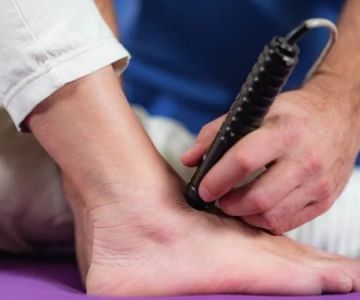

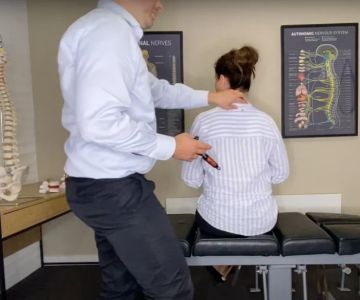

 Jessica N. Johnson Zortman, DC0.0 (0 reviews)
 Complete Chiropractic Rehabilitation4.0 (1 reviews)
 Eaton Chiropractic and Rehab Center5.0 (11 reviews)
 Truly Chiropractic Inc5.0 (35 reviews)
 Catalina Chiropractic Center4.0 (74 reviews)
 Prestige Health and Wellness - Chelsea4.0 (474 reviews)
 Understanding the Connection Between Back Pain Relief and Your Spine
 How Chiropractic Care Can Help with Pinched Nerve Problems
 What Causes Herniated Disc Care and How Chiropractors Treat It
 Chiropractic for Managing Digestive Health and Gut Wellness - ChiroScope
 Everything You Need to Know About How Often to Visit a Chiropractor from a Chiropractic Perspective
 How Chiropractic Adjustments Improve Performance for Athletes