

Why Neck Alignment Matters More Than Most Singers Realize
- cervical-spine-impact - how neck structure directly affects vocal performance
- voice-teacher-strain-patterns - repetitive stress from teaching and demonstration
- posture-and-breath-control - connection between alignment and breathing efficiency
- chiropractic-support-benefits - how targeted adjustments can support vocal health
- real-world-vocal-stories - singers dealing with chronic tension and recovery
For many voice teachers and singers, vocal training focuses almost entirely on breath control, resonance, and technique. Yet one critical factor is often overlooked: cervical spine alignment. The way the neck and upper spine are positioned directly influences vocal cord function, airflow, and even tone stability. This is where chiropractic for voice teachers and singers with cervical spine tension becomes a valuable part of long-term vocal care.
The cervical spine is not just structural support—it is deeply connected to muscles involved in swallowing, jaw movement, and vocal production. When tension builds in this area, even subtle misalignments can affect performance, endurance, and vocal clarity.
Understanding Cervical Spine Tension in Vocal Professionals
Voice teachers and singers often spend hours in physically demanding positions. Teachers may demonstrate vocal techniques repeatedly throughout the day, while singers may practice with forward head posture or elevated shoulders during intense rehearsals.
Over time, this creates chronic tension in the neck, particularly in the upper cervical region. This tension can lead to stiffness, reduced range of motion, and a feeling of “tightness” when attempting to sing higher notes or sustain breath control.
One vocal coach from New York described how she began experiencing vocal fatigue halfway through lessons. Initially, she assumed it was vocal strain, but later discovered that cervical spine tension was restricting her breathing mechanics.
How Cervical Alignment Influences Vocal Performance
The relationship between posture and voice production is more direct than most people realize. When the cervical spine is misaligned, it can compress surrounding muscles and nerves that support the larynx. This affects both pitch control and vocal endurance.
Proper alignment allows the diaphragm and ribcage to expand freely. This creates a more stable airflow, which is essential for sustained singing and vocal projection. Even minor improvements in posture can lead to noticeable changes in vocal tone.
Many singers report that after addressing neck alignment issues, their upper register becomes easier to access, and vocal breaks become less frequent.
How Chiropractic Care Supports Vocal Health
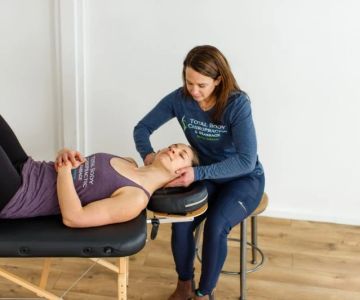
Chiropractic care focuses on restoring alignment in the spine, including the cervical region. For singers and voice teachers, this approach can help reduce muscle tension that interferes with vocal performance.
Targeted adjustments aim to improve mobility in the neck and upper back, allowing for better posture and reduced strain during vocal use. This is not about changing vocal technique but optimizing the physical structure that supports it.
A classical singer in Chicago shared her experience of struggling with persistent neck stiffness during rehearsals. After several weeks of chiropractic care focused on cervical alignment, she noticed improved breath control and reduced tension during long performances.
Platforms like ChiroScope often highlight how posture-based care can complement vocal training and support long-term performance health.
Common Signs of Cervical Tension in Singers
Recognizing early symptoms is important for preventing long-term vocal strain. Many singers ignore physical warning signs until they begin affecting performance quality.
Common indicators include tightness when turning the head, difficulty sustaining notes, and a feeling of pressure around the jaw or upper neck. Some also experience reduced vocal range or instability in pitch control.
These symptoms often develop gradually, making them easy to overlook until they become persistent.
Why Voice Teachers Are Especially at Risk
Voice teachers face a unique challenge because they frequently demonstrate vocal techniques while maintaining awkward postures. Repetitive head tilting, leaning forward, or projecting voice in non-ideal positions contributes to cumulative strain.
Unlike singers who may have recovery time between performances, teachers often repeat these movements daily without adequate rest. This creates ongoing stress in the cervical spine.
Over time, this can lead to chronic stiffness that affects both teaching effectiveness and personal vocal health.
Real-World Example of Recovery Through Alignment Work
A professional choir director in California experienced recurring vocal fatigue that worsened during rehearsal seasons. Initially attributed to overuse, the issue persisted even after vocal rest.
After evaluation, it became clear that forward head posture and cervical misalignment were contributing to restricted airflow and muscle tension. Through consistent chiropractic care combined with posture awareness exercises, the director gradually regained vocal stability and endurance.
This case highlights how physical structure and vocal performance are deeply interconnected.
Integrating Chiropractic Care With Vocal Training
Chiropractic care is most effective when combined with proper vocal technique. Singers benefit from pairing spinal alignment work with breath training, posture correction, and vocal warm-ups.
Simple daily habits such as neck mobility exercises, shoulder relaxation routines, and awareness of head position during singing can significantly reduce strain.
The goal is not dependency on treatment but building long-term awareness of how the body supports vocal production.
Building a Sustainable Vocal Health Routine
Long-term vocal success depends on maintaining both technical skill and physical alignment. Many professional singers incorporate regular bodywork, stretching, and posture checks into their routine.
By addressing cervical spine tension early, performers can avoid chronic issues that limit vocal range or cause fatigue during demanding schedules.
For those exploring structured support systems, resources like ChiroScope provide insights into how chiropractic care can integrate with vocal health strategies for sustained performance improvement.
Chiropractic for voice teachers and singers with cervical spine tension is not just about relieving discomfort—it is about unlocking more efficient, balanced, and sustainable vocal performance through better structural alignment.





 Equilibrium Wellness Center4.0 (63 reviews)
 Network Chiropractic of Somerset, P.C. in North Brunswick4.0 (46 reviews)
 Total Life Chiropractic5.0 (221 reviews)
 Raleigh Specific Chiropractic & Spinal Decompression5.0 (401 reviews)
 Greenwich Wellness5.0 (81 reviews)
 Roskos Chiropractic Office5.0 (12 reviews)
 What Causes Migraines and How Chiropractors Treat It
 Chiropractic Adjustments for Improving Your Flexibility and Range of Motion
 My Experience with Chiropractic for Chronic Pelvic Floor Tension and Dyspareunia
 Chiropractic Solutions for Managing Chronic Fatigue and Low Energy Levels
 A Parent’s Story: Asthma Symptoms Improved After Chiropractic Care
 Chiropractic Therapy for Improving Flexibility and Mobility in Older Adults