

- understanding-basics - What each technique means and why they are not the same
- how-adjustments-work - The mechanics behind chiropractic adjustment
- joint-mobilization-explained - Gentle movement therapy and when it is used
- key-differences - Force, speed, purpose, and patient experience compared
- real-life-scenarios - When each method is typically recommended
- safety-and-comfort - What patients usually feel during treatment
- choosing-right-care - How professionals decide the best approach
Understanding Two Common Hands-On Approaches in Chiropractic Care
When people first visit a chiropractor, one of the most common sources of confusion is hearing terms like chiropractic adjustment and joint mobilization. They sound similar, and both involve hands-on techniques, but they are not interchangeable. Each one serves a different purpose in restoring movement, reducing discomfort, and improving how the body functions.
In modern chiropractic care, these two approaches are often used strategically depending on the patient’s condition, pain level, and overall mobility. Understanding the difference can help patients feel more confident and involved in their treatment decisions.
How a Chiropractic Adjustment Works in Real Practice
A chiropractic adjustment—sometimes called spinal manipulation—is a precise, controlled, and often quick movement applied to a specific joint. The goal is to restore normal motion to a joint that has become restricted or “stuck.”
What actually happens during an adjustment
During an adjustment, a chiropractor applies a short, high-velocity thrust to a joint. This may produce a popping or cracking sound, which is simply gas releasing from the joint space. While the sound can be surprising, it is not an indicator of pain or damage.
Why chiropractors use this technique
This method is often used when a joint has lost mobility due to stiffness, injury, or prolonged poor posture. The adjustment aims to:
1. Restore joint alignment and movement2. Reduce nerve irritation caused by restricted motion3. Improve overall biomechanical balance
For example, someone who spends long hours working at a desk may develop stiffness in the lower back. A chiropractor might use adjustments to restore motion in the lumbar spine and reduce discomfort quickly.
What Joint Mobilization Means and How It Feels Different
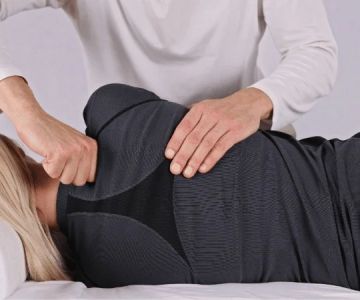
While adjustments are fast and precise, joint mobilization is slow, gentle, and rhythmic. It involves moving a joint through its natural range of motion without the quick thrust used in spinal manipulation.
How mobilization is performed
A chiropractor or manual therapist applies repeated, controlled movements to gradually improve joint flexibility. There is no sudden force or cracking sound involved.
Why mobilization is chosen
Joint mobilization is commonly used when:
1. A patient is sensitive to forceful movements2. The joint is inflamed or recently injured3. A gradual approach is safer for recovery
A real-world example involves older patients with arthritis in the shoulders or knees. Instead of using a quick adjustment, a practitioner may choose mobilization to slowly increase range of motion while minimizing discomfort.
Key Differences Between Adjustment and Mobilization
Although both techniques aim to improve joint function, the difference lies in how they are applied and how the body responds to them.
Force and speed
Adjustments use a quick, high-force impulse. Mobilization relies on slow, low-force repetition. This fundamental difference shapes how each technique feels and when it is used.
Therapeutic purpose
Adjustments are often used for immediate joint restriction release, while mobilization focuses on gradual improvement of movement patterns over time.
Patient experience
Some patients prefer adjustments because they feel immediate relief. Others feel more comfortable with mobilization because it is gentler and more controlled.
Real-Life Scenarios That Show the Difference Clearly
To better understand how these methods work in practice, consider two common patient stories often seen in chiropractic clinics.
Case 1: Sudden neck stiffness after sleep
A young office worker wakes up unable to turn their neck comfortably. The issue is likely a joint restriction. A chiropractor may use a precise adjustment to restore movement quickly and reduce acute discomfort.
Case 2: Long-term shoulder tightness
An older patient experiences gradual stiffness in the shoulder due to aging and reduced activity. In this case, mobilization is preferred to gently increase flexibility without stressing the joint.
In many clinics, including those supported by platforms like ChiroScope, practitioners often combine both techniques depending on how the patient responds over time.
What Patients Usually Feel During Each Technique
Understanding the sensory experience helps reduce anxiety before treatment.
During a chiropractic adjustment
Patients may feel a quick release or “click” followed by immediate relief. Some describe it as a reset sensation in the joint.
During joint mobilization
The feeling is more like a slow stretch or repeated gentle pressure. It is often relaxing rather than surprising.
How Professionals Decide Which Method to Use
The choice between adjustment and mobilization is not random. Chiropractors assess several factors:
1. Patient age and bone health2. Level of pain or inflammation3. Type of joint restriction4. Patient comfort and preference
In many cases, both techniques are used together as part of a broader treatment plan. For example, mobilization may be used early in recovery, followed by adjustments once inflammation decreases.
Why Understanding These Differences Matters for Patients
Knowing the difference between these two approaches helps patients set realistic expectations and feel more in control of their care. It also builds trust between practitioner and patient, especially when treatments are tailored to individual needs.
Modern chiropractic care is not a one-size-fits-all system. It is a flexible approach that blends precision, comfort, and long-term joint health strategies. Patients who understand both techniques are better prepared to engage in their recovery process and communicate effectively with their provider.




 Coniglio Chiropractic Wellness Center4.0 (45 reviews)
 Vitality Chiropractic4.0 (161 reviews)
 Complete Chiropractic and Rehab4.0 (286 reviews)
 Governor's Park Chiropractic | Wheat Ridge Chiropractors4.0 (143 reviews)
 Kenneth J. Fish, D.C.4.0 (32 reviews)
 King of Prussia Chiropractic & Rehabilitation4.0 (53 reviews)
 Chiropractic Care for Children: Addressing Growing Pains and Developmental Health
 Benefits of Chiropractic Care for Improving Mobility in the Elderly
 The Truth About Pregnancy and Chiropractic and What Chiropractors Recommend
 Chiropractic Care for Managing Back Pain from Poor Posture
 How Chiropractic Treatments Help with TMJ (Temporomandibular Joint) Issues
 Chiropractic vs Physical Therapy: Which Is Better for Your Spine?