
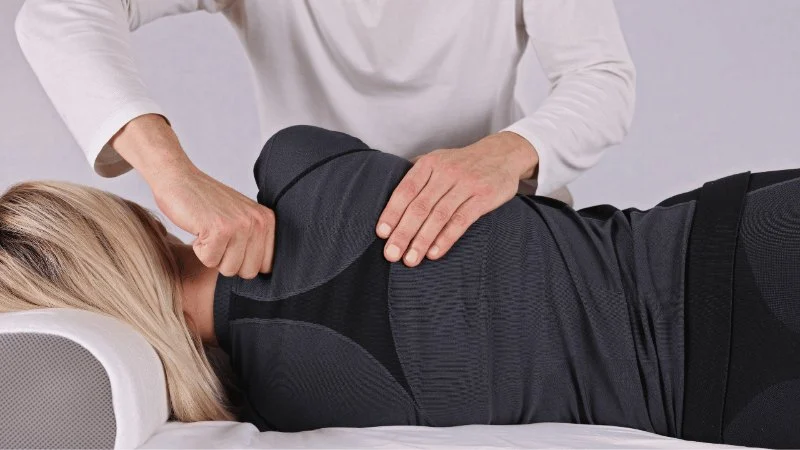
Can a Chiropractor Help with Lymphatic Drainage and Swelling? What Patients Need to Know First
- Lymphatic System Basics - How fluid balance works in the body #lymphatic-system
- Chiropractic Connection - How spinal alignment influences lymph flow #chiropractic-connection
- Swelling and Inflammation Causes - Why fluid builds up #swelling-causes
- Chiropractic Techniques Used - Adjustments, soft tissue therapy, and movement #techniques
- Real Patient Recovery Story - Post-injury swelling improvement #case-story
- What Chiropractic Care Can and Cannot Do #limits-and-benefits
- Post-Surgery and Injury Swelling Management #recovery-care
- Professional Opinions and Clinical Perspective #medical-view
- At-Home Support for Lymphatic Health #self-care
- When to Seek Chiropractic Care Like ChiroScope Services #when-to-seek-care
Lymphatic System Basics - How Fluid Balance Works in the Body
Why lymph flow is essential for swelling control
To understand whether a chiropractor can help with lymphatic drainage and swelling, it’s important to first understand how the lymphatic system works. The lymphatic system is responsible for removing excess fluid, waste products, and toxins from tissues. When this system slows down or becomes restricted, swelling (also known as edema) can occur.
Unlike the circulatory system, the lymphatic system does not have a central pump like the heart. Instead, it relies on muscle movement, breathing, and body posture to move fluid through lymph vessels.
Why swelling happens in everyday situations
Swelling can develop after injuries, surgeries, prolonged sitting, or even minor inflammation. Many people first notice it in the ankles, hands, or neck area. In these cases, the body is signaling that fluid drainage is not functioning efficiently.
Chiropractic Connection - How Spinal Alignment Influences Lymph Flow
The nervous system and lymphatic interaction
Chiropractic care focuses on spinal alignment and nervous system function. Since the nervous system plays a role in regulating muscle movement and tissue function, some chiropractors believe that spinal misalignments may indirectly affect lymphatic flow.
When posture is poor or spinal joints are restricted, surrounding muscles may not move efficiently, which can reduce natural lymphatic circulation.
Why posture matters more than most people realize
People who sit for long hours often experience stiffness in the neck and lower back. This lack of movement can slow lymphatic drainage, contributing to mild swelling or fluid retention over time.
Swelling and Inflammation Causes - Why Fluid Builds Up
Common triggers behind fluid retention
Swelling is not a disease itself but a symptom of underlying issues. Injury, infection, inflammation, or circulatory restrictions can all contribute. After sprains or muscle strain, the body sends extra fluid to protect the affected area, leading to visible swelling.
In some cases, chronic inflammation or sedentary lifestyle habits can also contribute to long-term fluid retention.
Chiropractic Techniques Used - Adjustments, Soft Tissue Therapy, and Movement
How chiropractors may support lymphatic drainage
When asking can a chiropractor help with lymphatic drainage and swelling, the answer often depends on the technique used. Chiropractors may use spinal adjustments to improve joint mobility, which encourages better movement and circulation.
Soft tissue therapies, including gentle massage and myofascial release, can also help stimulate lymph flow by encouraging muscle relaxation and improved fluid movement.
Movement-based recovery approaches
Some chiropractic care plans include guided exercises designed to activate muscle pumps, which naturally support lymphatic drainage.
Real Patient Recovery Story - Post-Injury Swelling Improvement
A sports injury case in a recreational athlete
A recreational runner in Colorado experienced significant ankle swelling after a mild ligament injury. Traditional rest helped reduce pain, but swelling persisted longer than expected.
After receiving chiropractic care focusing on lower limb mobility and soft tissue therapy, the patient reported gradual reduction in swelling over several sessions. While the injury healed naturally, improved circulation and movement appeared to accelerate recovery comfort.
What this case suggests in real life
This type of case highlights that chiropractic care does not “cure” swelling directly but may support the body’s natural recovery process by improving mobility and reducing physical restrictions.
What Chiropractic Care Can and Cannot Do
Understanding realistic expectations
Chiropractic care may help support lymphatic drainage indirectly through movement, posture correction, and muscle relaxation. However, it is not a direct medical treatment for serious lymphatic disorders or systemic diseases.
In cases involving infection, heart-related swelling, or kidney issues, medical evaluation is essential before considering chiropractic support.
Post-Surgery and Injury Swelling Management
Why controlled movement is important during recovery
After surgery or injury, swelling is part of the healing process. Gentle movement, when approved by medical professionals, can help prevent fluid stagnation and stiffness.
Chiropractic care may be integrated into recovery plans to support mobility and comfort, depending on the patient’s condition.
Professional Opinions and Clinical Perspective
What many practitioners agree on
Many healthcare professionals recognize that movement-based therapies can support lymphatic function. While chiropractic care is not a primary treatment for lymphatic diseases, it may play a complementary role in musculoskeletal-related swelling.
The key distinction is understanding that chiropractic care supports structure and movement rather than directly treating internal organ function.
At-Home Support for Lymphatic Health
Simple habits that improve natural drainage
Daily walking, hydration, deep breathing exercises, and stretching can all help improve lymphatic flow. These simple habits activate muscle movement, which is essential for lymph circulation.
Avoiding prolonged sitting also plays a major role in reducing mild swelling over time.
When to Seek Chiropractic Care Like ChiroScope Services
Recognizing when professional support may help
If swelling is related to posture issues, minor injuries, or musculoskeletal tension, chiropractic care may provide supportive relief. However, persistent or severe swelling should always be evaluated medically first.
For individuals exploring professional chiropractic support and personalized care options, platforms like





 Dolores Park Chiropractic4.0 (4 reviews)
 Denver Chiropractic LLC4.0 (1043 reviews)
 Solutions Alternative Healthcare, LLC5.0 (200 reviews)
 Safety Lane4.0 (24 reviews)
 Jeffrey James DC DACNB West Los Angeles Non Surgical Spinal Decompression & Chiropractic Neurology4.0 (19 reviews)
 Serving Life Chiropractic5.0 (201 reviews)
 Can Chiropractic Care Solve Your Sciatica Treatment Problem?
 How Chiropractic Therapy Can Improve Athletic Performance and Flexibility | ChiroScope
 My Experience with Chiropractic for Spinal Stenosis Without Surgery
 Chiropractic Insurance Coverage Tips You Can Use Right Now
 The Science Behind Chiropractic and Desk Job Posture Problems Relief
 Chiropractic Solutions for Managing Long-Term Pain from Injuries: Effective Treatments & Benefits