

Understanding Pudendal Neuralgia and Pelvic Floor Pain
Pudendal neuralgia is a condition characterized by chronic pain along the pudendal nerve, which runs from the lower back through the pelvis and into the genital region. Symptoms often include burning, stabbing, or tingling sensations in the pelvic area, as well as discomfort during sitting or sexual activity. Pelvic floor pain can overlap with this condition, caused by tight or weakened muscles, nerve entrapments, or inflammation.
Many patients report that these symptoms significantly impact daily activities, sleep quality, and emotional wellbeing. Understanding the root cause of the pain, whether neurological, muscular, or a combination of both, is critical for effective treatment.
Role of Chiropractic Care in Pelvic Health
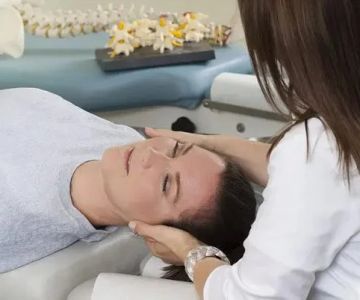
Chiropractors are trained to assess and treat musculoskeletal and nervous system dysfunctions. In the context of pudendal neuralgia and pelvic floor pain, chiropractic care focuses on restoring proper alignment, reducing nerve compression, and improving muscle function.
By performing a detailed examination of the spine, pelvis, and hips, chiropractors identify areas of tension, misalignment, or restricted movement. Treatments may include spinal adjustments, pelvic realignment, and manual therapy targeted at relieving pressure on the pudendal nerve.
Chiropractic care is holistic in nature, addressing not only the site of pain but also contributing factors such as posture, gait, and core stability, which are often overlooked in conventional treatments.
Treatment Strategies for Pudendal Nerve Pain
Chiropractors employ several strategies to help patients manage pudendal neuralgia:
- Manual Adjustments: Gentle spinal and pelvic adjustments help correct misalignments that may be compressing the pudendal nerve, reducing nerve irritation and improving mobility.
- Soft Tissue Therapy: Techniques such as myofascial release, trigger point therapy, and massage are used to relax tight pelvic muscles and fascia that can entrap or irritate the nerve.
- Rehabilitation Exercises: Targeted exercises strengthen core and pelvic floor muscles, improve circulation, and enhance postural support, which can reduce nerve strain over time.
In addition to these therapies, chiropractors often advise on ergonomics, activity modifications, and stretching routines to prevent recurrence of pain.
Integrating Chiropractic Care with Other Therapies
For many patients, a multi-disciplinary approach yields the best results. Physical therapists specializing in pelvic floor rehabilitation can complement chiropractic care by focusing on muscle control, coordination, and nerve desensitization exercises. Pain management specialists may also assist in addressing inflammation and providing pharmacological support when necessary.
Combining these therapies ensures that both the structural and functional aspects of pudendal neuralgia are addressed, providing comprehensive relief and improved quality of life.
Patient Experiences and Case Studies
Consider Emily, a 35-year-old teacher who developed severe pelvic floor pain and pudendal nerve irritation after childbirth. After months of conventional therapies with limited relief, she turned to chiropractic care. Through a combination of pelvic adjustments, targeted soft tissue therapy, and guided rehabilitation exercises, Emily reported a 70% reduction in pain within three months. She regained comfort during daily activities and improved her posture, which helped prevent flare-ups.
Another case involves John, a 42-year-old office worker with chronic sitting-related pelvic discomfort. A chiropractor identified pelvic misalignments and muscle tightness contributing to pudendal nerve compression. After six weeks of treatment and home exercises recommended by his chiropractor, John experienced notable relief and improved functional mobility, allowing him to return to work without pain.
Tips for Choosing the Right Chiropractor
Selecting a chiropractor experienced in pelvic health is critical. Key factors to consider include:
- Credentials and certifications in musculoskeletal and pelvic health care
- Experience treating pudendal neuralgia or chronic pelvic pain
- Patient testimonials and case studies demonstrating effective results
- Collaborative approach with other healthcare providers
- Clear communication about treatment plans, expectations, and progress tracking
Visiting a knowledgeable chiropractor through platforms like ChiroScope ensures access to specialists who can create personalized care plans for pudendal neuralgia and pelvic floor pain.
Actionable Advice for Managing Pelvic Pain at Home
Alongside professional care, patients can take steps at home to support recovery:
- Maintain proper posture while sitting and standing to reduce nerve pressure
- Practice gentle pelvic floor stretches and breathing exercises
- Use supportive seating cushions to alleviate pressure during prolonged sitting
- Apply heat or cold therapy to relieve muscle tension and inflammation
- Keep a symptom journal to track triggers and improvements
Consistency in these practices, combined with professional chiropractic care, often accelerates recovery and helps prevent future episodes of pain.
Chiropractors can play a significant role in the management of pudendal neuralgia and pelvic floor pain. By combining manual adjustments, soft tissue therapy, rehabilitation exercises, and lifestyle guidance, patients can experience meaningful relief and improved pelvic health. For personalized recommendations and access to trusted specialists, ChiroScope provides a reliable resource for those seeking effective treatment strategies.





 Miano Family Chiropractic Center, LLC5.0 (4 reviews)
 Family Chiropractic Wellness Center5.0 (1 reviews)
 Zalben Zone Chiropractic5.0 (217 reviews)
 Benjamin Chiropractic5.0 (5 reviews)
 Louis Perrone DC MS5.0 (2 reviews)
 Rief Chiropractic - Darren Rief, DC5.0 (61 reviews)
 Best Chiropractic Treatments for a Chiropractic Wellness Routine According to Experts
 The Truth About Back Pain Relief and What Chiropractors Recommend
 Can Chiropractic Care Solve Your Chiropractic and Sleep Problem?
 How Chiropractic Adjustments Help with Hip and Joint Pain Relief
 Best Chiropractic Treatments for Chiropractic Side Effects According to Experts
 How to Find a Chiropractor for Parkinson’s Balance Exercise Care