
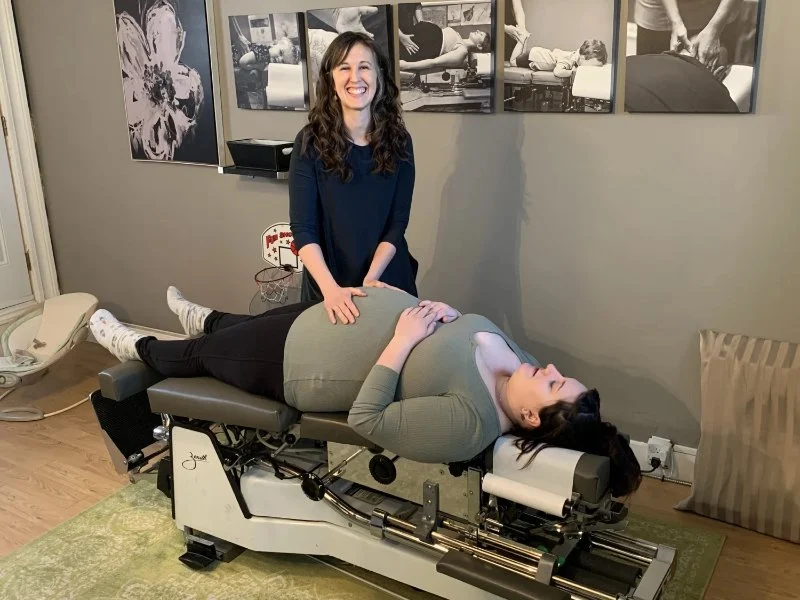
- Understanding Care - what chiropractic pelvic adjustment pregnancy actually involves
- Safety Insight - how prenatal chiropractic adjustment is performed safely
- What Happens - step-by-step experience during pelvis alignment pregnancy care
- Real Case Story - first-time pregnancy lower back pain relief journey
- After Effects - what to expect in your body post-adjustment
- Choosing Care - when to seek support and how to evaluate providers
Understanding What Happens During a Pelvic Chiropractic Adjustment in Pregnancy
When people first hear about chiropractic pelvic adjustment pregnancy care, there is often a mix of curiosity and hesitation. The idea of someone adjusting the pelvis during pregnancy can sound intimidating, especially for first-time mothers. In reality, the process is typically gentle, highly controlled, and designed specifically for the changing biomechanics of pregnancy.
During pregnancy, the body releases hormones like relaxin, which loosen ligaments to prepare for childbirth. While this is natural and necessary, it can also lead to instability in the pelvis, causing discomfort, uneven posture, or lower back strain. This is where pelvis alignment pregnancy care becomes relevant.
The goal is not to “force” anything into place, but to support the body’s natural alignment so that both comfort and mobility improve. Many patients describe it as subtle but noticeable relief rather than dramatic manipulation.
What a Prenatal Chiropractic Adjustment Actually Looks Like
A prenatal chiropractic adjustment is very different from general chiropractic care seen in standard clinics. Techniques are adapted for safety, comfort, and the physical needs of pregnancy. Instead of high-force movements, chiropractors typically use gentle pressure, specialized tables, and positioning that avoids abdominal stress.
Before any adjustment happens, there is usually an evaluation phase. This includes posture assessment, movement testing, and discussion of symptoms such as pelvic pain, sciatica, or hip tightness. The practitioner builds a treatment plan based on individual pregnancy stage and comfort level.
One important detail many expectant mothers appreciate is the use of pregnancy-specific equipment. Some clinics use adjustable tables with abdominal cutouts or side-lying techniques, which allow safe positioning without compressing the belly.
The experience is often described as slow, deliberate, and collaborative. Patients are usually encouraged to communicate any discomfort immediately, ensuring full control over the process.
Why Pelvis Alignment Matters So Much During Pregnancy
As pregnancy progresses, weight distribution changes significantly. The center of gravity shifts forward, which increases strain on the lower back and pelvic joints. This is one reason pregnancy lower back pain relief is such a common reason women seek chiropractic support.
When the pelvis becomes misaligned, it can contribute to uneven pressure on muscles and ligaments. This may lead to discomfort while walking, sleeping, or standing for long periods. Some women even experience difficulty transitioning between positions, such as getting in and out of bed.
Proper alignment may also support more balanced posture and reduce tension in surrounding muscle groups. While every pregnancy is unique, many patients report improved mobility after consistent care sessions.
Step-by-Step: What to Expect During the Adjustment Session
Understanding the actual flow of a session helps reduce anxiety. A typical visit begins with a short check-in about symptoms, daily activity, and any changes since the last appointment. This is followed by gentle assessment of pelvic balance and spinal alignment.
Once the chiropractor identifies areas of tension or imbalance, the adjustment phase begins. This may involve light manual pressure applied to the hips or lower spine while the patient lies on their side or in a supported position.
There is usually no sudden twisting or forceful cracking sensations that people associate with general chiropractic myths. Instead, movements are precise and controlled, focusing on encouraging natural repositioning rather than forcing change.
Some patients report a sense of release or warmth in the area immediately after adjustment. Others notice gradual improvement over the next 24–48 hours as muscles adapt to improved alignment.
A Real-Life Story: First Pregnancy and Unexpected Relief
A patient in her second trimester once shared her experience after struggling with persistent pelvic pressure and difficulty sleeping. She initially assumed it was just a normal part of pregnancy and tried to manage it with rest alone. However, the discomfort began affecting her daily mobility.
After her doctor recommended exploring prenatal chiropractic adjustment, she visited a specialist. The first session focused entirely on assessment and gentle positioning without any aggressive movement. This helped her feel more comfortable and in control.
By the third session, she noticed she could walk longer distances without sharp pelvic discomfort. Sleeping on her side also became easier, and she described feeling “less compressed” in her lower back area. While not every case is identical, her experience reflects what many patients report when pelvis alignment pregnancy care is introduced early and consistently.
How the Body Responds After an Adjustment
After a chiropractic session, the body may go through a short adjustment period. Some individuals feel immediate lightness or improved mobility, while others may experience mild soreness similar to post-exercise muscle fatigue.
This response is generally normal and indicates that muscles and ligaments are adapting to new alignment patterns. Hydration and light movement are often recommended to support recovery.
It is also common for sleep quality to improve after pelvic alignment, especially for those who previously struggled with discomfort when changing positions at night.
When Chiropractic Pelvic Care Becomes Especially Helpful
Not every pregnancy requires chiropractic intervention, but certain conditions make it particularly beneficial. These include persistent lower back pain, uneven pelvic pressure, or difficulty maintaining comfortable posture throughout the day.
Women experiencing sciatic nerve discomfort often report improvement when alignment is addressed consistently. In some cases, early intervention may even help reduce compensatory strain in the hips and upper back.
Clinics like ChiroScope often provide tailored prenatal care programs designed specifically for pregnancy stages, ensuring safety and progressive support as the body changes.
Choosing the Right Practitioner for Pregnancy Care
Not all chiropractic providers specialize in prenatal care, so selecting the right practitioner is essential. Experience with pregnancy biomechanics, certification in prenatal techniques, and use of pregnancy-safe equipment are key indicators of quality care.
It is also important that patients feel comfortable communicating openly. A good practitioner will always prioritize consent, adjust pressure levels as needed, and avoid any technique that causes discomfort or uncertainty.
Trust plays a major role in the effectiveness of care. When patients feel safe, the body responds more positively to alignment work, leading to better overall outcomes.
What to Keep in Mind Going Forward
Chiropractic pelvic adjustment pregnancy care is not about quick fixes but about supporting the body through a constantly changing physical state. The process is gradual, personalized, and focused on comfort rather than correction.
For many expectant mothers, it becomes part of a broader wellness routine that includes movement, rest, and mindful body awareness. When integrated properly, it can contribute to a more comfortable and balanced pregnancy experience.






 Spine Body Collective5.0 (131 reviews)
 Equilibrium Chiropractic Clinic5.0 (5 reviews)
 Sayegh Family Chiropractic: Office of Dr. Peter Sayegh5.0 (167 reviews)
 Jill Pagliei, DC0.0 (0 reviews)
 Cara Vanwormer2.0 (5 reviews)
 Absolute Chiropractic + Wellness4.0 (177 reviews)
 Top Questions About Chiropractic Safety Answered by Chiropractors
 How Chiropractic Adjustments Relieved My Chronic Groin Pain
 How Chiropractic Treatments Help with TMJ (Temporomandibular Joint) Issues
 The Science Behind Chiropractic and Ergonomics and Spinal Health Relief | ChiroScope
 Can Chiropractic Care Help Relieve the Symptoms of Scoliosis?
 Understanding Chiropractic Solutions for Lower Back Pain Relief