
Understanding Temporomandibular Joint (TMJ) Disorders
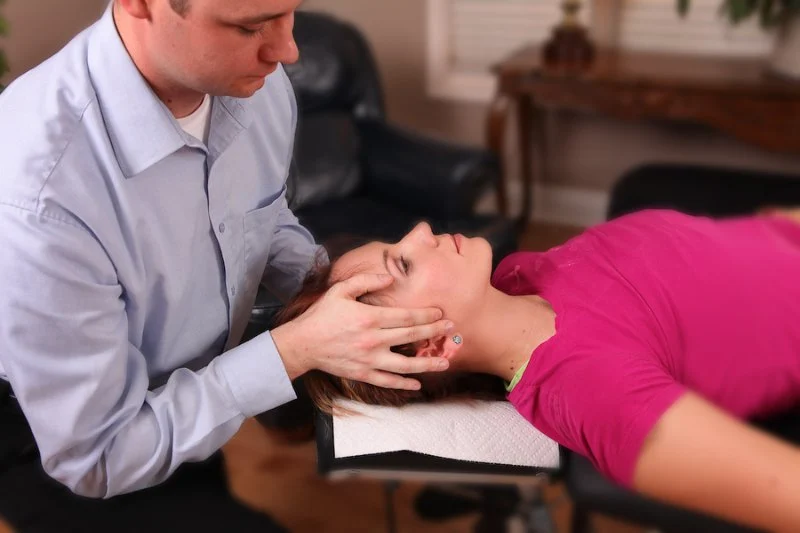
Temporomandibular joint (TMJ) disorders are a common source of discomfort and pain affecting the jaw, face, and neck. The TMJ is the joint that connects the lower jaw to the skull, and when it is misaligned or stressed, it can lead to various symptoms like pain while chewing, jaw stiffness, headaches, and even earaches. Many people turn to chiropractic care as an alternative or complementary treatment to help manage and alleviate these symptoms. In this article, we’ll explore how chiropractic approaches can help address TMJ disorders and improve your overall jaw health.
- What is TMJ and What Causes It?
- How Chiropractic Approaches Help Manage TMJ Disorders
- Chiropractic Techniques for TMJ Relief
- Real-World Case: Chiropractic Treatment for TMJ Pain
- Benefits of Chiropractic Care for TMJ Disorders
- Why Choose ChiroScope for TMJ Treatment
What is TMJ and What Causes It?
TMJ disorders refer to dysfunction or pain in the temporomandibular joint, which is essential for jaw movement. This joint allows the lower jaw to move, enabling actions like speaking, chewing, and swallowing. TMJ disorders can be caused by several factors, including:
- Jaw injury or trauma
- Bruxism (teeth grinding) and jaw clenching
- Arthritis or other joint diseases
- Poor posture and misalignments in the cervical spine (neck)
These factors can lead to misalignment or inflammation of the joint, causing pain and discomfort in the jaw, neck, and face. The pain can range from mild discomfort to chronic, debilitating pain, which is why seeking proper care is important for managing TMJ symptoms.
How Chiropractic Approaches Help Manage TMJ Disorders
Chiropractic care takes a holistic approach to managing TMJ disorders by focusing on spinal alignment and jaw function. The goal is to restore balance to the musculoskeletal system, reduce nerve interference, and relieve pain caused by misalignments. Chiropractic care addresses the root causes of TMJ disorders rather than just masking the symptoms, which can lead to long-term relief.
By aligning the spine, especially the cervical spine, and working on the jaw itself, chiropractors can improve the overall function of the temporomandibular joint, alleviate pain, and reduce inflammation. Chiropractic care helps in:
- Reducing misalignments that contribute to TMJ dysfunction
- Relieving muscle tension around the jaw and neck
- Improving jaw mobility and reducing stiffness
- Reducing inflammation in the TMJ area
Chiropractic Techniques for TMJ Relief
1. Spinal Adjustments
One of the key chiropractic techniques used to manage TMJ disorders is spinal adjustment. Misalignments in the neck (cervical spine) can have a direct impact on the jaw and temporomandibular joint. Chiropractors use spinal manipulations to correct these misalignments, improve spinal posture, and reduce strain on the jaw muscles.
2. Jaw Manipulation
In addition to spinal adjustments, chiropractors can also use gentle jaw manipulation techniques. These manipulations aim to restore proper alignment to the TMJ, reduce tension, and improve jaw movement. By gently manipulating the jaw, chiropractors help the joint function more efficiently and alleviate pain and discomfort.
3. Soft Tissue Therapy
Soft tissue therapies, such as myofascial release, are often used in chiropractic care to treat TMJ disorders. These therapies target tight or strained muscles in the jaw, neck, and shoulders that may be contributing to TMJ pain. By relieving tension in these muscles, chiropractic care helps reduce the pressure on the TMJ, improving overall function and comfort.
Real-World Case: Chiropractic Treatment for TMJ Pain
A real-life case demonstrates the effectiveness of chiropractic care for TMJ disorders. A patient suffering from chronic jaw pain, frequent headaches, and difficulty chewing sought chiropractic care after other treatments provided little relief. After several chiropractic sessions focused on spinal adjustments and jaw manipulation, the patient experienced significant reduction in pain, improved jaw mobility, and fewer headaches. The chiropractor also provided advice on posture and stress management, which further contributed to long-term relief.
This case highlights how chiropractic care can address the underlying causes of TMJ disorders, offering lasting relief and improving overall quality of life for patients dealing with jaw pain and discomfort.
Benefits of Chiropractic Care for TMJ Disorders
Chiropractic care offers several key benefits for individuals managing TMJ disorders:
- Pain relief: Chiropractic adjustments can alleviate the pain associated with TMJ disorders by addressing misalignments and muscle tension.
- Improved jaw mobility: Regular chiropractic care helps improve jaw function, making it easier to chew, speak, and move the jaw without discomfort.
- Reduced stress: Chiropractic care helps reduce overall stress levels, which can prevent teeth grinding and jaw clenching, common contributors to TMJ pain.
- Long-term relief: By addressing the root cause of TMJ disorders, chiropractic care offers lasting relief rather than just temporary symptom management.
Why Choose ChiroScope for TMJ Treatment
If you’re struggling with TMJ pain and looking for an effective, non-invasive treatment option, ChiroScope is here to help. Our experienced chiropractors specialize in treating TMJ disorders and will work with you to create a personalized treatment plan to reduce pain, improve jaw function, and enhance your overall well-being. We use a holistic approach to address the root causes of your TMJ symptoms, providing lasting relief and improving your quality of life.
Visit ChiroScope today to learn more about our TMJ treatments and how chiropractic care can help you live pain-free.






 Fusion Sport Rehab5.0 (121 reviews)
 ProCare Injury Specialists5.0 (128 reviews)
 Tilghman Chiropractic5.0 (7 reviews)
 Enhanced Chiropractic Solutions5.0 (1 reviews)
 Carrollwood Chiropractic Center5.0 (8 reviews)
 EDEN CLINIC | chiropractic, acupuncture, massage4.0 (60 reviews)
 How Chiropractic Care Improves Your Posture and Boosts Confidence
 Best Chiropractic Treatments for Chiropractic Myths According to Experts | ChiroScope
 Chiropractic Approaches to Managing Temporomandibular Joint (TMJ) Disorders
 Chiropractic for Headache Relief: Natural Approaches to Treating Migraines
 Everything You Need to Know About Chiropractor Benefits from a Chiropractic Perspective
 Chiropractic for Treating TMJ Disorders – Relieving Jaw Pain Naturally