

1. Understanding Chronic Pelvic Floor Tension and Dyspareunia
Chronic pelvic floor tension and dyspareunia (painful intercourse) are conditions that many people experience, but few talk about. For years, I struggled with pelvic pain that affected my daily life and relationships. My search for relief led me to try various treatments, but none seemed to provide lasting comfort until I explored chiropractic care. In this article, I’ll share my personal journey with chiropractic treatment for chronic pelvic floor tension and dyspareunia, and how it ultimately helped me find relief.
2. What Is Pelvic Floor Tension?
The pelvic floor consists of muscles, ligaments, and tissues that support the organs in the pelvic region, including the bladder, uterus, and rectum. Pelvic floor tension occurs when these muscles become tight or overactive, which can lead to discomfort, pain, and even dysfunction in the pelvic area. Chronic pelvic floor tension can result from a variety of factors, including stress, injury, childbirth, and even poor posture.
2.1 Symptoms of Pelvic Floor Tension
Common symptoms of pelvic floor tension include:
- Chronic pelvic pain or discomfort
- Difficulty with urination or bowel movements
- Painful intercourse (dyspareunia)
- Lower back pain or hip discomfort
For me, the constant discomfort made it difficult to enjoy everyday activities, let alone intimacy. This is when I started looking for alternative treatments.
3. What Is Dyspareunia?
Dyspareunia refers to pain during or after intercourse, a condition that affects many people, particularly those dealing with pelvic floor tension. The pain can vary from mild discomfort to severe pain that interferes with sexual activity. It is often caused by muscle tightness, vaginal dryness, or injury to the pelvic area, but for me, it was directly related to the muscle tension in my pelvic floor.
3.1 How Dyspareunia Affects Daily Life
The emotional and physical toll of dyspareunia can be significant. The pain can lead to a decrease in sexual desire, anxiety around intimacy, and feelings of frustration. My relationship with my partner became strained, and I found myself feeling isolated and hopeless about finding a solution.
4. How Chiropractic Treatment Helped Me
After trying various conventional treatments, such as physical therapy and medications, I decided to explore chiropractic care as an alternative. Chiropractic adjustments aim to restore balance to the body’s musculoskeletal system, which can have a profound impact on pelvic floor tension.
4.1 The First Visit
On my first visit to a chiropractor specializing in pelvic health, I was surprised at how thoroughly the chiropractor assessed my condition. The chiropractor took the time to understand my symptoms, my medical history, and the impact of pelvic floor tension on my life. Then, they explained how chiropractic adjustments could help alleviate tension in the muscles surrounding my pelvic region.
4.2 Treatment Process
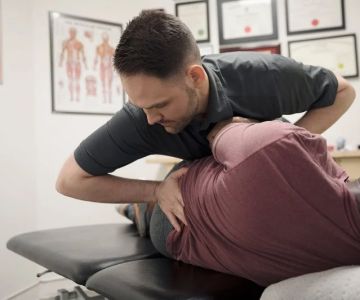
My chiropractor used a combination of spinal adjustments, pelvic alignment techniques, and gentle stretches to address the underlying causes of my pelvic floor tension. By focusing on restoring the balance and alignment of my spine and pelvis, they were able to relieve some of the pressure that had built up in my pelvic muscles. Additionally, they recommended exercises to help strengthen and relax my pelvic floor muscles over time.
4.3 Gradual Improvement
Over the course of several weeks, I began to notice a significant reduction in my pelvic pain and discomfort. Intercourse, which had once been a painful experience, became more comfortable, and I began to feel more in tune with my body. While chiropractic care didn’t provide an immediate “cure,” it played a vital role in managing and reducing the chronic tension that had plagued me for years.
5. Key Benefits of Chiropractic Care for Pelvic Floor Tension and Dyspareunia
Chiropractic care offers several key benefits when it comes to treating chronic pelvic floor tension and dyspareunia:
5.1 Improved Muscle Function
By addressing misalignments in the spine and pelvis, chiropractic treatment can help restore normal muscle function in the pelvic region. This helps reduce muscle tightness and tension, which can alleviate pain and improve overall pelvic health.
5.2 Holistic Approach
Chiropractic care takes a holistic approach to healing, focusing on the body as a whole. Rather than just treating the symptoms of pelvic pain, chiropractic care works to identify and address the root causes of the problem. This can lead to longer-lasting relief and improved quality of life.
5.3 Non-Invasive Treatment
Unlike surgery or medications, chiropractic care is a non-invasive treatment option that can be tailored to your specific needs. The gentle adjustments and exercises are designed to work with your body, rather than against it, providing a safe and natural way to manage chronic pelvic pain.
6. My Advice for Those Considering Chiropractic Care
If you’re struggling with chronic pelvic floor tension or dyspareunia, chiropractic care may be worth considering. However, it’s important to work with a chiropractor who has experience in pelvic health, as this area requires specialized knowledge and care.
6.1 Choose a Qualified Chiropractor
When choosing a chiropractor, look for one who specializes in pelvic health and has experience treating conditions like pelvic floor tension and dyspareunia. They should be able to tailor their treatments to your specific needs and provide guidance on exercises and self-care techniques to improve your condition.
6.2 Be Patient
Chronic pelvic pain and tension take time to heal, and chiropractic care is no exception. While you may start to feel relief after just a few sessions, it’s important to be patient and consistent with your treatments. Over time, you’ll likely notice significant improvements in your symptoms.
7. Conclusion
Chiropractic care has been a game-changer for me in managing chronic pelvic floor tension and dyspareunia. The holistic, non-invasive approach helped me achieve lasting relief from pelvic pain, improved my relationship, and restored my quality of life. If you’re struggling with similar issues, I highly recommend exploring chiropractic care as part of your treatment plan. For more information on chiropractic services and to find the right provider for your needs, check out ChiroScope for expert advice and recommendations on pelvic health treatments.





 Christina Meakim, DC4.0 (3 reviews)
 John C. Goldsworthy DC Norwood Chiropractic Est. 19805.0 (6 reviews)
 Cioffi Chiropractic Center: Michael J. Cioffi, D.C.5.0 (4 reviews)
 Dr. Clay Suggs5.0 (8 reviews)
 Dr. Christopher Hartman, DC, ND5.0 (2 reviews)
 StretchClub5.0 (49 reviews)
 Top Questions About Frozen Shoulder Relief Answered by Chiropractors
 Chiropractic Advice for Back Pain Relief You Can Start Today
 Understanding the Connection Between Natural Pain Management and Your Spine
 Chiropractic for Preventing Sports Injuries and Enhancing Performance
 Is Herniated Disc Care Affecting Your Daily Life? Here's How a Chiropractor Can Help
 The Truth About Chiropractic vs Physical Therapy and What Chiropractors Recommend