

My Experience with Chiropractic for Long COVID Muscle Pain and Fatigue
- beginning-symptoms-long-covid-muscle-pain-fatigue - how chronic pain started and daily limitations
- decision-chiropractic-care-post-covid-recovery - why chiropractic became part of the recovery plan
- first-adjustment-experience-body-response - what actually happened during early sessions
- progress-and-fatigue-improvement-patterns - how energy and mobility gradually changed
- lessons-and-safe-recovery-approach-long-term - what worked, what didn’t, and practical guidance
When Long COVID Doesn’t Fully Go Away
For many people, COVID-19 doesn’t end when the fever is gone. In my case, what lingered was something far more frustrating: deep muscle pain and unpredictable fatigue. Some days I could function normally for a few hours, and other days even simple movements felt like my body was resisting me.
The condition wasn’t dramatic in a visible way, which made it harder to explain to others. But internally, it felt like my muscles were constantly “switched on” in a tense, exhausted state. This is where I first started researching chiropractic for long COVID muscle pain as a possible supportive approach rather than a cure.
How the Pain and Fatigue Pattern Actually Looked
Muscle Tightness That Didn’t Behave Like Normal Soreness
Unlike post-workout soreness, this discomfort didn’t improve with rest. It moved around—sometimes in the neck, sometimes in the lower back, and often across the shoulders. It felt like my body had lost its ability to fully “reset.”
Fatigue That Was Not Just Sleep-Related
The most confusing part was that sleep didn’t fix it. Even after 8–9 hours of rest, I would wake up feeling like I had already done a full day of physical labor. This kind of fatigue is something many long COVID patients describe, and it often leads people to explore options like fatigue recovery chiropractic care when conventional rest is not enough.
Why I Considered Chiropractic Care
At first, I was skeptical. Chiropractic care is often associated with back pain or sports injuries, not post-viral fatigue. But after reading patient reports and speaking with a practitioner familiar with post-viral musculoskeletal issues, I decided to try it as a supportive therapy.
What made me open to it was the idea that long COVID can affect posture, nervous system tension, and muscular imbalance. If the body is stuck in a stressed physical state, gentle adjustments might help it recalibrate.
I also found reassurance in structured care approaches like those discussed through ChiroScope, which focuses on personalized recovery support and musculoskeletal alignment strategies.
The First Chiropractic Session: What Actually Happened
Initial Assessment and Body Mapping
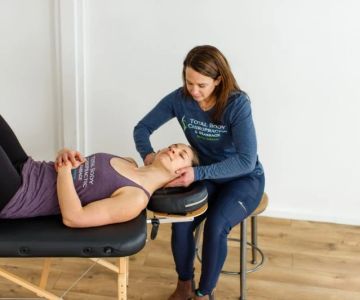
The first appointment wasn’t just a quick adjustment. It involved posture analysis, range-of-motion testing, and a detailed discussion of my symptoms over time. The practitioner paid attention to how my body moved rather than just where it hurt.
Gentle Adjustment Instead of Forceful Manipulation
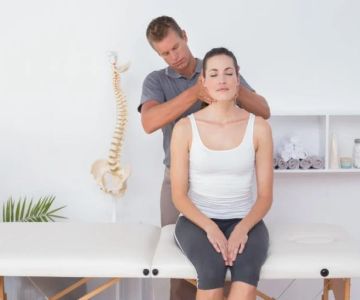
I expected something intense, but the approach was surprisingly gentle. The focus was on restoring alignment in the neck and upper back, areas that were clearly overcompensating for fatigue-related posture changes.
Immediate After-Effects
Right after the session, I didn’t feel “healed,” but I noticed something subtle: my shoulders were slightly less tense, and my breathing felt deeper. That small shift was enough to make me continue.
How My Body Responded Over Time
Week-by-Week Changes in Muscle Pain
After several sessions, the muscle pain became less constant. Instead of a continuous ache, it started appearing in shorter waves. This was the first real sign of improvement in long COVID muscle pain relief patterns.
Energy Levels Slowly Stabilizing
Fatigue didn’t disappear suddenly. Instead, the recovery looked like fewer “crash days.” I still had low-energy moments, but they were more predictable and easier to manage.
Improved Sleep Quality
Interestingly, sleep started feeling more restorative. While chiropractic care wasn’t directly a sleep treatment, reduced muscular tension likely contributed to better rest cycles.
A Real-Life Example That Changed My Perspective
During one visit, I met another patient who had been dealing with similar post-COVID symptoms but focused more on neck stiffness and headaches. They described how chiropractic adjustments helped reduce their daily tension enough to return to part-time work.
That conversation made me realize something important: recovery doesn’t always mean complete elimination of symptoms. Sometimes it means regaining control over how your body feels day to day.
What Helped Most in My Recovery Approach
Consistency Over Intensity
One of the biggest lessons was that occasional treatment didn’t help as much as consistent care. The nervous system and muscles respond better to gradual correction than sudden intervention.
Combining Movement With Treatment
Light stretching and walking between sessions made a noticeable difference. Chiropractic adjustments worked better when I stayed gently active instead of completely resting all day.
Listening to Body Signals
Some days my body needed rest; other days it needed movement. Learning to distinguish between the two was essential in managing fatigue recovery chiropractic care effectively.
When Chiropractic Care May Be Most Useful
Based on my experience, it may be especially helpful when long COVID symptoms include:
- Persistent muscle tightness that doesn’t improve with rest- Postural strain from prolonged fatigue- Neck, shoulder, or lower back discomfort- Mild to moderate fatigue that fluctuates rather than stays constant
It’s important to understand that this is not a standalone cure, but part of a broader recovery strategy that may include medical guidance, lifestyle adjustments, and gradual physical rehabilitation.
What I Would Tell Someone Starting This Journey
If someone told me they were dealing with similar symptoms, I would not suggest expecting quick results. The body takes time to recover from long COVID-related stress, especially when muscle pain and fatigue are involved.
What I would recommend is exploring structured, supportive care options and staying open to gradual improvement rather than immediate transformation. Resources like ChiroScope can help connect individuals with tailored approaches that focus on alignment, mobility, and recovery support.
Final Reflection on Recovery Progress
The most important shift in my experience wasn’t just physical—it was mental. Instead of feeling trapped in a cycle of fatigue and pain, I began to see patterns I could actually work with. Chiropractic care didn’t erase long COVID, but it helped reduce its physical grip on my daily life.
For anyone exploring chiropractic for long COVID muscle pain or fatigue-related body discomfort, the key takeaway is simple: progress may be gradual, but small improvements can meaningfully change how life feels day to day.



 Valley Chiropractic - Frederick4.0 (26 reviews)
 Groth Pain & Spine4.0 (86 reviews)
 Hess Rehabilitation & Chiropractic Centers, Inc4.0 (18 reviews)
 Smith Chiropractic5.0 (1 reviews)
 Injury & Rehab Center PLLC4.0 (54 reviews)
 Maedo & Woo Buena Park Chiropractic | 목 허리 통증치료 척추병원4.0 (12 reviews)
 Chiropractic Advice for Back Pain Relief You Can Start Today
 Expert Tips for Managing Chiropractic Safety Naturally with Chiropractic Care
 How Chiropractic Care Can Support Your Immune System Function
 Chiropractic Care for Athletes: Boosting Performance and Preventing Injuries
 Expert Tips for Managing Ergonomics and Spinal Health Naturally with Chiropractic Care | ChiroScope
 Can Chiropractic Care Solve Your Lower Back Pain Problem?