
- understanding-pelvic-misalignment-basics - Why the pelvis shifts and how it affects the whole body
- what-chiropractors-actually-do - Inside a chiropractic adjustment for pelvic alignment
- how-it-feels-during-treatment - Sensations, sounds, and emotional expectations
- recovery-and-after-effects - What happens in the hours and days after adjustment
- real-world-experiences - A relatable patient story and common scenarios
- when-to-seek-help - Signs your pelvis may need professional evaluation
Understanding What a Misaligned Pelvis Really Means in Daily Movement
A misaligned pelvis is not always as dramatic as it sounds. In many cases, it develops slowly through posture habits, repetitive movement, sports strain, pregnancy changes, or even long hours of sitting. The pelvis acts as the foundation of the spine, so when it shifts even slightly out of balance, the effects can travel upward into the lower back, hips, and sometimes even the neck.
People often describe it as feeling “off balance” when walking, one leg feeling slightly longer, or a persistent tightness in the lower back that doesn’t fully go away with stretching. In clinical practice, this is commonly linked to sacroiliac joint dysfunction or muscular imbalance around the pelvic ring.
In real-world terms, think of the pelvis like the center hinge of a door. If the hinge shifts even a few millimeters, the entire door no longer swings smoothly. That small change can create friction in multiple areas of movement without immediately revealing the true cause.
What a Chiropractic Adjustment Actually Does to the Pelvic Area
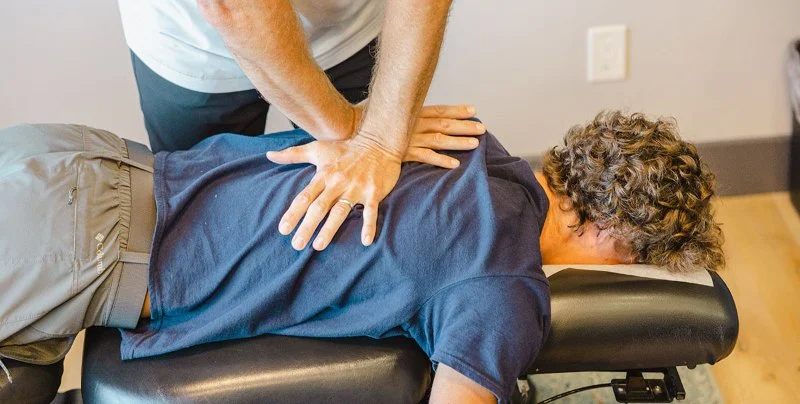
A chiropractic adjustment for pelvic misalignment focuses on restoring motion and balance to joints such as the sacroiliac joints and surrounding structures. Instead of forcing a dramatic repositioning, most modern approaches use controlled, precise pressure to encourage the body to return to a more natural alignment pattern.
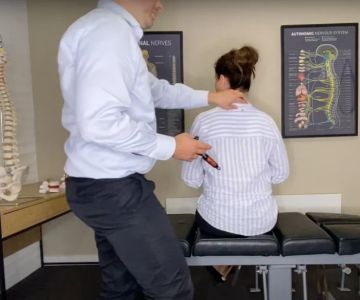
During the session, a chiropractor evaluates posture, leg length symmetry, and movement patterns. Hands-on techniques may be used along the pelvis, lower spine, or hips depending on where restriction is detected. In some cases, gentle instrument-assisted adjustments are applied instead of manual thrusts.
Many patients are surprised to learn that the goal is not “cracking bones into place,” but rather improving joint mobility, reducing muscular guarding, and allowing the nervous system to reset its movement patterns.
At clinics like ChiroScope, practitioners often combine adjustment techniques with soft tissue work and movement education so that the correction is not only immediate but also supported long-term.
What It Feels Like During a Pelvic Chiropractic Adjustment
One of the most common questions people ask is about sensation: does it hurt, and what should they expect in the moment?
For most individuals, the experience is not painful. Instead, it feels like a controlled pressure followed by a quick release. In some techniques, a “popping” sound may occur, which is simply gas releasing from a joint space as it moves—not bones cracking.
Some describe it as:
• A deep stretch they didn’t know they needed• A sudden sense of release in the lower back or hip• A momentary surprise followed by relief
Emotionally, people often report feeling slightly nervous before the first adjustment, especially if they have never experienced chiropractic care. However, that anxiety usually fades quickly once they realize how controlled and precise the process is.
A patient story often shared in practice involves a recreational runner who felt a constant “pull” in one hip for months. After a pelvic adjustment, she described walking out of the clinic feeling like her stride was suddenly smoother and more symmetrical, even though she couldn’t pinpoint exactly what changed at first.
What Happens After the Adjustment: Immediate and Short-Term Effects
After a chiropractic adjustment targeting pelvic alignment, the body typically goes through a short adaptation phase. Some people feel immediate relief, while others notice gradual changes over 24–72 hours.
Common experiences include:
• Mild soreness similar to post-workout muscle fatigue• Improved range of motion in hips or lower back• A sense of “lightness” when walking or standing
This adjustment period is normal as the surrounding muscles and ligaments adapt to the new joint positioning. Hydration, gentle movement, and avoiding prolonged sitting can help support recovery.
In some cases, chiropractors recommend follow-up visits or corrective exercises to stabilize the pelvis so that it does not return to previous imbalance patterns.
Real-Life Scenario: How Pelvic Misalignment Affects Everyday Life
Consider a warehouse worker who spends hours lifting and twisting throughout the day. Over time, he begins noticing that one side of his lower back tightens more than the other. At first, he ignores it, assuming it is normal muscle fatigue.
Eventually, the discomfort becomes more noticeable during simple activities like getting out of a car or standing up from a chair. After evaluation, a chiropractor identifies a pelvic imbalance contributing to uneven muscle strain.
Following a series of adjustments and guided mobility exercises, the worker reports not only reduced pain but also improved endurance during long shifts. What seemed like a “back problem” was actually rooted in pelvic mechanics.
This kind of pattern is common in both active individuals and office workers, showing how foundational pelvic alignment is to everyday comfort.
When It Might Be Time to Get Checked by a Professional
Not every ache means a serious problem, but certain patterns suggest the pelvis may not be functioning optimally. Persistent lower back discomfort, uneven posture, or recurring hip tightness are common indicators.
Some people also notice subtle signs such as uneven shoe wear, difficulty finding a comfortable standing position, or feeling that one side of the body is doing more work than the other.
A professional evaluation can help determine whether a chiropractic pelvic realignment approach is appropriate. Clinics like ChiroScope often combine physical assessment with movement analysis to identify the root cause rather than just treating symptoms.
Addressing these issues early can prevent compensation patterns from developing into long-term discomfort.
Why Understanding the Process Helps Reduce Anxiety Around Treatment
Fear of the unknown is often the biggest barrier to seeking care. Once people understand that a chiropractic adjustment for a misaligned pelvis is a controlled, non-invasive technique aimed at restoring natural movement, hesitation usually decreases.
Rather than a forceful procedure, it is better described as guided correction—helping the body do what it already wants to do: move efficiently and symmetrically.
For many patients, the real surprise is not the sensation itself, but how quickly they notice changes in posture awareness and movement comfort afterward.
In some cases, ongoing care combined with corrective exercises can significantly reduce recurring pelvic discomfort and improve overall mobility patterns.
What to Consider Before Your First Visit
Before scheduling an appointment, it helps to think about your symptoms, daily habits, and activity level. This allows the chiropractor to better understand potential contributing factors.
Bringing notes about when discomfort occurs, what movements trigger it, and how long it has been present can make the evaluation more precise.
Many people also benefit from asking questions during the consultation, such as what techniques will be used and what outcomes to realistically expect.
Taking this proactive approach often leads to a more personalized and effective treatment experience.




 Artisan Chiropractic Clinic4.0 (522 reviews)
 Tampa Back Pain Relief Chiropractic5.0 (144 reviews)
 AC Chiropractic4.0 (54 reviews)
 Tru Whole Care5.0 (123 reviews)
 Twins Chiropractic and Physical Medicine4.0 (42 reviews)
 Chiro One Chiropractic & Wellness Center of Lansing4.0 (154 reviews)
 The Truth About Chiropractic Insurance Coverage and What Chiropractors Recommend
 How to Relieve Lower Back Pain Tips Without Medication – Chiropractor Approved
 10 Things You Should Know About Chiropractic for Athletes
 Can Chiropractic Care Solve Your Chiropractic Stretches Problem?
 10 Things You Should Know About Chiropractic and Sleep
 Chiropractic for Managing Stress-Related Symptoms and Tension