
- 1. Understanding Ergonomics and Spinal Health
- 2. How Poor Ergonomics Affects Your Spine
- 3. Chiropractors’ Recommendations for Spinal Health
- 4. Practical Tips for Better Ergonomics at Work
- 5. The Importance of Regular Chiropractic Care
- 6. Real-Life Stories of Ergonomics and Spinal Health
1. Understanding Ergonomics and Spinal Health
Ergonomics refers to the science of designing workspaces and tools to fit the physical needs of the human body, while spinal health focuses on the well-being of your spine. When these two areas intersect, ergonomics plays a crucial role in maintaining spinal health. Poor ergonomic practices can lead to back pain, neck strain, and other spinal issues. Whether you’re working from home, in an office, or standing for long periods, understanding ergonomics is key to preventing long-term spinal damage.
2. How Poor Ergonomics Affects Your Spine
Spending long hours in poorly designed work environments or adopting bad posture habits can wreak havoc on your spine. Some of the most common problems caused by poor ergonomics include:
- Postural Strain: Slouching or sitting with poor posture can lead to tension in the muscles surrounding your spine, causing discomfort and misalignment.
- Spinal Misalignment: Extended periods of sitting in the wrong position can lead to vertebrae misalignment, which can contribute to chronic pain and stiffness.
- Pressure on Nerves: Sitting or standing improperly can put excess pressure on spinal nerves, leading to radiating pain or numbness in the legs and arms.
These issues, if not addressed, can become chronic conditions that interfere with daily life and well-being.
3. Chiropractors’ Recommendations for Spinal Health
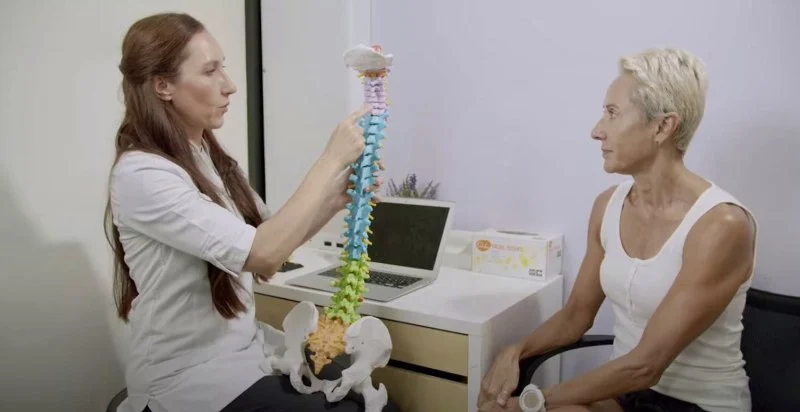
Chiropractors specialize in maintaining spinal health through a combination of manual adjustments, exercises, and lifestyle changes. Some of their key recommendations include:
- Regular Adjustments: Chiropractic adjustments can help realign the spine, reduce tension, and improve mobility.
- Core Strengthening Exercises: Strengthening the muscles around your spine helps support and protect it from strain and injury.
- Posture Awareness: Chiropractors emphasize the importance of good posture throughout the day, especially while sitting at a desk or standing for long periods.
- Stretching: Daily stretches can help alleviate muscle tightness, improve flexibility, and promote overall spinal health.
By following these guidelines, individuals can maintain a healthy spine and prevent common ergonomic-related injuries.
4. Practical Tips for Better Ergonomics at Work
Improving ergonomics doesn’t have to be difficult. Here are some practical tips that can make a big difference in your spinal health:
- Adjust your chair: Ensure your chair supports the natural curve of your spine. Your feet should be flat on the floor, and your knees should be at a 90-degree angle.
- Monitor height: Your computer screen should be at eye level to prevent neck strain. Use a stand or adjust your screen to avoid looking down or up.
- Take regular breaks: Stand up, stretch, and walk around every 30 minutes to prevent stiffness and reduce pressure on your spine.
- Use an ergonomic keyboard: Position your keyboard and mouse so that your arms are relaxed and your wrists are straight to avoid strain.
Small changes like these can greatly reduce discomfort and prevent long-term spinal issues.
5. The Importance of Regular Chiropractic Care
Chiropractic care goes beyond the occasional adjustment. Regular visits to a chiropractor can help maintain spinal alignment, prevent injuries, and improve overall health. Chiropractors can spot early signs of spinal problems and offer solutions before they escalate into more serious conditions. For many individuals, chiropractic care is an essential part of their wellness routine, especially for those with desk jobs or physically demanding work.
6. Real-Life Stories of Ergonomics and Spinal Health
Consider the case of a graphic designer in Vancouver who suffered from chronic back pain due to poor ergonomic setup at her workstation. After switching to an ergonomic chair and adjusting her desk height, along with regular chiropractic care, she found significant relief. Another case involves a construction worker in Toronto who improved his spinal health through targeted exercises and posture correction, reducing his reliance on painkillers and improving his overall quality of life.
These real-life examples show how making small ergonomic adjustments and seeking professional advice can lead to a healthier spine and a pain-free lifestyle.
If you're looking to improve your spinal health, consider visiting ChiroScope for professional chiropractic care and ergonomic advice tailored to your needs.






 Chiropractic Company of Milwaukee East4.0 (170 reviews)
 Reborn Chiropractic & Wellness Center5.0 (45 reviews)
 Gard Family Chiropractic5.0 (24 reviews)
 Ocean Chiropractic: Soroka Fred DC3.0 (2 reviews)
 Dr. Chad Meriwether5.0 (2 reviews)
 HealthBridge Chiropractic5.0 (123 reviews)
 How Chiropractors Help With Ergonomics and Spinal Health – Why It Works and How It Benefits You
 How Chiropractic Adjustments Can Improve Frozen Shoulder Relief
 Understanding Chiropractic Care and Its Role in Enhancing Immune Function
 Understanding the Connection Between Ergonomics and Spinal Health and Your Spine
 What Causes Chiropractic and Mental Health and How Chiropractors Treat It
 How to Care for a Herniated Disc: Prevention, Treatment, and Tips