
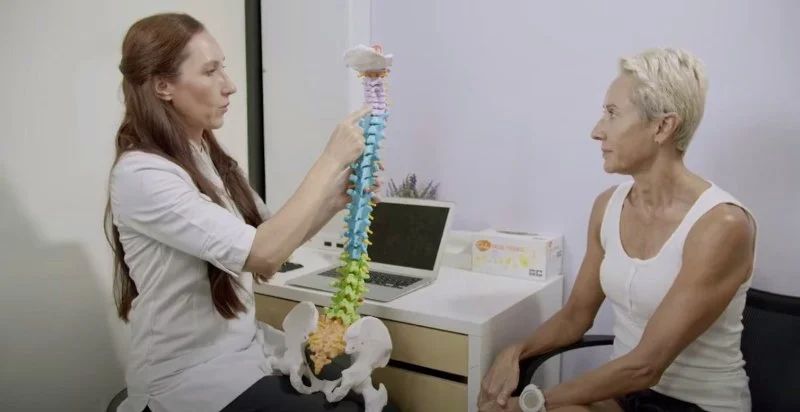
Understanding the Connection Between Ergonomics and Spinal Health
- 1. What is Ergonomics and Why Does It Matter for Your Spine?
- 2. How Ergonomics Affects Your Spinal Health
- 3. Common Spinal Issues Caused by Poor Ergonomics
- 4. Tips for Maintaining a Healthy Spine and Proper Posture
- 5. Real-Life Case Study: The Impact of Ergonomics on Spinal Health
1. What is Ergonomics and Why Does It Matter for Your Spine?
Ergonomics is the science of designing the workplace and daily activities to fit the user’s needs, reducing strain on the body. It’s not just about comfort; proper ergonomics helps maintain physical health by promoting good posture and minimizing strain on the body, particularly the spine.
Your spine, which supports much of your body’s weight and enables movement, is susceptible to injury or long-term damage when subjected to poor posture or repetitive strain. Ergonomics is crucial because it focuses on positioning, movement, and equipment to align with the body’s natural structure, ultimately supporting spinal health and preventing discomfort or injury.
2. How Ergonomics Affects Your Spinal Health
Proper ergonomics help maintain the natural curve of your spine, which is essential for avoiding strain on the muscles and ligaments that support your back. By following ergonomic principles, you can:
- Prevent Overuse Injuries: Repeated poor posture can lead to muscle fatigue, disc compression, and strain on spinal joints, resulting in conditions like sciatica or herniated discs.
- Promote Proper Alignment: Ergonomically designed workstations and habits encourage a neutral spine position, reducing stress on the lower back and neck.
- Reduce Pressure on Spinal Discs: Maintaining good posture helps distribute the weight evenly across your spine, decreasing pressure on the discs, which can cause pain and degeneration over time.
Integrating ergonomic principles into your daily routine—whether at home, work, or during physical activities—can significantly improve spinal health and reduce the risk of developing back pain.
3. Common Spinal Issues Caused by Poor Ergonomics
If you don’t pay attention to ergonomics, you’re more likely to develop spinal problems over time. Some of the most common issues caused by poor ergonomic practices include:
- Chronic Lower Back Pain: Sitting for long periods without support or improper chair alignment can strain the lower back, leading to chronic pain and discomfort.
- Neck and Shoulder Pain: Poor posture while working on a computer or using mobile devices can result in "tech neck," where tension builds in the neck and shoulders, causing pain and stiffness.
- Slipped or Herniated Discs: Slouching or improper lifting techniques can cause the discs between your vertebrae to slip or herniate, causing nerve impingement and excruciating pain.
- Muscle Imbalances: A lack of proper ergonomics can cause some muscles to become overworked while others weaken, leading to imbalances that affect posture and movement patterns.
These conditions often develop gradually, making it easy to overlook the importance of ergonomics until serious pain or injury occurs. That’s why it’s essential to adopt good ergonomic habits early on.
4. Tips for Maintaining a Healthy Spine and Proper Posture
Maintaining a healthy spine requires regular attention to posture, workstation setup, and physical activity. Here are some tips to help you keep your spine in good shape:
- Maintain Proper Sitting Posture: Sit with your feet flat on the floor, knees at a 90-degree angle, and your back supported by a chair with good lumbar support. Keep your shoulders relaxed and your elbows at your sides.
- Take Breaks: Avoid sitting or standing for long periods without taking breaks. Stand up, stretch, or walk around every 30 minutes to prevent strain on your spine.
- Lift with Your Legs, Not Your Back: When lifting heavy objects, bend at your knees rather than at your waist. This reduces strain on the lower back and helps prevent injury.
- Exercise Regularly: Strengthening the muscles around your spine, including your core and back muscles, can improve posture and support spinal health. Activities like yoga and swimming are excellent for building strength and flexibility.
- Use Ergonomically Designed Furniture: Invest in ergonomic chairs, desks, and accessories like a computer monitor stand to ensure your workspace is aligned with proper spinal health principles.
Incorporating these habits into your daily routine can significantly improve your spinal health and reduce the risk of developing musculoskeletal issues.
5. Real-Life Case Study: The Impact of Ergonomics on Spinal Health
A real-life example can illustrate the profound impact that ergonomics can have on spinal health. Consider the case of Sarah, a marketing manager in New York City, who spent long hours working at her desk. She started to notice chronic neck pain and stiffness after months of sitting in a poorly adjusted chair. Her discomfort was affecting her productivity and well-being.
After visiting a chiropractor, Sarah was advised to adjust her workstation setup by using an ergonomic chair with proper lumbar support and positioning her monitor at eye level. Additionally, she was encouraged to take regular breaks and practice stretching exercises. Within a few weeks, Sarah experienced a significant reduction in her pain and found that her posture had improved, leading to a more comfortable and productive workday.
This case highlights how small changes in ergonomics can lead to significant improvements in spinal health and overall comfort.
If you’re looking for more advice on ergonomics or need professional guidance, ChiroScope offers expert chiropractic care and ergonomic solutions to help you maintain a healthy spine and improve your posture.






 Victory Rehab Chiropractic Clinic5.0 (31 reviews)
 Fasulo Chiropractic4.0 (163 reviews)
 Christopher Turner, DC5.0 (1 reviews)
 Barnes Chiropractic5.0 (22 reviews)
 Modern Movement Clinic - Golden5.0 (107 reviews)
 California Chiropractic4.0 (23 reviews)
 The Role of Chiropractic Care in Managing Chronic Headaches and Migraines
 Managing Pregnancy Naturally with Chiropractic Care | Expert Tips
 How Chiropractic Adjustments Can Improve Sleep and Chiropractic Health
 What Causes Spinal Misalignment and How Chiropractors Treat It
 The Importance of Chiropractic Care for Your Spine’s Health and Longevity | ChiroScope
 Can Chiropractic Care Solve Your Chiropractic for Athletes Problem?