
10 Things You Should Know About Herniated Disc Care
- 1- Understanding Herniated Discs
- 2- Common Symptoms of Herniated Discs
- 3- How Chiropractic Care Can Help
- 4- Treatment Options for Herniated Discs
- 5- Prevention and Maintenance Tips
1- Understanding Herniated Discs
A herniated disc occurs when one of the rubbery cushions (discs) between the vertebrae in your spine slips out of place or ruptures. This can cause pressure on the nerves in your spine, leading to pain, numbness, and weakness. It is a common condition that can occur due to various reasons, such as aging, excessive strain, or an injury. Understanding the anatomy of the spine and how herniated discs develop is crucial in identifying and managing this condition effectively.
2- Common Symptoms of Herniated Discs
The symptoms of a herniated disc can vary depending on the location and severity of the rupture. Common signs include:
- Back or Neck Pain: Pain in the lower back or neck is common, especially when sitting, standing, or bending.
- Radiating Pain: You may feel pain that radiates to other parts of the body, like the arms or legs.
- Numbness or Tingling: A herniated disc can cause numbness or a tingling sensation in the arms or legs, known as "pins and needles."
- Weakness: If the nerves are affected, you may experience weakness in muscles controlled by the affected nerves.
3- How Chiropractic Care Can Help
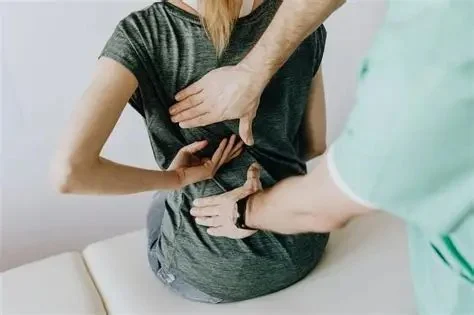
Chiropractic care is an effective non-invasive treatment option for people suffering from herniated discs. Chiropractors specialize in spinal adjustments, which can help to relieve pressure on the nerves, reduce inflammation, and improve mobility. Regular chiropractic adjustments can promote healing, enhance flexibility, and strengthen the muscles around the spine. Chiropractors may also provide exercises to improve posture and spinal alignment, further aiding in the recovery process.
4- Treatment Options for Herniated Discs
Treatment for a herniated disc often starts with conservative measures, including physical therapy, medication, and lifestyle modifications. In more severe cases, medical interventions such as injections or surgery may be necessary. Common treatment options include:
- Physical Therapy: A physical therapist can guide you through exercises to strengthen the muscles around the spine and improve posture.
- Medications: Over-the-counter pain relievers and anti-inflammatory medications can help manage the pain and inflammation associated with a herniated disc.
- Injections: For more persistent pain, epidural steroid injections may be recommended to reduce inflammation and provide relief.
- Surgery: In rare cases, if conservative treatments fail, surgery may be necessary to remove the herniated disc or relieve pressure on the spinal cord or nerves.
5- Prevention and Maintenance Tips
While some factors contributing to a herniated disc are out of your control (such as aging), there are steps you can take to reduce your risk:
- Exercise Regularly: Strengthening the muscles that support your spine can help prevent herniated discs and improve posture.
- Maintain a Healthy Weight: Excess weight puts added stress on your spine and increases the risk of disc damage.
- Practice Proper Posture: Whether sitting or standing, maintaining good posture helps to reduce strain on your spine.
- Lift Properly: Use your legs, not your back, when lifting heavy objects to avoid injury.
Herniated discs are a common issue, but with the right care and management strategies, most people can recover and return to their normal activities. Chiropractic care can play a key role in relieving pain, improving mobility, and preventing further damage. If you're experiencing symptoms of a herniated disc, it's important to consult with a healthcare professional to determine the best course of action for your recovery.






 Fischer Chiropractic Center5.0 (157 reviews)
 Arnold and Shahgaldian Chiropractic4.0 (37 reviews)
 James M Liott, DC0.0 (0 reviews)
 Active Health Chiropractic PLLC4.0 (8 reviews)
 Thomas A Chaney DC5.0 (2 reviews)
 Elite Sports Medicine - Los Angeles (LAX)3.0 (14 reviews)
 Can Chiropractic Care Solve Your Chiropractic Safety Problem?
 How Chiropractic Adjustments Improve Performance for Athletes
 Understanding the Connection Between Ergonomics and Spinal Health
 Everything You Need to Know About Chiropractic Stretches from a Chiropractic Perspective
 Chiropractic Care for Managing Post-Concussion Syndrome | Effective Treatment Options
 How Chiropractic Care Helps with Post-Concussion Syndrome Recovery