

Understanding the Connection Between Ergonomics and Spinal Health
- 1 - What is Ergonomics and How Does it Affect Your Spine?
- 2 - Common Spinal Health Issues Caused by Poor Ergonomics
- 3 - The Role of Proper Ergonomics in Preventing Spine Injuries
- 4 - Tips for Improving Ergonomics to Support Spinal Health
- 5 - When to Seek Professional Help for Spinal Health Issues
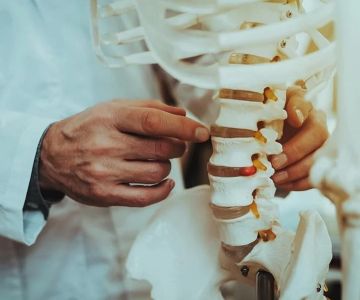
Ergonomics is the science of designing and arranging your workspace, tools, and daily activities to fit your body’s natural movements. The goal is to enhance comfort, reduce strain, and prevent injury. When it comes to your spine, ergonomics plays a vital role in maintaining proper alignment and preventing long-term damage. Poor ergonomics, such as slouching or sitting in uncomfortable positions for extended periods, can lead to misalignments that strain your spine and cause pain. Improper ergonomics can lead to several spinal health issues, including: Proper ergonomics can help prevent spine injuries by ensuring that your posture and movements support your spine’s natural alignment. Key aspects of ergonomics for spinal health include: Incorporating the following tips into your daily routine can help improve your posture and support your spinal health: If you experience persistent back or neck pain despite improving your ergonomics, it may be time to seek professional help. A chiropractor or spine specialist can help assess your posture and spine alignment, provide targeted treatment, and suggest further strategies to improve spinal health. Early intervention is key to preventing long-term damage and maintaining a healthy spine.1 - What is Ergonomics and How Does it Affect Your Spine?
2 - Common Spinal Health Issues Caused by Poor Ergonomics
3 - The Role of Proper Ergonomics in Preventing Spine Injuries
4 - Tips for Improving Ergonomics to Support Spinal Health
5 - When to Seek Professional Help for Spinal Health Issues





 Kellsie K Davis, DC5.0 (1 reviews)
 Austria Chiropractic4.0 (68 reviews)
 Thrive Chiropractic - Dr. Sharon Dongarra5.0 (34 reviews)
 Dr. Eric R. Schmitt, DC5.0 (1 reviews)
 Car Accident Doctors - Accident Centers of Texas, S. Hampton4.0 (43 reviews)
 Accident Care & Treatment Center5.0 (4 reviews)
 Best Chiropractic Treatments for Ergonomics and Spinal Health According to Experts
 Chiropractic Care for Reducing Inflammation in the Spine and Joints
 Chiropractic Solutions for Managing Back and Neck Pain
 Chiropractic Advice for Sciatica Treatment | Tips You Can Start Today
 Everything You Need to Know About Chiropractic Wellness Routine from a Chiropractic Perspective
 Chiropractic Therapy for Improving Flexibility and Mobility in Older Adults