
- chiropractic-adjustment-range-of-motion - What it targets and how mobility improves after care
- spinal-joint-mobility - Why restricted joints affect daily movement and comfort
- mobility-improvement-chiropractic - How adjustments restore flexibility step by step
- real-patient-examples - Practical stories showing range of motion changes
- chiropractic-care-goals - What outcomes professionals expect from adjustments
Understanding How Joint Motion Becomes Limited in Daily Life
Movement restriction rarely happens overnight. In most cases, reduced range of motion builds gradually through posture habits, repetitive strain, minor injuries, or long hours of inactivity. When joints—especially in the spine—lose their natural glide, surrounding muscles begin compensating. This is where stiffness, uneven movement patterns, and discomfort usually start to appear.
A common misunderstanding is that stiffness always means “tight muscles.” In reality, many cases involve reduced joint mobility where the spinal segments or extremity joints do not move as freely as they should. This is exactly the type of issue that chiropractic care aims to address.
In clinical discussions around chiropractic adjustment range of motion, the focus is not only on relieving discomfort but on restoring how far and how smoothly a joint can move in multiple directions.
What a Chiropractic Adjustment Is Designed to Improve in Movement
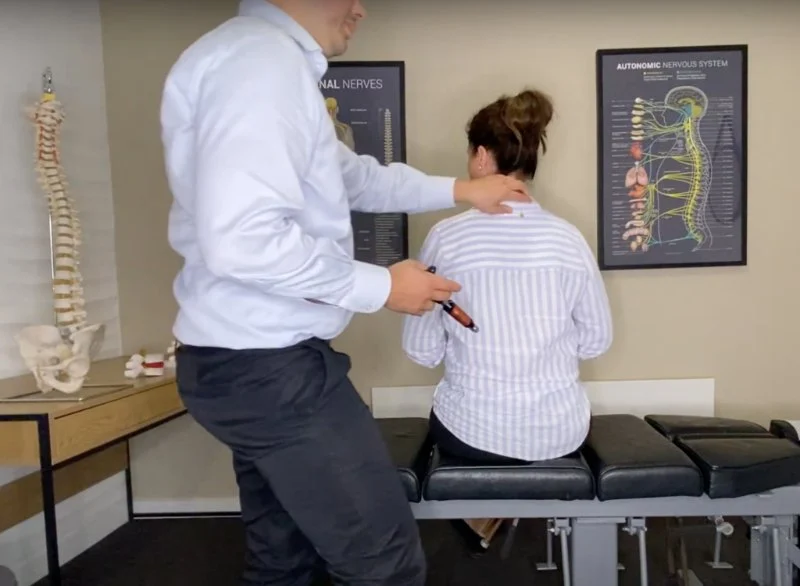
A chiropractic adjustment is a targeted, controlled movement applied to a joint that is not functioning optimally. The goal is not simply to “crack the back,” but to restore proper joint mechanics so movement becomes more natural and less restricted.
From a functional standpoint, what practitioners aim for includes:
First, improving joint glide. When a spinal segment is restricted, the tiny surfaces inside the joint stop moving in harmony. An adjustment helps reintroduce that motion so bending and twisting feel smoother.
Second, reducing compensatory stress. When one joint doesn’t move properly, nearby areas often overwork. Restoring motion helps redistribute mechanical load more evenly.
Third, enhancing neuromuscular coordination. The nervous system constantly monitors joint position. Better movement input from properly functioning joints can improve overall control and balance.
These changes collectively support mobility improvement chiropractic outcomes that patients often notice during everyday activities like turning the head, reaching overhead, or bending down.
What Range of Motion Improvement Actually Feels Like
Range of motion changes are often subtle at first. Many patients expect dramatic flexibility instantly, but the reality is more progressive. The body often adjusts in layers.
For example, someone with restricted neck movement may initially only notice that turning the head to check blind spots while driving becomes easier. Later, they may realize that tension headaches reduce because the upper cervical joints are moving more freely.
A patient story often shared in chiropractic clinics involves office workers who spend long hours at computers. One individual reported chronic stiffness when looking down or rotating the neck. After a series of adjustments, they described the sensation as “like my neck stopped fighting me every time I moved.” This is a typical description of improved joint coordination rather than simple muscle relaxation.
How Chiropractic Adjustments Influence Joint Function Step by Step
To understand what is happening internally, it helps to break down the process into functional stages.
First, restricted joints are identified through movement testing. Chiropractors assess how far a joint can move in multiple planes—flexion, extension, rotation, and lateral bending.
Second, a precise adjustment is applied to the restricted segment. This introduces a controlled force that encourages the joint to move through its natural pathway again.
Third, the nervous system responds. The body receives updated feedback from the joint, often reducing protective muscle guarding.
Finally, movement becomes more coordinated. This is where patients notice improvements in bending, twisting, and reaching with less effort.
This process is central to spinal adjustment benefits, especially when the goal is restoring usable, functional motion rather than temporary relief.
Why Range of Motion Matters More Than Most People Realize
Range of motion is not just a fitness concept—it directly impacts daily life quality. Limited mobility can influence posture, energy levels, and even breathing mechanics in some cases.
For instance, restricted thoracic spine movement may cause the lower back or neck to compensate. Over time, this creates a chain reaction of stiffness in multiple areas. Restoring mobility in one region often improves movement elsewhere.
One interesting observation from clinical practice is that patients who regain mobility often report unexpected improvements, such as better sleep comfort or reduced fatigue during work hours. These outcomes are indirectly linked to improved movement efficiency.
Real-World Example: Weekend Athlete Recovery
A recreational runner in their 40s experienced reduced hip mobility after increasing weekly mileage. They noticed difficulty lifting their knee during running, which affected stride efficiency.
After chiropractic care focused on hip and lumbar mobility, their range of motion gradually improved. The adjustment did not “strengthen” the muscles directly, but it allowed the joints to move properly so muscles could function without restriction.
Within a few weeks, they reported smoother running mechanics and less post-run tightness. This case highlights how joint flexibility chiropractic care supports performance, not just pain relief.
What Chiropractic Care Is Trying to Achieve Long Term
The long-term goal of chiropractic treatment is not dependency on repeated adjustments, but improved movement efficiency and self-maintained mobility.
Practitioners often aim for three core outcomes:
First, restoring baseline joint motion so daily movement feels natural.Second, reducing recurring stiffness cycles caused by poor mechanics.Third, helping the body maintain improved alignment through better neuromuscular control.
When these goals are met, patients often require less frequent intervention and experience more stable mobility patterns.
How Patients Can Support Range of Motion Between Visits
Chiropractic adjustments work best when combined with consistent movement habits. Simple practices such as stretching tight areas, taking movement breaks during long sitting periods, and maintaining hydration all contribute to joint health.
Light mobility exercises can reinforce the improvements gained during treatment sessions. The key is not intensity but consistency—small, frequent movements help joints retain their improved range.
Some clinics also recommend ergonomic adjustments in daily environments, especially for office workers. These changes prevent the same movement restrictions from returning quickly.
For those exploring structured care and guidance, platforms like ChiroScope can help connect individuals with chiropractic professionals and related wellness resources tailored to mobility improvement needs.
Why Understanding Range of Motion Changes Expectations
Many patients initially expect instant flexibility gains, but understanding how joints adapt helps create realistic expectations. Range of motion improvements are often gradual because the nervous system, muscles, and joints all adapt together.
When viewed correctly, chiropractic adjustment is not just about immediate relief—it is about retraining how the body moves over time. This perspective helps patients recognize small but meaningful improvements that build toward long-term mobility.





 Active Chiropractic & Rehab Jasper5.0 (1 reviews)
 Adjusting To Health5.0 (56 reviews)
 The Chiropractic Health Center5.0 (5 reviews)
 Osgood Chiropractic5.0 (30 reviews)
 River Oaks Chiropractic Clinic: Dale L. White Jr. DC4.0 (12 reviews)
 Spine and Disc Center of Brooklyn4.0 (26 reviews)
 Chiropractic Wellness Routine You Can Start Today: Expert Advice That Works
 How Chiropractic Adjustments Can Improve Posture Correction
 Is Chiropractic and Sleep Affecting Your Daily Life? Here's How a Chiropractor Can Help
 Chiropractic Care for Improving Joint Flexibility and Reducing Pain
 Is Back Pain Relief Affecting Your Daily Life? Here's How a Chiropractor Can Help
 Chiropractic vs Physical Therapy: What Chiropractors Recommend & When to Choose