
- 1-Understanding the Chiropractic and Mental Health Connection
- 2-How Your Spine Affects Mental Health
- 3-The Benefits of Chiropractic Treatment for Mental Health
- 4-Real-Life Example: Chiropractic Care for Mental Well-being
- 5-Explore Chiropractic Care with ChiroScope
1. Understanding the Chiropractic and Mental Health Connection
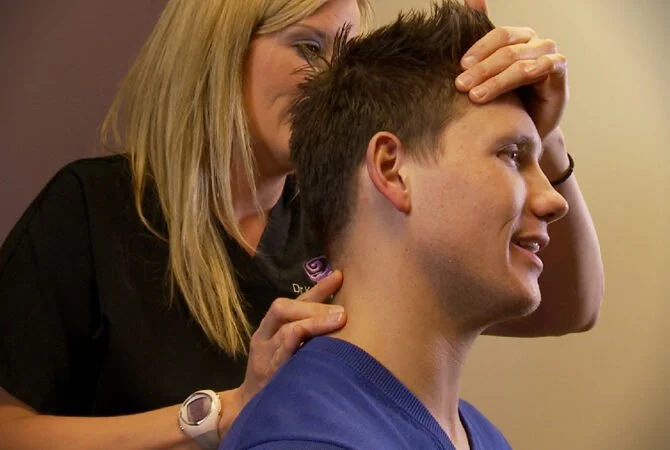
For many, chiropractic care is associated with physical relief, particularly in relation to back pain and joint mobility. However, the benefits of chiropractic care extend far beyond physical health, with a growing body of research showing a significant connection between spinal health and mental well-being. This article explores how chiropractic treatments can positively affect your mental health and improve emotional balance.
1.1 The Role of the Spine in Mental Health
Did you know that the spine plays a crucial role in your emotional and mental health? The spine houses the central nervous system, which regulates all bodily functions, including mood and emotional responses. When your spine is out of alignment, it can interfere with nerve function, leading to stress, anxiety, depression, and even sleep disturbances. Chiropractic care aims to restore the proper alignment of the spine, which can have a direct positive impact on mental health.
2. How Your Spine Affects Mental Health
The connection between your spine and mental health is rooted in the functioning of the nervous system. When the spine is misaligned, it can create tension, pressure, and interference in the communication between the brain and the rest of the body. This can contribute to a range of mental health issues, including:
2.1 Anxiety and Stress
Spinal misalignment can cause muscle tension, leading to physical discomfort that can trigger feelings of anxiety. Chiropractic care helps alleviate these physical tensions, which in turn can reduce stress and anxiety levels. Proper spinal alignment promotes better communication between the nervous system and the brain, helping the body to regulate stress more effectively.
2.2 Depression and Mood Disorders
Studies suggest that spinal health may be linked to mood regulation. A misaligned spine may hinder the flow of neurotransmitters, such as serotonin and dopamine, which are vital for regulating mood. Chiropractic adjustments can help restore the flow of these chemicals, potentially alleviating symptoms of depression and improving overall mood.
2.3 Sleep Problems
One of the most common side effects of spinal misalignment is poor sleep. When the body is in pain or under stress, it becomes difficult to relax and fall asleep. Chiropractic care helps promote relaxation and reduce the tension that can hinder restful sleep. By improving spinal health, many individuals experience better quality sleep, which has a direct positive effect on mental health.
3. The Benefits of Chiropractic Treatment for Mental Health
Chiropractic treatment offers numerous benefits for those struggling with mental health issues. Here are some of the key advantages:
3.1 Reduced Anxiety and Stress Levels
By addressing spinal misalignment, chiropractic adjustments help to ease the tension in the body that contributes to anxiety and stress. Regular chiropractic care can reduce the body's fight-or-flight response, helping individuals feel more relaxed and at ease.
3.2 Enhanced Mood and Emotional Balance
Chiropractic adjustments help restore balance to the central nervous system, which can improve the production and flow of mood-regulating chemicals. Many patients report feeling more emotionally stable and balanced after receiving chiropractic care.
3.3 Improved Sleep Patterns
Chiropractic care helps relax the muscles and relieve nerve tension, which can lead to improved sleep quality. Proper rest is essential for mental health, and chiropractic treatments can help individuals achieve better, more restful sleep, resulting in better mood and mental clarity.
3.4 A Holistic Approach to Mental Health
Unlike medication, chiropractic care takes a holistic approach to mental health, focusing on the root cause of issues by addressing spinal alignment and overall well-being. It offers a non-invasive, drug-free solution to mental health struggles and supports a more natural, balanced approach to emotional health.
4. Real-Life Example: Chiropractic Care for Mental Well-being
Consider the case of Sarah, a 34-year-old woman who struggled with chronic anxiety and stress for years. Despite trying various treatments, Sarah found little relief. After visiting a chiropractor, she learned that her spine was significantly misaligned. Following a series of chiropractic adjustments, Sarah noticed a substantial reduction in her anxiety levels. She was able to sleep better, felt more emotionally stable, and experienced a significant decrease in the physical tension she had been carrying. Her chiropractor's holistic approach helped her regain control over her mental and emotional well-being.
5. Explore Chiropractic Care with ChiroScope
If you're looking to improve your spine health and mental well-being, ChiroScope is here to help. Our range of chiropractic services is designed to address both physical and emotional health concerns, providing comprehensive care to improve your overall quality of life. Whether you're seeking pain relief or simply want to improve your mental health, our expert chiropractors are ready to guide you on your journey to better health.






 Dawson Spine & Sport5.0 (51 reviews)
 The Joint Chiropractic4.0 (154 reviews)
 Landi Family Chiropractic & Functional Health Coaching5.0 (16 reviews)
 Stretch Club5.0 (85 reviews)
 Cano Health & Rehab Clinics, P.A.4.0 (11 reviews)
 Graves Family Chiropractic5.0 (330 reviews)
 Best Chiropractic Treatments for Spinal Alignment According to Experts
 How to Relieve Spinal Alignment Without Medication – Chiropractor Approved Techniques
 Understanding How Chiropractors Treat Migraines: Effective Solutions
 The Science Behind Chiropractic Care for Effective Back Pain Relief
 Chiropractic for Better Sleep: How Adjustments Can Improve Your Sleep Quality
 Chiropractic Solutions for Managing Neck and Shoulder Pain | ChiroScope